

Healthcare costs continue to rise while preventable diseases claim millions of lives each year. The solution lies in shifting our focus from treating illness to preventing it. At Mosaic Medicine Clinic, we’ve seen how modern healthcare and preventative medicine together can transform patient outcomes. Regular screenings and proactive care catch problems early when treatment is most effective, least invasive, and far more affordable.
The evidence is clear: prevention saves both lives and money.
The Science Behind Preventive Care Power in Modern Healthcare
How Early Detection Saves Lives and Reduces Costs
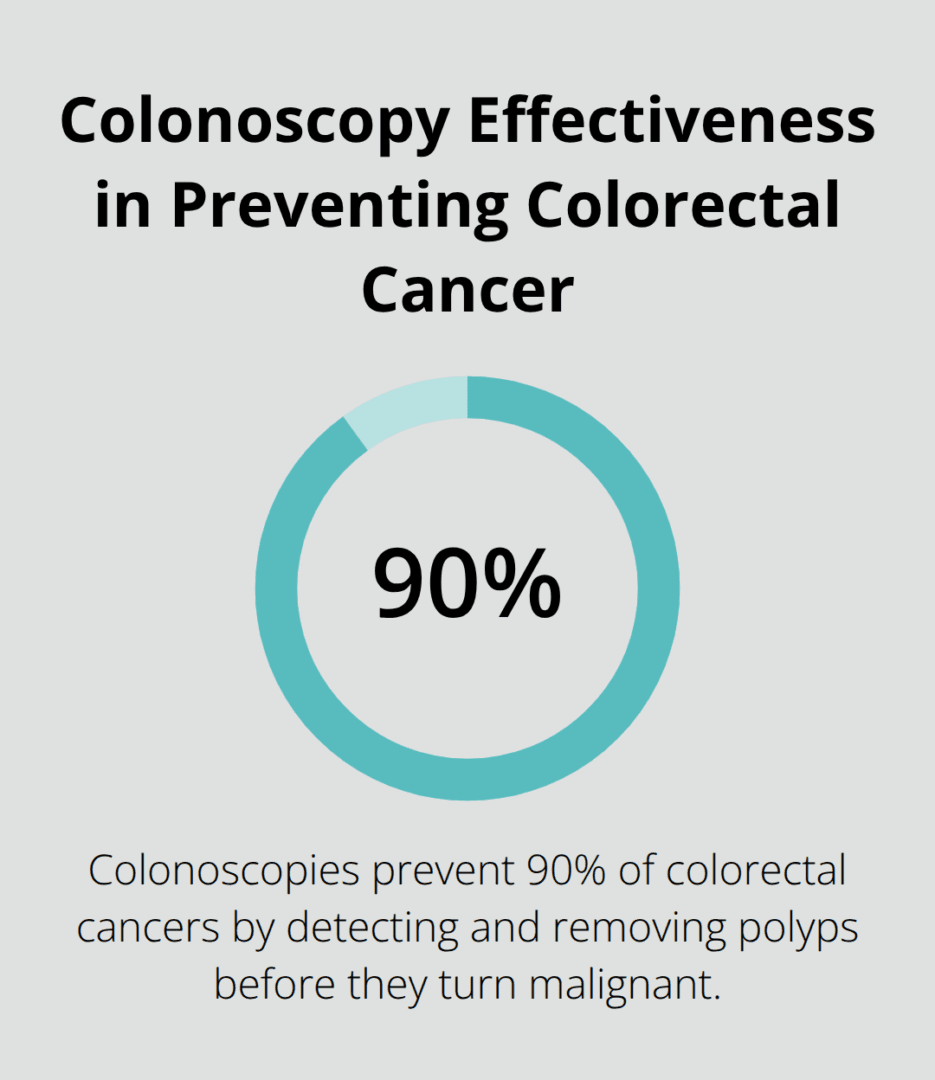
Research from Harvard Medical School shows that doctors catch cancer in stage one versus stage four and increase survival rates by 400 percent. The American Cancer Society reports that mammograms reduce breast cancer deaths when women receive regular screenings that start at age 40. Colonoscopies prevent 90 percent of colorectal cancers when doctors detect and remove polyps before they turn malignant.
Medicare data shows that doctors treat early-stage diabetes for $3,000 annually compared to $18,000 for advanced complications that require dialysis. Preventive care generates $7 in savings for every dollar invested according to the National Committee for Quality Assurance. Insurance companies now cover 100 percent of preventive services because actuarial data proves their cost-effectiveness.
Evidence-Based Guidelines That Drive Health Outcomes
The United States Preventive Services Task Force updates screening guidelines every five years based on extensive clinical trials. Their 2023 recommendations now include lung cancer screening for adults aged 50-80 with a 20-pack-year smoking history, which expands the eligible population by 6.4 million people.
Blood pressure checks every two years are part of routine care, helping catch hypertension early and supporting maintaining optimal health, and they prevent 70,000 heart attacks annually according to the CDC. These simple measurements cost less than $20 but save thousands in emergency interventions.
Advanced Biomarkers Transform Chronic Disease Detection
Modern biomarkers like high-sensitivity troponin detect heart damage 50 times smaller than traditional tests and identify at-risk patients years before symptoms appear. The CA-125 protein test combined with transvaginal ultrasound detects ovarian cancer with 94 percent accuracy when used in high-risk women.
Genetic tests for BRCA1 and BRCA2 mutations help 300,000 American women make informed decisions about preventive surgeries that reduce cancer risk by 95 percent. These tests cost $300-500 but provide life-changing information (compared to $100,000+ for cancer treatment).
Revolutionary Testing Technologies
Liquid biopsies can now detect circulating tumor DNA from multiple cancer types. The Galleri test identifies cancer signals in blood samples 18 months before traditional imaging shows tumors. Coronary calcium scoring predicts heart attack risk 10-15 years in advance with 90 percent accuracy, costs only $150 compared to $3,000 for cardiac catheterization.
These breakthrough technologies make prevention more precise and accessible than ever before. The next step involves understanding which specific screenings and services provide the greatest impact for different populations.
Key Preventive Care Services That Make a Difference
Essential Health Screenings by Age and Gender
Adults aged 40-65 require four critical preventive screenings that prevent the most deaths and disability. Blood pressure checks every year detect hypertension in Americans before stroke or heart attack strikes, though family history can change when these screenings should begin. The American Heart Association confirms that doctors who treat high blood pressure reduce stroke risk by 40 percent and heart attack risk by 25 percent.
Cholesterol tests every five years identify cardiovascular disease risk decades early, while diabetes tests with hemoglobin A1C every three years prevent the $18,000 annual costs of diabetic complications. Mammograms that start at age 40 reduce breast cancer deaths by 40 percent, according to American Cancer Society data. Colonoscopies every 10 years that begin at age 45 prevent 90 percent of colorectal cancers through polyp removal.
Adult Vaccinations Save More Lives Than Childhood Shots
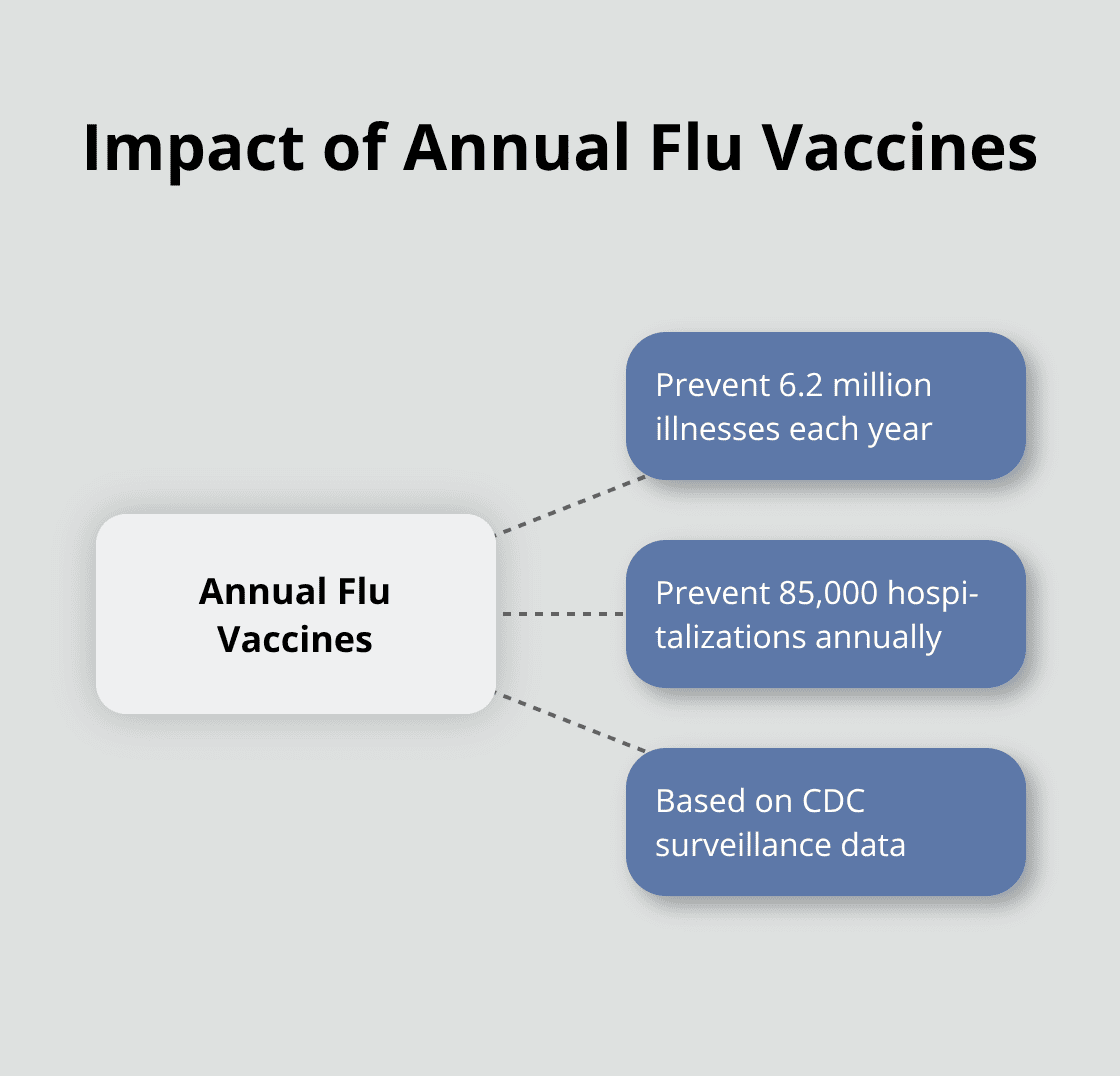
Annual flu immunizations, as part of preventive health, prevent 6.2 million illnesses and 85,000 hospitalizations each year based on CDC surveillance data. Adults over 60 need pneumonia vaccines that reduce infection rates by 75 percent and shingles vaccines that prevent the painful condition in 97 percent of recipients.
COVID-19 boosters remain vital with updated formulations that reduce severe illness by 90 percent in high-risk adults. Tdap boosters every 10 years prevent tetanus, diphtheria, and whooping cough that still kill 200 Americans annually (despite these diseases being completely preventable).
Risk Assessment Tools Predict Problems Years Ahead
The Framingham Risk Score calculates 10-year cardiovascular disease probability with age, cholesterol, blood pressure, and smoking status. Patients with scores above 20 percent need immediate intervention, while those with 7.5-20 percent scores benefit from preventive medications and tools that support a proactive approach to risk reduction.
Depression tests with PHQ-9 questionnaires identify mental health issues in 26 percent of adults and help flag potential health issues before they worsen, preventing suicide attempts that cost $1.3 million per case in medical expenses. Osteoporosis DEXA scans for women over 65 and men over 70 prevent 300,000 hip fractures annually that require $40,000 in treatment costs.
These proven services form the foundation of effective preventive care, yet many Americans still face significant obstacles that prevent them from accessing these life-saving interventions.
Overcoming Barriers to Preventive Care
Insurance Coverage Works Better Than Most People Think
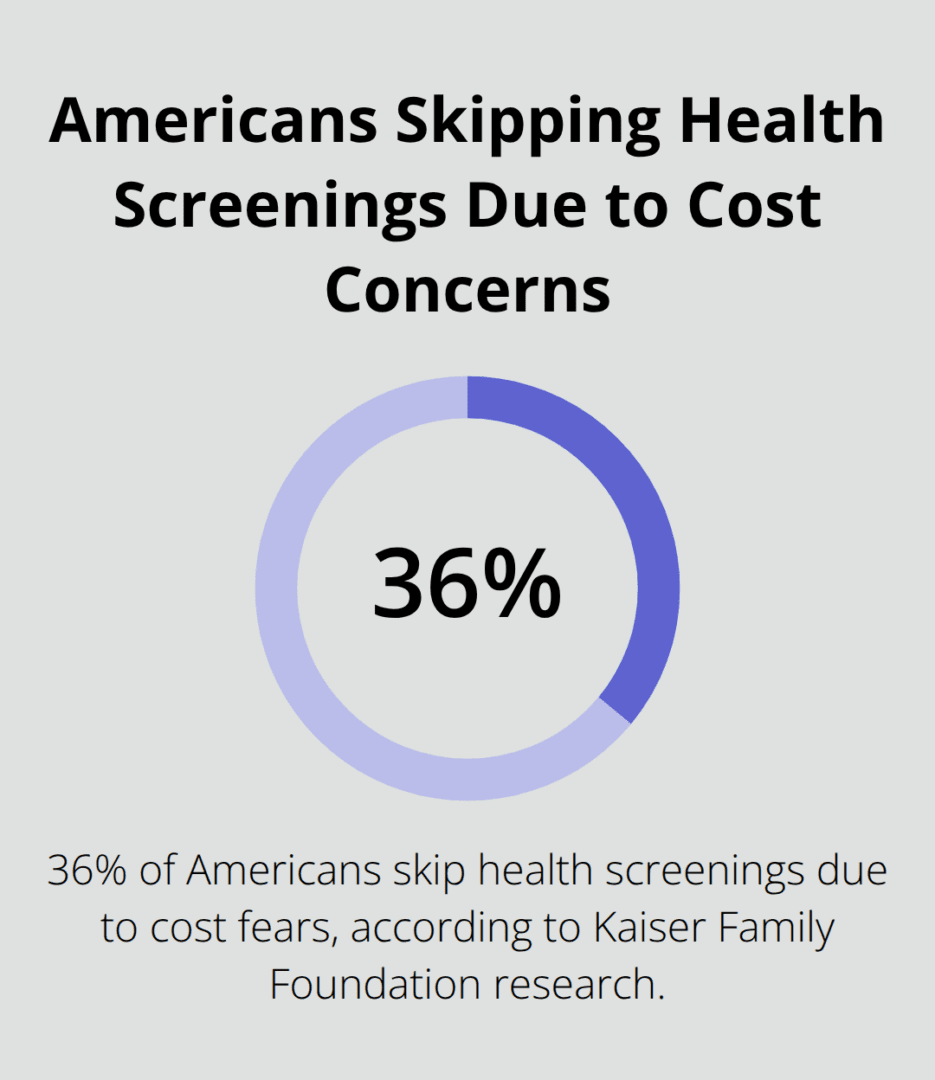
The Affordable Care Act requires all health insurance to include preventive coverage, and many health insurance plans must cover preventive services at zero cost, yet 36 percent of Americans still skip screenings due to cost fears according to Kaiser Family Foundation research. Medicare covers annual wellness visits, mammograms, colonoscopies, and flu shots as free preventive services without copays or deductibles. Medicaid patients receive free preventive care through the Early and Periodic Screening, Diagnostic and Treatment program that covers adults and children.
High-deductible health plans create confusion because patients assume all services require deductible payments. Preventive services remain free even with $5,000 deductibles as long as you stay in-network. Check your insurance card or call the member services number to verify which preventive services cost nothing out-of-pocket, and remember that some follow-up tests after an abnormal screening are considered diagnostic rather than considered preventive care.
Schedule Appointments Like Business Meetings
Americans spend significant time on social media but claim they lack time for 20-minute health appointments. The solution involves treating preventive care appointments like non-negotiable business meetings. Schedule your annual physical, mammogram, and colonoscopy on the same day each year as part of regular check ups, and request the first appointment slot at 7 AM when delays are least likely.
Telehealth visits now handle 38 percent of routine consultations according to McKinsey data, which makes them useful for personalized primary care and wellness services and eliminates travel time and waiting rooms. Many employers offer paid time off for preventive care appointments, yet only 23 percent of workers use this benefit. Request these appointments six months in advance to secure convenient time slots.
Direct Primary Care Eliminates Insurance Hassles
Traditional healthcare involves insurance paperwork, prior authorizations, and surprise bills that discourage preventive visits. Direct primary care practices charge monthly membership fees between $50-150 that include unlimited office visits, basic lab tests, and direct physician communication. This model removes insurance barriers, makes it easier to access health services, and provides predictable direct primary care costs.
Mosaic Medicine Clinic offers wholesale lab prices and at-cost imaging that often costs less than insurance copays at traditional practices. Our membership model allows patients to spend 30-60 minutes with physicians instead of rushed 15-minute appointments that miss important health issues, helping them manage chronic conditions through direct primary care.
Find the Right Healthcare Provider Match
Primary care healthcare providers who focus on prevention catch health problems 40 percent earlier than specialists who see patients after symptoms develop. Look for doctors who spend at least 20 minutes per appointment and offer same-day sick visits, and consider how to choose the best primary care membership plan to match your access needs. Board certification in family medicine or internal medicine indicates specialized training in preventive care protocols.
Ask potential providers about their approach to wellness visits and whether they follow evidence-based screening guidelines. The right provider helps patients take proactive steps through lifestyle modifications for maintaining health after 50. Physicians who use electronic health records send automated reminders for due screenings and track your health metrics over time (which improves care coordination by 60 percent according to HIMSS research), a support system central to promoting health.
Final Thoughts
Preventive medicine delivers measurable returns that extend far beyond individual health outcomes. The National Committee for Quality Assurance data shows every dollar invested in prevention generates seven dollars in healthcare savings, while early detection increases cancer survival rates by 400 percent compared to late-stage diagnosis. Americans who receive regular preventive care reduce their lifetime medical expenses by an average of $3,000 annually and gain 2.5 additional years of healthy life expectancy.
These numbers represent real families who avoid financial hardship from preventable medical emergencies. Action starts when you schedule your overdue screenings today. Contact your insurance provider to verify which preventive services cost nothing out-of-pocket, then book appointments for blood pressure checks, cancer screenings, and vaccinations appropriate for your age and risk factors.
The most successful patients build relationships with primary care physicians who prioritize prevention over reactive treatment. Practices that use a direct primary care model often grow by focusing on patient education and trust, illustrating how to market your direct primary care practice through transparent communication, unrushed appointments, and direct physician access without insurance barriers. Your health represents your most valuable asset, and preventive medicine protects that investment through evidence-based care that catches problems early when treatment works best and costs least (while you maintain control over your healthcare decisions).
