

A complete female health check is one of the most important investments you can make in your wellbeing. Yet many women skip regular screenings or don’t know what to expect when they arrive at their appointment.
At Mosaic Medicine Clinic, we believe that informed patients make better health decisions. This guide walks you through everything you need to know before, during, and after your visit.
Female Health Checkup: What Happens During Your Visit
The Initial Conversation, Medical History, and Physical Exam
Your provider starts by reviewing your medical records and asking detailed questions about your menstrual cycle, contraception, sexual health, and any symptoms you’ve noticed during a well woman visit or women’s health checkup. This conversation takes time-we don’t rush through it because your 30 to 90-minute visit happens because your doctor has time carved out specifically for you. Your provider may also ask broader questions about your overall health and reproductive health. Your vital signs get checked, including blood pressure. A clinical breast exam follows, where your provider checks for lumps or other changes. If you’re due for cervical cancer screening based on your age and risk factors, a pap smear or HPV test gets collected during a pelvic exam, and a pap smear helps detect abnormal cervical cells. For women ages 30 to 65, the most common approach involves an HPV test every five years or a Pap test every three years, per USPSTF recommendations. Your provider may also perform a skin check, especially if you have fair skin or a significant sun exposure history, to look for early signs of skin cancer.
Age-Specific Lab Work and Screening Tests
Lab work and screening tests are part of age-based health screenings that vary by age group and general health profile, and they often uncover common female health issues such as hormonal, reproductive, and thyroid disorders. Women starting at age 45 should have cholesterol screening every five years if results are normal, with a cholesterol test included as part of regular monitoring, though those with risk factors like diabetes or family history need earlier and more frequent testing. Blood sugar screening begins at age 35 for women who are overweight, using blood glucose measurement, with repeat testing every three years. Routine blood tests can also help flag chronic diseases before symptoms appear. If you have a 20-pack-year smoking history and currently smoke or quit within the past 15 years, annual lung cancer screening with low-dose CT scans applies per USPSTF guidelines. Bone density screening isn’t routine until age 50, but women with risk factors like long-term steroid use, smoking, or family history should discuss whether they need earlier screening.
Vaccines, Preventive Care, and Preventive Medications
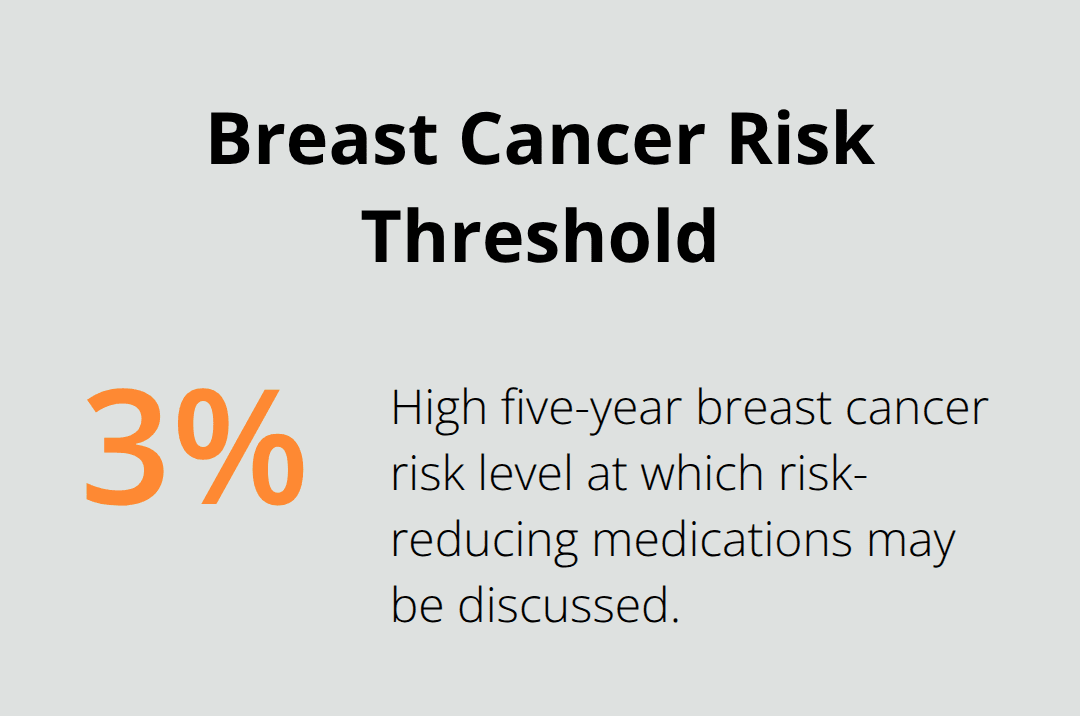
Your provider will talk about vaccines-the annual flu shot, COVID-19 boosters as advised, and the two-dose shingles vaccine starting at age 50, including protection against virus infection as part of preventive care. This is also the visit to review health care steps that help you stay healthy over time. This visit also offers a chance to ask about preventive medications. For women at high five-year breast cancer risk (around 3%), medications that reduce risk can be discussed based on your individual situation and uterine status.
The entire appointment creates a baseline for your health and identifies which screenings you need going forward, setting the stage for what comes next in your preventive care plan.
Key Screenings That Shape Your Health Outcomes
Breast Cancer Screening and Your Risk Profile
Breast cancer screening typically starts at age 40 for average-risk women in this age group, with mammography repeated every one to two years based on individual risk factors and preferences as part of broader women’s health planning, according to the American Cancer Society and USPSTF. If you have a family history of breast cancer or carry high-risk genes like BRCA1 or BRCA2, your provider may recommend earlier screening or adding MRI screening alongside mammography because you have an increased risk for better detection. Clinical breast exams during your annual visit complement mammography and help your provider track changes over time.
Cervical Cancer Screening: What Changed and Why
Cervical cancer screening has shifted significantly over the past decade. Women ages 30 to 65 should undergo HPV testing every five years, which catches precancerous changes more effectively than a pap smear alone. That pap smear helps detect abnormal cervical cells and supports cervical screening. If you’re between 21 and 29, a Pap test every three years remains standard. After a total hysterectomy performed for non-cancer reasons, you can stop cervical cancer screening entirely. Many women don’t realize this and continue unnecessary testing. Your provider will clarify which approach applies to your situation based on your medical history.
Cardiovascular and Bone Health Assessments
Cardiovascular health screening starts with assessing your risk for cardiovascular disease, including cholesterol panels at age 45 for women without risk factors, or age 20 if you have diabetes, high blood pressure, or a family history of heart disease. USPSTF recommends repeating this cholesterol test every five years if your results are normal, but more frequently if you’ve made lifestyle changes or developed new conditions. Blood pressure deserves equal attention-check it at least once yearly, and if your readings fall into 120-129 systolic over 70-79 diastolic, discuss with your provider whether home monitoring or lifestyle modifications make sense, since abnormal numbers can signal increased risk for cardiovascular disease and other chronic conditions.
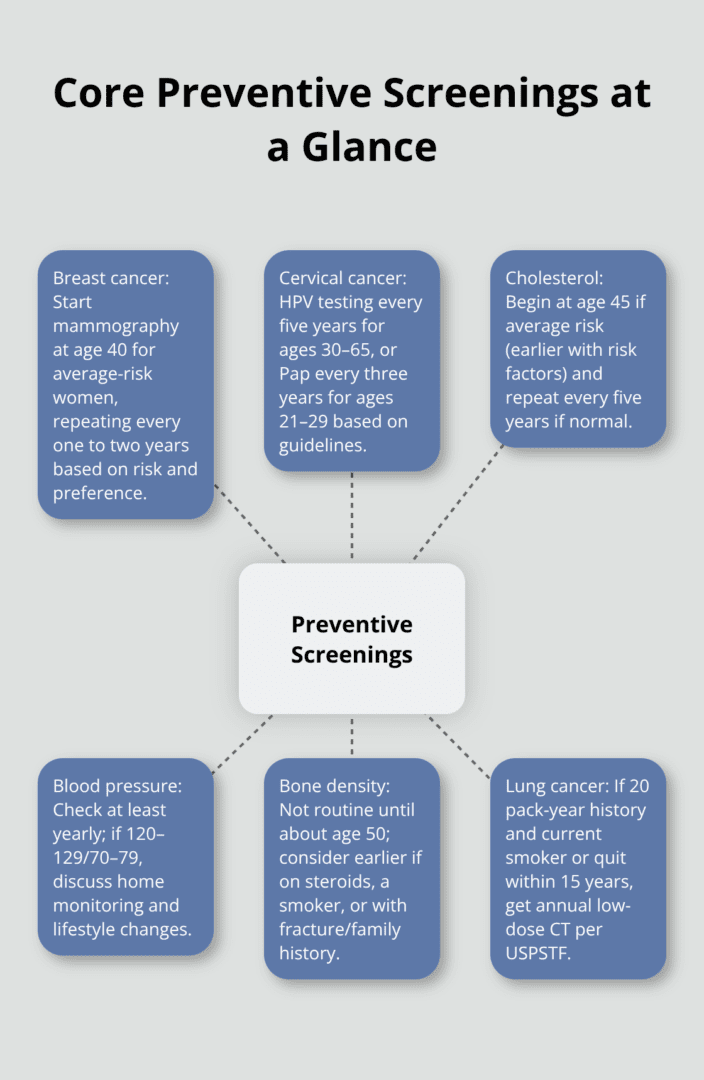
Bone density screening isn’t universally recommended until age 50, but women on long-term steroids, those with a history of fractures, smokers, or those with a family history of osteoporosis should talk with their provider about earlier testing, especially if they are starting or adjusting women’s fitness programs that emphasize strength and bone health.
Personalizing Your Screening Plan
Screening isn’t one-size-fits-all. Your age group, family history, current health status, lifestyle habits, and other risk factors all determine which regular screenings you need and how often. At your appointment, ask your provider explicitly which screenings apply to you during annual visits and regular checkups, and when your next screening is due, then write it down so you don’t miss it. This clarity prevents gaps in your preventive care and helps you stay on track with the screenings that matter most for your health profile. Once you understand your screening timeline, preparing for your appointment becomes straightforward-and that preparation makes all the difference in getting the most from your visit and supporting lifelong wellness.
How to Prepare for Your Complete Female Health Check
Gather Your Medical Records Early
Preparation makes the difference between a rushed appointment and one where your provider actually addresses your concerns. Start by collecting your medical records at least one week before your visit to support a more complete review of your general health. Request records from your previous provider if you haven’t seen them in several years, especially if you’ve moved or switched clinics. Include any imaging reports, lab results, prior blood tests if available, pathology findings, and notes about abnormal Pap tests or cervical procedures. If you’ve had a hysterectomy, bring documentation of whether it was total or partial and whether your cervix was removed-this determines whether you still need cervical cancer screening, and past results may also show kidney problems or other issues worth following up.
Write down the date of your last menstrual period and describe your typical cycle length, flow, and any pain or spotting patterns. Women often underestimate how much detail matters here. Your provider needs this information to decide whether certain screenings apply to you, to help guide reproductive health decisions, and to spot trends that could signal underlying conditions such as thyroid issues that affect energy, mood, and reproductive health.
Document Your Medications and Supplements
Create a complete medication and supplement list before arriving. Include prescription medications, over-the-counter pain relievers, vitamins, herbal supplements, and even occasional medications you take for headaches or sleep issues. Many women don’t realize that certain supplements interact with screenings or affect lab results, particularly when working within an integrative medicine approach that combines conventional and natural therapies. For example, some herbal products can interfere with blood clotting tests, and certain vitamins may skew cholesterol readings. Some medications and supplements can also affect thyroid function tests. Bring the actual bottles if you can, or photograph the labels with dosages visible.
Schedule at the Optimal Time in Your Cycle
Timing your appointment matters significantly, not only for physical exams but also for recognizing how hormonal shifts can influence female mental health and overall wellbeing. Schedule your visit during the week after your period ends but before ovulation occurs, roughly days 7 to 21 of your cycle. This timing prevents discomfort during the pelvic exam and ensures your cervix isn’t inflamed from menstrual flow, which could affect Pap test accuracy.
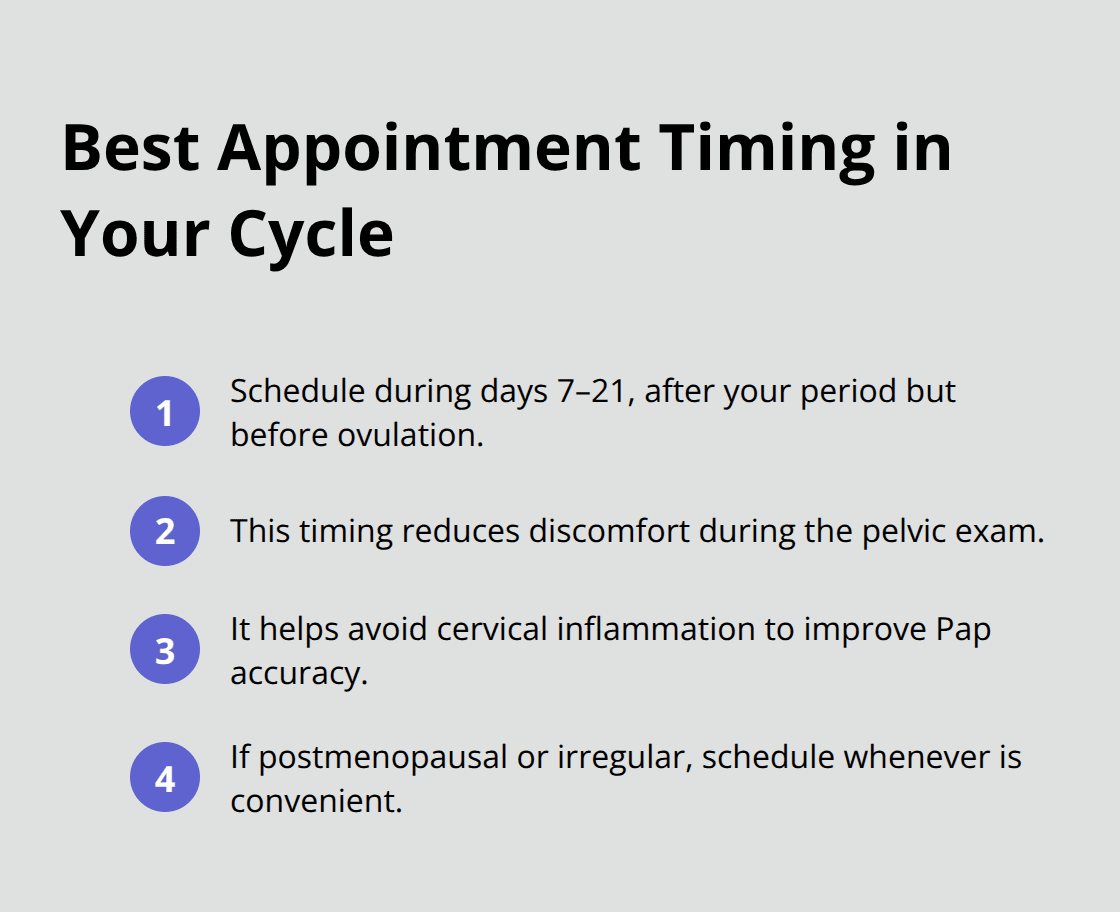
If you’re postmenopausal or have an irregular cycle, any time works fine. Avoid scheduling right before or during your period unless you have specific concerns to address that day.
Prepare Your Questions in Advance
Write down three to five women’s health questions or concerns you want to discuss before you arrive. Women often leave appointments realizing they forgot to mention something important, even though thoughtful questions are a key part of prevention-focused modern healthcare. Ask about sexually transmitted infection screening if you are sexually active, and about testing needs for pregnant women if pregnancy is relevant. Bring this list to your appointment and check off items as you discuss them. This simple step ensures you get the most from your time and prevents gaps in your care that might delay diagnosis or screening.
Final Thoughts
Regular checkups and health screenings help detect early signs of silent conditions before they become serious. Many conditions like high blood pressure, high cholesterol, and prediabetes show no symptoms in their early stages, which means you could have them without knowing. A complete female health check screens for these silent threats and gives you the chance to address them when treatment is most effective. Early detection transforms outcomes, finding cervical cancer precursors through screening prevents the disease entirely, and catching breast cancer, colon cancer, or other serious diseases early dramatically improves treatment success compared to later detection.
Beyond screening, preventive care saves you from unnecessary suffering and expense down the road and helps address the systemic gaps that show why female health matters more than ever. Vaccinations protect you from diseases like shingles and flu. Lifestyle counseling during your visit helps you make informed choices about diet, exercise, and stress management that reduce your risk of heart disease, diabetes, and other chronic conditions, while care may also address sexually transmitted diseases and hepatitis b when appropriate—principles that apply equally when planning age-appropriate health strategies for men over 50.
Your provider tracks your overall health through regular monitoring over time and notices patterns that signal emerging problems. When your doctor knows your medical history, your family patterns, and your personal health goals, they tailor recommendations specifically to you rather than applying generic guidelines. We at Mosaic Medicine Clinic believe that preventive care forms the foundation of good health, and our membership-based Direct Primary Care model gives you unrushed appointments, direct access to your physician, and care informed by special training in women’s health, with transparent, subscription-based costs for your primary care. Visit Mosaic Medicine Clinic to learn more about building your personalized preventive care plan.