Pregnancy brings significant changes to your body, including shifts in thyroid health function that can impact both maternal wellness and baby’s development. These hormonal fluctuations affect how your thyroid produces and regulates hormones.
At Mosaic Medicine Clinic, we see many women struggle to recognize thyroid symptoms during pregnancy since they often overlap with normal pregnancy changes. Proper thyroid management becomes essential for a healthy pregnancy outcome.
Understanding Thyroid Changes During Pregnancy
How Pregnancy Hormones Affect Thyroid Function
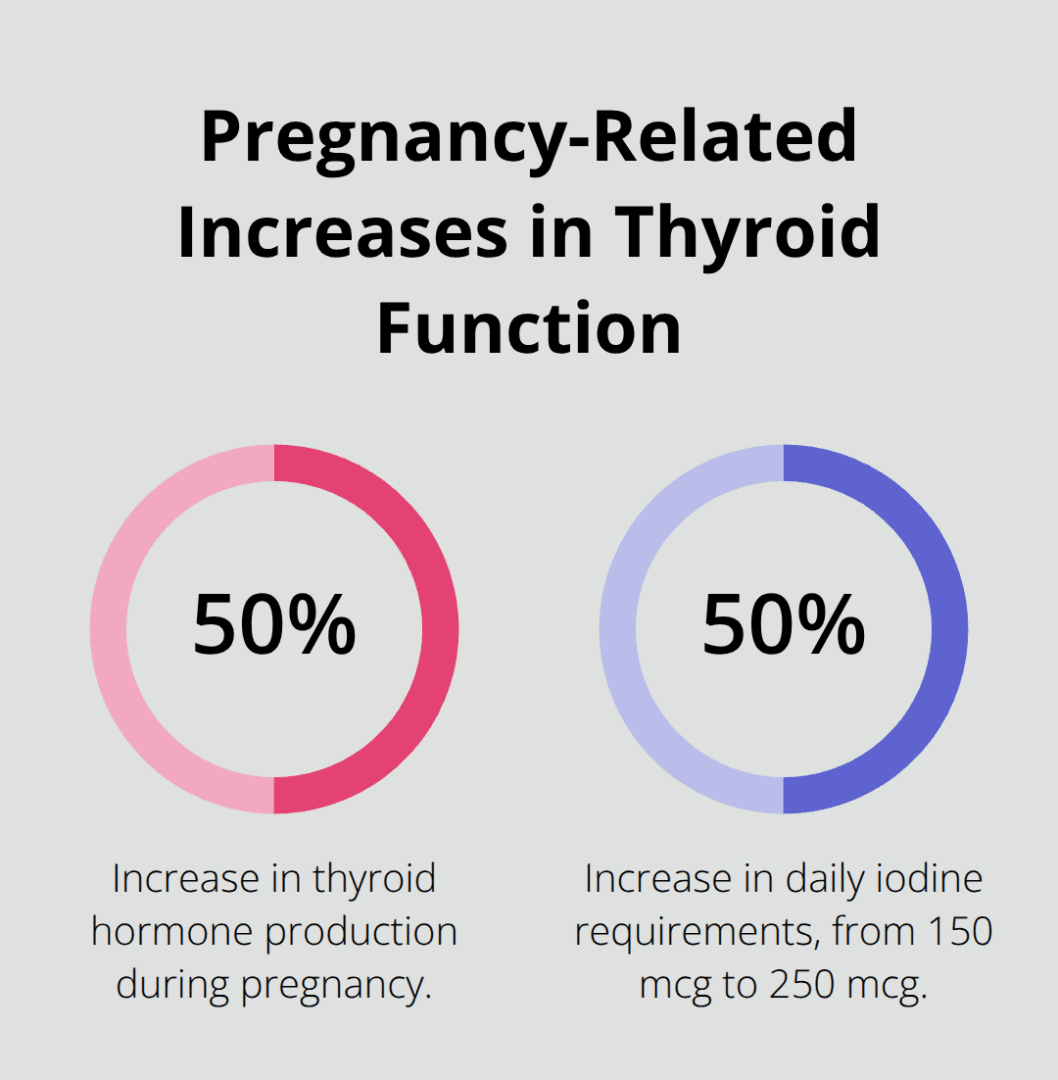
Pregnancy increases thyroid hormone production by approximately 50%, which creates significant changes in how your body processes these essential hormones. Human chorionic gonadotropin (hCG) levels rise dramatically during the first trimester and often cause TSH levels to drop temporarily. Estrogen elevates thyroid hormone binding proteins, which raises total thyroid hormone levels while it maintains normal free hormone levels.
Your iodine requirements jump to 250 micrograms daily during pregnancy-a 50% increase from pre-pregnancy needs according to the World Health Organization. This increased demand stems from your body’s need to produce more thyroid hormones for both you and your developing baby. The American Thyroid Association recommends daily iodine supplements of 150 mcg for pregnant women to meet these heightened requirements.
Common Thyroid Disorders in Pregnant Women
Hypothyroidism affects 2% to 3% of pregnant women with subclinical cases, while overt hypothyroidism occurs in 0.3% to 0.5% of pregnancies. Women with positive thyroid peroxidase antibodies face increased risk of developing hypothyroidism during pregnancy. An estimated 2.5% of pregnant women will have TSH levels greater than 6 mIU/L, with 0.4% exceeding 10 mIU/L.
Hyperthyroidism complicates 0.1% to 0.4% of pregnancies, with Graves disease and gestational thyrotoxicosis as primary causes. Gestational thyrotoxicosis typically resolves after the first trimester when hCG levels decline, unlike Graves disease which requires ongoing management throughout pregnancy.
Risks of Untreated Thyroid Issues for Mother and Baby
Untreated hypothyroidism leads to preeclampsia, preterm labor, low birth weight, and cognitive impairment in children. Maternal thyroid hormone proves essential for fetal brain development, particularly during the first trimester when babies cannot produce their own thyroid hormones. Uncontrolled hyperthyroidism increases risks of miscarriage, preeclampsia, preterm birth, heart failure, and intrauterine growth restriction.
These complications make early detection and proper management vital for both maternal and fetal health. Understanding how hormonal changes during pregnancy affect thyroid function helps women recognize when medical intervention becomes necessary. The next step involves learning to recognize thyroid symptoms that may appear during pregnancy.
Recognizing Thyroid Symptoms During Pregnancy
Signs of Hyperthyroidism in Pregnant Women
Hyperthyroidism symptoms during pregnancy include rapid heartbeat above 100 beats per minute, excessive sweating even in cool temperatures, unexplained weight loss despite increased appetite, severe anxiety, hand tremors, and heat intolerance. The American Thyroid Association reports these symptoms affect 0.1% to 0.4% of pregnancies. Palpitations often worsen during the second trimester when blood volume increases by 40%.
Women who experience weight loss that exceeds two pounds per week or persistent heart rates above 120 beats per minute need immediate medical evaluation. Heat intolerance becomes particularly noticeable when pregnant women require air conditioning while others feel comfortable at normal temperatures.
Hypothyroidism Warning Signs
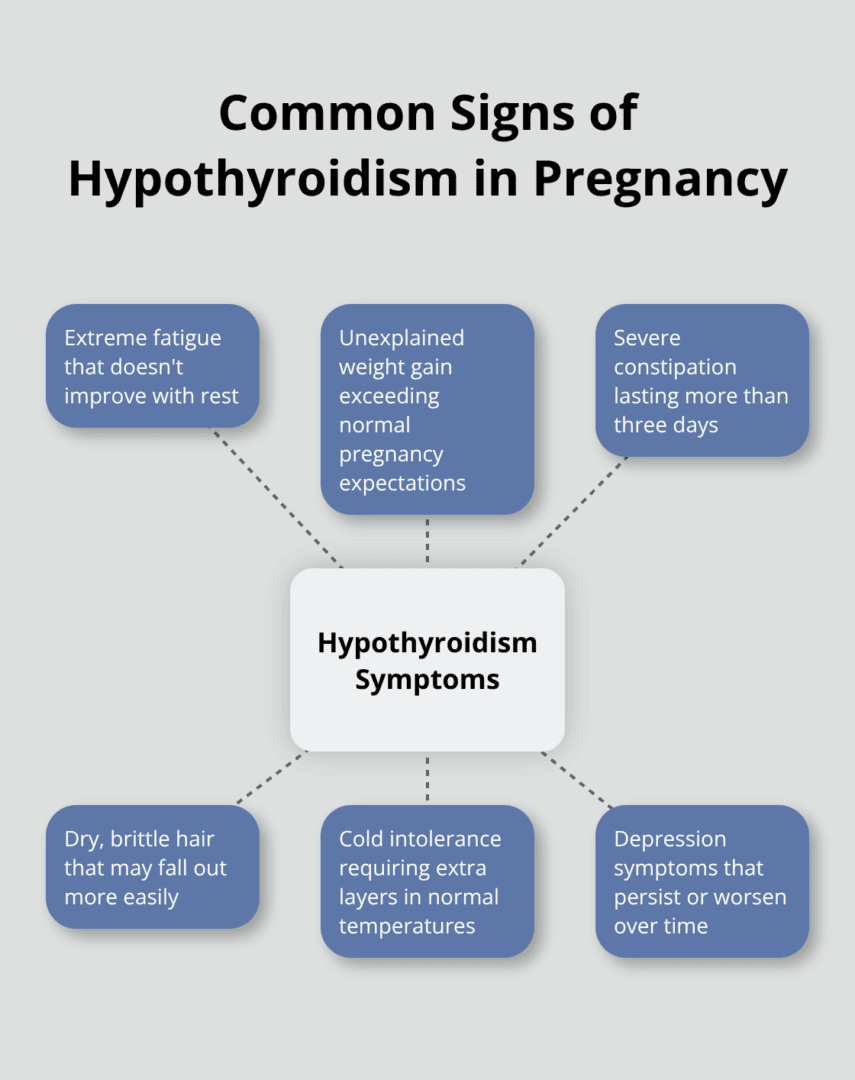
Hypothyroidism presents as extreme fatigue that doesn’t improve with rest, unexplained weight gain that exceeds normal pregnancy expectations, severe constipation that lasts more than three days, dry brittle hair, cold intolerance that requires extra layers in normal temperatures, and depression symptoms. Studies show 2% to 3% of pregnant women develop subclinical hypothyroidism.
Morning heart rates below 60 beats per minute combined with persistent fatigue signal potential thyroid dysfunction. Women with thyroid peroxidase antibodies face higher risk of developing hypothyroidism during pregnancy, particularly those with autoimmune conditions that affect women of reproductive age.
When Normal Pregnancy Masks Thyroid Problems
Many thyroid symptoms overlap with typical pregnancy changes, which creates diagnostic challenges for healthcare providers. Fatigue affects 90% of pregnant women during the first trimester, which makes hypothyroidism-related exhaustion difficult to identify. Weight changes, mood swings, and temperature sensitivity occur normally during pregnancy.
The key difference lies in severity and persistence rather than the presence of symptoms alone. Thyroid-related symptoms intensify rather than improve as pregnancy progresses, unlike normal pregnancy discomforts that often stabilize after the first trimester. Women should track symptom patterns and report persistent issues that last more than two weeks to healthcare providers for proper thyroid function tests (TSH and free T4 levels).
Proper symptom recognition leads directly to effective management strategies that can protect both maternal and fetal health throughout pregnancy.
Managing Thyroid Health Throughout Pregnancy
Safe Medication Options During Pregnancy
Levothyroxine remains the gold standard treatment for hypothyroidism during pregnancy and requires immediate dosage increases upon pregnancy confirmation. The American Thyroid Association recommends that women increase levothyroxine doses by 20%–30% as soon as pregnancy tests turn positive. Women typically need dosage adjustments every four weeks during the first half of pregnancy to maintain TSH levels below 2.5 mU/L in the first trimester.
Healthcare providers advise patients to take levothyroxine on an empty stomach, at least four hours before they consume calcium-rich foods or prenatal vitamins that contain iron. These substances can interfere with absorption and reduce medication effectiveness.
Antithyroid Medication Management
Propylthiouracil serves as the preferred antithyroid medication during the first trimester due to lower risks of birth defects compared to methimazole. The American Thyroid Association recommends that women transition from propylthiouracil to methimazole after the first trimester to reduce liver toxicity risks.
Treatment goals focus on the maintenance of subclinical hyperthyroid states rather than normal thyroid levels. This approach minimizes medication exposure while it prevents maternal complications. TSH receptor antibody tests become essential for women with Graves disease history to assess fetal hyperthyroidism risks.
Monitoring and Testing Schedule Recommendations
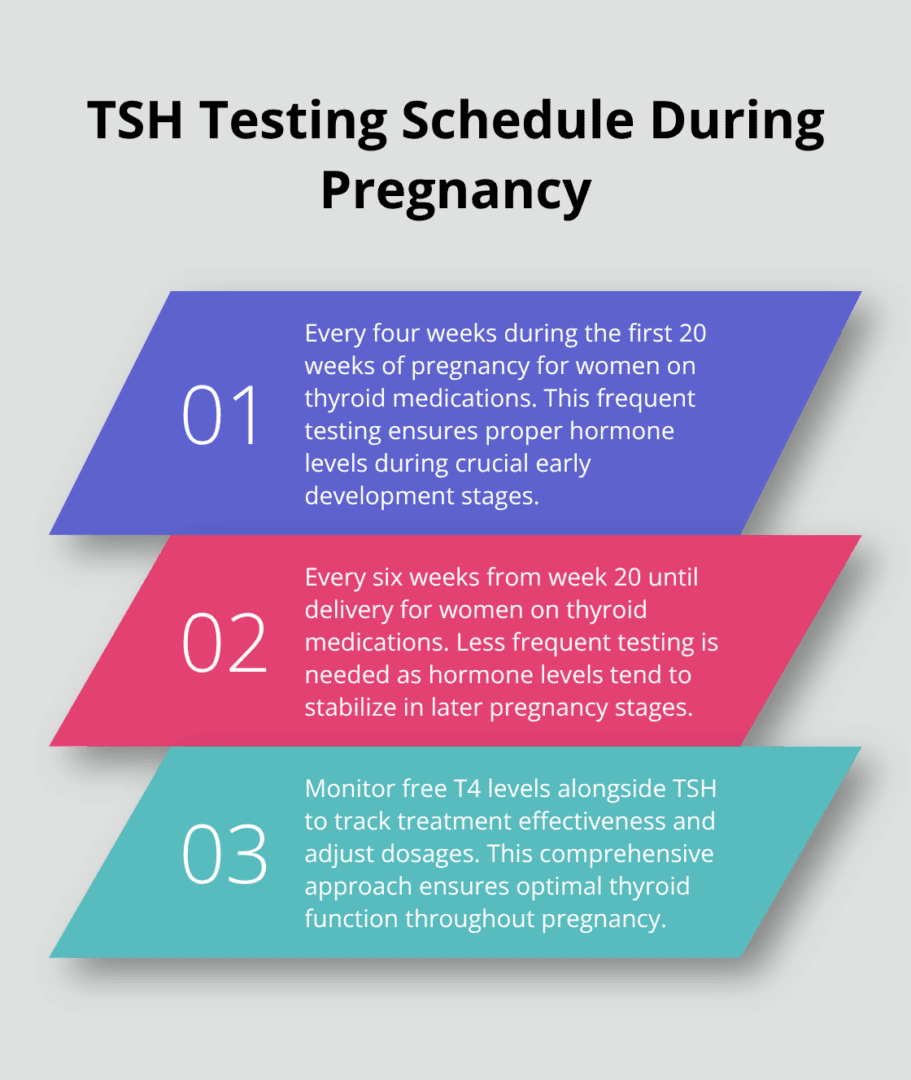
TSH tests should occur every four weeks during the first 20 weeks of pregnancy, then every six weeks until delivery for women on thyroid medications. Healthcare providers monitor free T4 levels alongside TSH to track treatment effectiveness and adjust dosages appropriately.
Women must discontinue biotin supplements two days before thyroid blood tests to prevent false results that could lead to incorrect medication adjustments. Iron and calcium supplements should be taken at least four hours apart from thyroid medications to avoid absorption interference.
Lifestyle Changes to Support Thyroid Function
Iodine is essential for the production of maternal and fetal thyroid hormones that regulate the development of the fetal brain and nervous system. Most American women require supplementation of 150 micrograms daily according to the American Thyroid Association to meet these elevated requirements.
A balanced diet rich in fruits, vegetables, whole grains, and lean proteins supports optimal thyroid function during pregnancy. Women should avoid excessive kelp and seaweed products, which contain high iodine levels that may interfere with thyroid health. Stress management techniques and adequate sleep help maintain hormone balance throughout pregnancy.
Final Thoughts
Thyroid health pregnancy management demands immediate action and consistent medical oversight. Women must adjust medications upon pregnancy confirmation, with levothyroxine doses typically increasing by 20% to 30%. Regular TSH monitoring every four weeks during the first half of pregnancy helps healthcare providers optimize treatment and prevent complications that affect both maternal wellness and fetal development.
The complexity of thyroid management during pregnancy makes professional guidance essential. Hormones fluctuate significantly throughout pregnancy (requiring careful balance between medication effectiveness and safety). Women with pre-existing thyroid conditions face higher risks and need specialized care to navigate these challenges successfully.
We at Mosaic Medicine Clinic provide comprehensive thyroid management through our Direct Primary Care model with personalized attention. Our approach focuses on strong patient-doctor relationships that support women through pregnancy’s unique thyroid challenges. Early intervention, consistent monitoring, and personalized treatment plans create the foundation for healthy pregnancy outcomes when thyroid disorders complicate this important time.