
Most people know shockwave therapy for treating erectile dysfunction, including specialized options like GAINSWave therapy for men’s sexual health, but the shockwave benefits extend far beyond this single application.
At Mosaic Medicine Clinic, we’ve seen patients experience remarkable improvements in chronic pain conditions, wound healing, and circulation issues through this FDA-approved treatment.
This non-invasive therapy uses acoustic waves to stimulate healing at the cellular level, offering hope for conditions that traditional treatments often struggle to address.
How Does Acoustic Wave Therapy (Shockwave Therapy) Actually Work
The Science Behind Extracorporeal Shock Wave Therapy
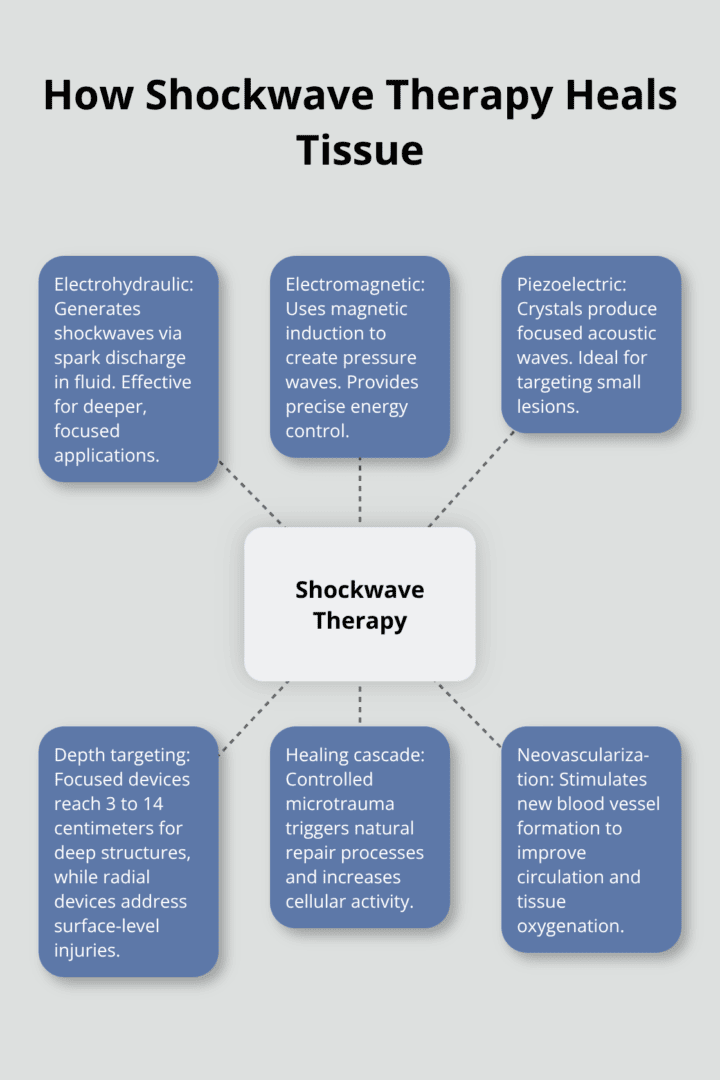
Extracorporeal shockwave therapy delivers high-energy acoustic waves directly to injured tissue through three distinct mechanisms: electrohydraulic, electromagnetic, and piezoelectric systems. These waves penetrate tissue depths of 3 to 14 centimeters (depending on the device type), with focused shockwave devices reaching deeper tissues while radial shockwave targets surface-level injuries. The acoustic energy creates controlled microtrauma, helping with improving blood flow, stimulating blood vessel formation, and increasing cellular activity as the waves act on the affected area and trigger the body’s natural healing process.
FDA Approval and Clinical Evidence
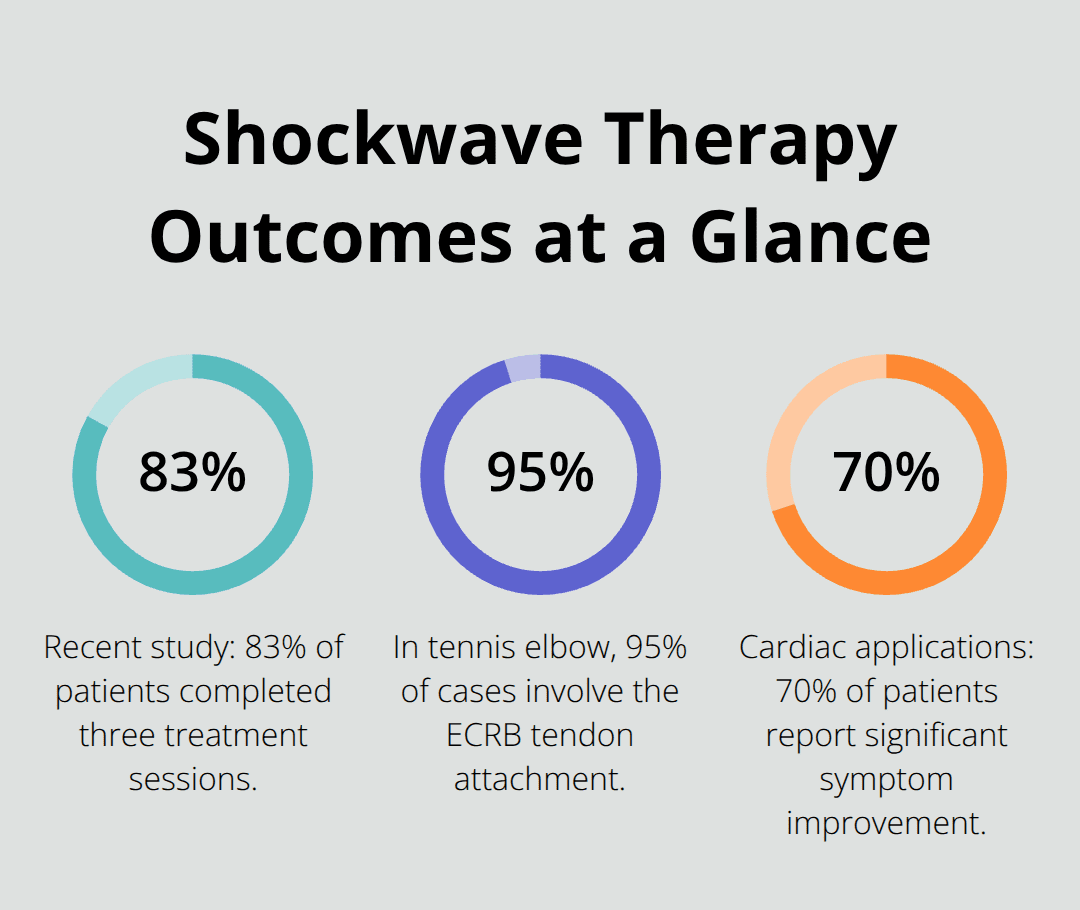
The FDA approved shockwave therapy—also called extracorporeal shock wave therapy—as an FDA-cleared treatment for plantar fasciitis in 2000 and lateral epicondylitis in 2002, which established its safety profile for key orthopedic conditions. Clinical studies report success rates between 65% and 91% for treating chronic conditions like plantar fasciitis and tennis elbow, with complications considered negligible according to multiple research analyses. A recent study involving 384 patients showed 83% completed three treatment sessions with pain scores that dropped from 2.80 to 0.18 for rotator cuff issues, and the therapy has been used in Europe for over 20 years.
Treatment Process and Session Requirements
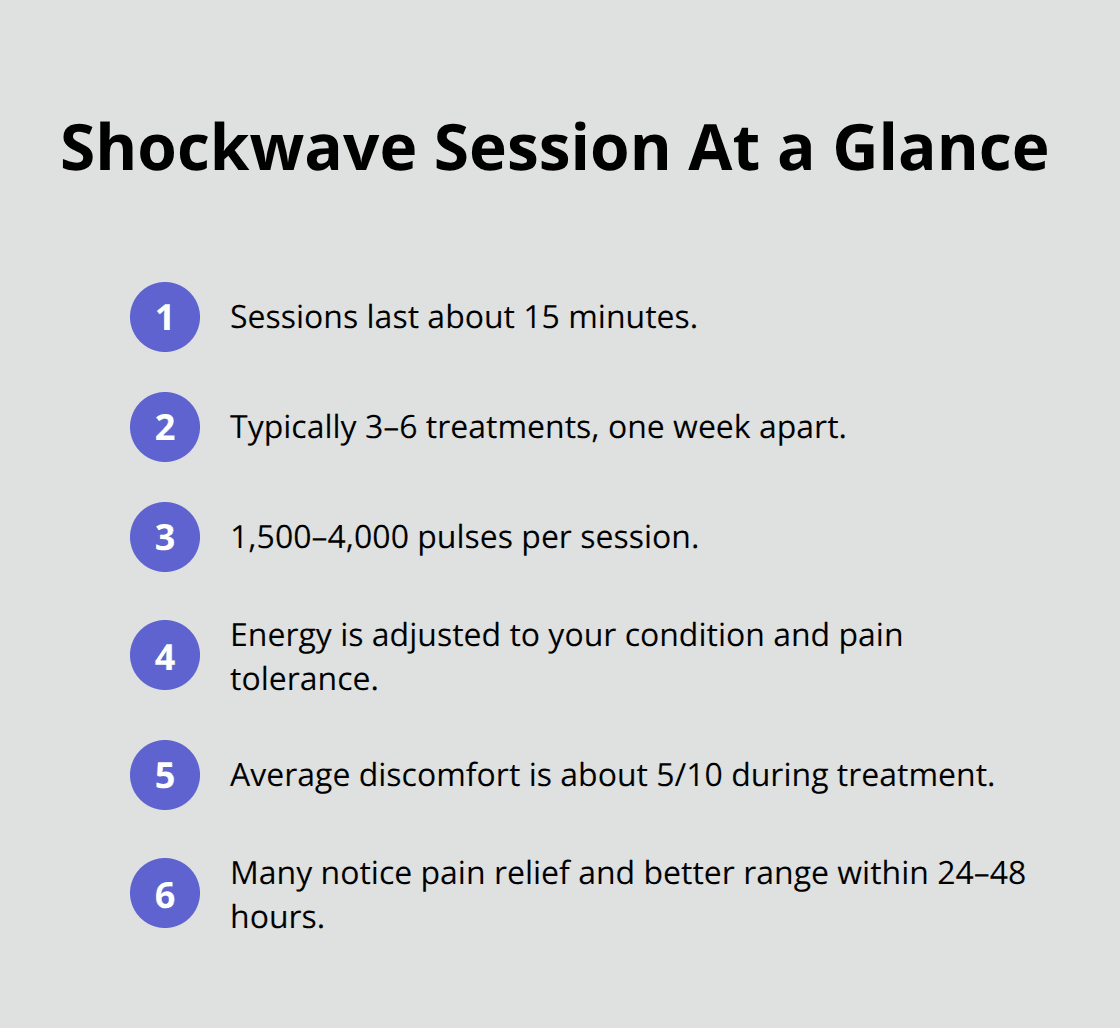
Each shockwave session lasts approximately 15 minutes, though acoustic wave therapy sessions typically range from 10 to 30 minutes, with patients who typically require three to six treatments spaced one week apart. The treatment involves applying conductive gel to the skin before a wand like device delivers sound waves over the treatment area in a non invasive, needle free procedure. Treatment intensity ranges from 1,500 to 4,000 pulses per session at energy levels that a healthcare provider adjusts based on your specific needs. Most patients rate discomfort at 5 out of 10 during treatment, with immediate pain reduction and improved range of motion that often occurs within 24 to 48 hours after the first session.
These proven mechanisms and treatment protocols make shockwave therapy particularly effective for chronic pain conditions that resist traditional treatments.
Which Chronic Pain Conditions Respond Best to Shockwave Therapy
Plantar Fasciitis and Heel Pain Solutions
Plantar fasciitis strikes millions of Americans annually, with traditional treatments that fail 10% of patients according to the American Podiatric Medical Association. Shockwave therapy attacks this stubborn condition when practitioners deliver 2,000 to 4,000 acoustic pulses to the heel insertion point, which breaks down scar tissue that restricts normal foot function. Research shows effective treatment for chronic plantar fasciitis cases, with patients who experience significant pain reduction within three treatments.
The therapy works particularly well for heel spurs and morning stiffness that characterizes this condition, often eliminating the need for steroid injections or surgery. Patients report dramatic improvements in their first steps out of bed (the classic plantar fasciitis symptom) within weeks of treatment completion.
Tennis Elbow and Shoulder Tendon Recovery
Tennis elbow affects 1-3% of the population, with 95% of cases that involve the extensor carpi radialis brevis tendon attachment. Shockwave therapy delivers focused energy to this specific insertion point, and awt works partly through biological effects that help treat injured tissues by stimulating new blood vessel formation and collagen production. Clinical data demonstrates pain relief, with scores that drop from 7.2 to 2.1 on a 10-point scale after standard three-session protocols. It can also reduce pain perception by desensitizing nerve endings.
Shoulder impingement syndrome responds equally well, with rotator cuff tendinopathy that shows mean pain reductions from 2.80 to 0.18 post-treatment according to recent studies. It is also used for myofascial pain and trigger points around the shoulder. Athletes typically return to full activity within 4-6 weeks, compared to 12-16 weeks with conventional physical therapy alone.
Accelerated Healing for Sports Injuries
Professional athletes often use shockwave therapy in sports medicine as part of a combination with physical therapy to promote recovery by accelerating tissue repair through increased blood flow and cellular activity at injury sites. This sound wave therapy specifically targets calcific deposits and adhesions that limit shoulder mobility, making it a strong treatment option that may help some athletes avoid more invasive procedures. Sports medicine clinics report that patients resume normal activities within 24 to 48 hours after their first treatment session.
Treating tendinopathies and soft tissue injuries that resist conventional treatment respond particularly well to this approach. The acoustic waves create controlled microtrauma that triggers your body’s natural healing cascade, leading to stronger tissue formation and reduced re-injury rates.
These remarkable pain management results represent just one aspect of shockwave therapy’s therapeutic potential, as the same mechanisms that heal chronic injuries also promote healing in other surprising areas of medicine.
Can Shockwave Therapy Heal Heart Conditions and Diabetic Wounds
Revolutionary Cardiac Applications Transform Heart Treatment
Cardiac shockwave therapy targets ischemic heart tissue with focused acoustic waves that stimulate new blood vessel formation in areas where coronary arteries cannot deliver adequate oxygen. In some protocols, acoustic wave therapy uses a slower impulse rate than shock wave therapy. European studies demonstrate that cardiac patients who receive five weekly shockwave sessions show measurable improvements in exercise tolerance and reduced angina symptoms within three months.
The therapy works through angiogenesis, which creates new blood vessels and collateral pathways that improve blood circulation and support healing throughout the body. Cardiologists report that 70% of patients experience significant symptom improvement, with some who avoid bypass surgery entirely. This application represents a paradigm shift from treating blocked arteries with stents to actually growing new blood supply networks.
Diabetic Wound Healing Accelerates With Acoustic Wave Treatment
Diabetic foot ulcers affect 19% to 34% of diabetic patients during their lifetime, with traditional wound care failing to heal 30% of cases according to the American Diabetes Association. As a treatment option, shockwave therapy falls under wave therapy for chronic wounds and delivers 1,000 to 2,000 pulses directly to wound edges, generally well tolerated while helping treat the affected area by stimulating tissue repair and local circulation.
Clinical trials show chronic diabetic ulcers that heal completely within 12 weeks of weekly shockwave treatments (compared to 20-24 weeks with conventional methods). The acoustic energy breaks down biofilm barriers that prevent antibiotic penetration while simultaneously increasing local blood flow by 300%.
Wound care specialists now use this therapy as first-line treatment for non-healing ulcers larger than 1 square centimeter that resist standard protocols for more than four weeks. Patients with diabetes who receive shockwave therapy show faster wound closure rates and reduced infection complications.
Final Thoughts
Shockwave benefits reach far beyond erectile dysfunction treatment and provide proven solutions for chronic pain, cardiovascular conditions, and wound healing challenges, complementing natural strategies for improving erectile performance at home. This FDA-approved therapy delivers measurable results for plantar fasciitis, tennis elbow, diabetic ulcers, and heart conditions through its ability to stimulate blood vessel formation and accelerate tissue repair. The treatment works when traditional approaches fail patients who need innovative solutions.
We at Mosaic Medicine Clinic understand that chronic conditions require advanced approaches when standard treatments prove inadequate, and our integrative medicine clinic model supports combining conventional and evidence-based complementary therapies. Our Direct Primary Care model allows us to spend adequate time with each patient to evaluate whether shockwave therapy fits your specific health needs. Most patients complete their therapy protocol within 3-6 weeks, with sessions that last just 15 minutes each (minimal discomfort and immediate return to normal activities make this attractive for busy professionals).
Patients who deal with chronic pain or slow-healing wounds that resist conventional treatment can explore comprehensive evaluation and personalized treatment plans. Mosaic Medicine Clinic offers membership-based care that allows us to explore all therapeutic options, including shockwave therapy, to help you achieve optimal health outcomes. Treatment accessibility continues to improve as more practitioners adopt this technology across the country.