Women’s bodies have unique nutritional demands that shift throughout different life stages. From menstruation to menopause, your vitamin needs change significantly, and getting the right nutrients makes a real difference in how you feel and function.
At Mosaic Medicine Clinic, we’ve seen firsthand how the right vitamins for female health can transform energy levels, bone strength, and overall wellbeing. This guide walks you through exactly which vitamins matter most and how to choose supplements that actually work for your body.
What Vitamins Do Women Actually Lose and Need to Replace
Monthly Losses That Add Up
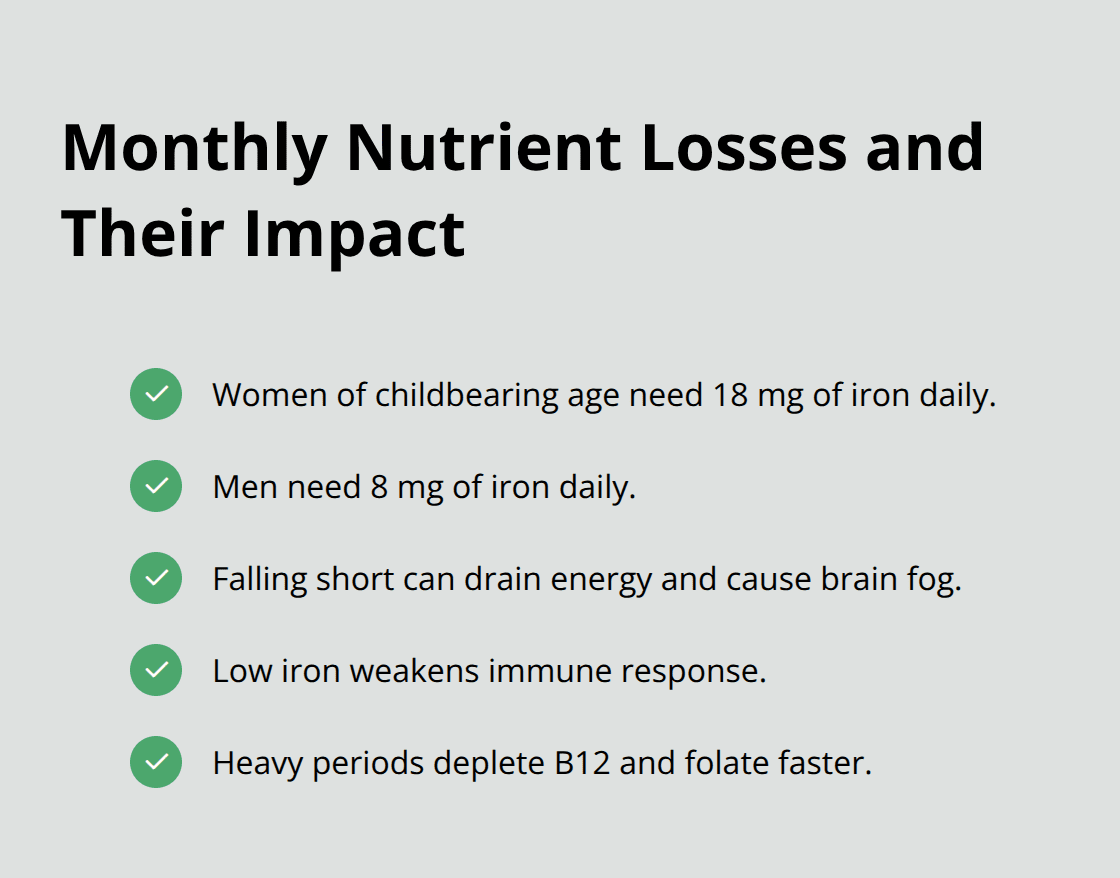
Iron and B vitamins slip away from your body every month during menstruation, and this isn’t a minor issue. The NIH notes that women of childbearing age need 18 mg of iron daily compared to 8 mg for men, yet many fall short. This deficit drains your energy, weakens your immune response, and makes you feel foggy. B12 and folate deplete more rapidly in menstruating women, especially if you have heavy periods.
How Your Needs Shift Across Your Lifespan
Your nutritional requirements change dramatically as you age. In your 40s, calcium requirements stay at 1,000 mg per day, but your body absorbs it less efficiently as estrogen drops during perimenopause. Vitamin D becomes even more critical because it supports bone density during the menopausal transition when estrogen levels decline. Women aged 51 and older should try for 1,200 mg of calcium daily and at least 800 IU of vitamin D, according to guidelines from the NIH and National Academy of Medicine.
The Postmenopausal Muscle and Bone Challenge
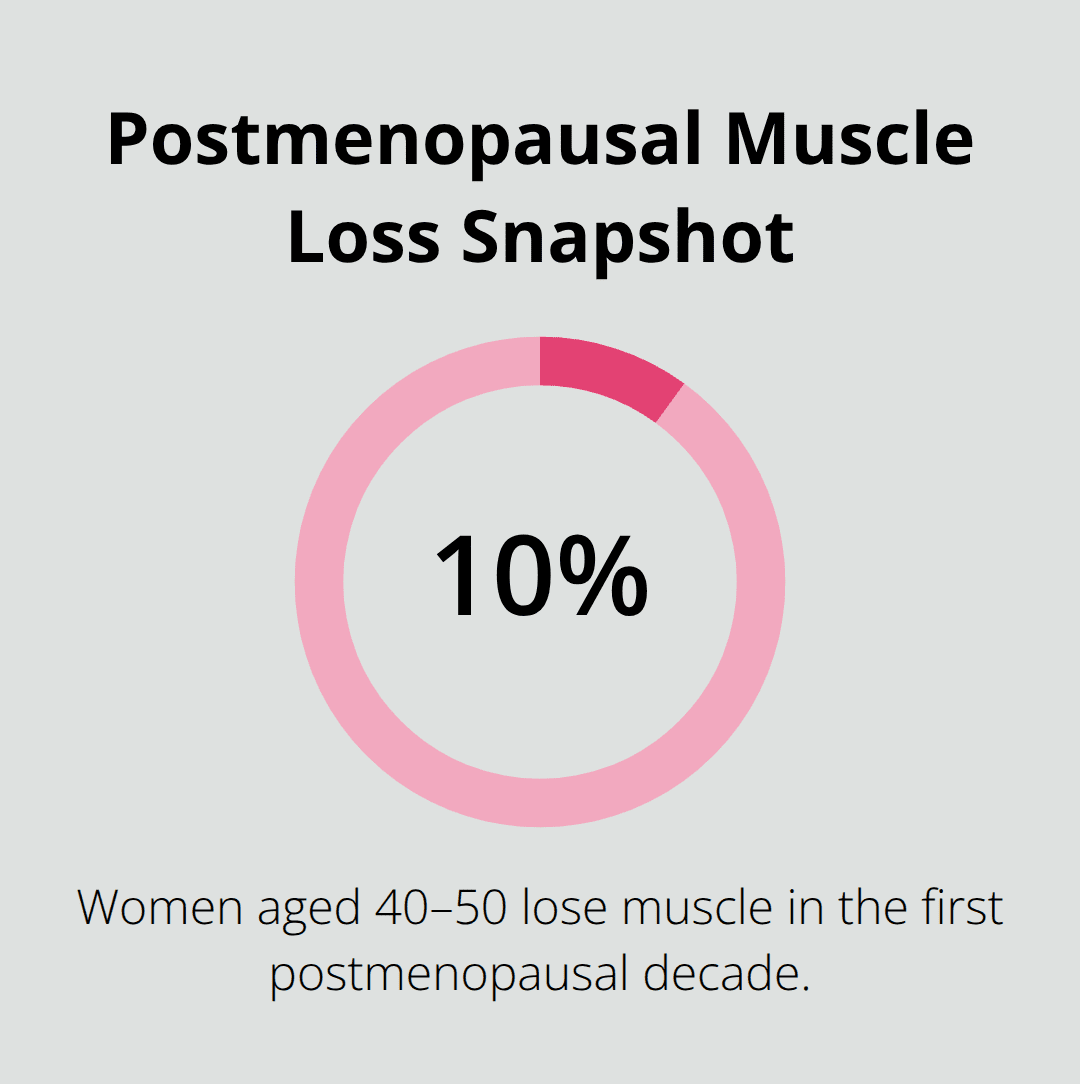
Women aged 40–50 experience 10% muscle loss in the first postmenopausal decade, partly because declining estrogen reduces your ability to use certain nutrients efficiently. Deficiencies in vitamin D (below 29 ng/mL) are linked to poorer lower-body strength and function in older women, making supplementation practical rather than optional for most. The research is clear: your body needs strategic nutrient support during this transition.
Why Food Alone Falls Short
Many women don’t realize their nutrient gaps until symptoms appear-fatigue, brittle nails, brain fog, or weak bones. The truth is that food alone often cannot bridge these gaps. Typical daily fiber intake for many women sits at 10–15 grams, well below the recommended 25 grams, and similar shortfalls exist for magnesium, vitamin B12, and folate. A registered dietitian can identify your specific deficiencies through blood work, but starting with the nutrients women lose most-iron, B12, folate, calcium, and vitamin D-gives you a solid foundation. Understanding which vitamins matter most sets the stage for choosing supplements that actually address your body’s needs.
The Vitamins Your Body Needs Most Right Now
Iron, B12, and Folate: Your Energy Foundation
Iron, B12, and folate form the backbone of female health because your body loses them faster than men’s bodies do. Women aged 19 to 50 need 18 mg of iron daily, compared to 8 mg for men, yet research shows many fall short of this target. Heavy periods compound this problem, draining iron stores and leaving you exhausted and mentally foggy.
B12 deficiency affects your energy production at the cellular level, making fatigue feel persistent no matter how much sleep you get. Folate matters equally because it supports red blood cell formation and brain function. Food sources like lean red meat, poultry, fish, and leafy greens help, but many women benefit from supplementation to hit their targets consistently.
Calcium and Vitamin D: The Bone Partnership
Calcium and vitamin D work as a partnership, not separately. At 1,000 mg daily for women in their 40s and 1,200 mg for women 51 and older, calcium supports bone density as estrogen declines during perimenopause. Vitamin D absorption improves when you consume it with fat, so taking your supplement with a meal matters more than the time of day.
The NIH recommends 600 IU daily for adults under 70 and 800 IU for those 70 and older, but many functional medicine practitioners recommend higher doses based on individual blood levels. Vitamin D insufficiency below 29 ng/mL correlates with weaker lower-body strength and function in aging women, making supplementation practical for most. Fatty fish like salmon and mackerel provide both nutrients naturally, but year-round supplementation makes sense if you live in northern climates or spend limited time outdoors.
Folate and Prenatal Vitamins: Reproductive Health Support
Folate and prenatal vitamins address reproductive health whether you’re planning pregnancy or managing heavy periods. Women who menstruate heavily lose more folate monthly, making supplementation especially important. If you’re considering pregnancy, increasing folic acid intake before conception reduces neural tube defect risk significantly.
Prenatal vitamins typically contain 400 to 800 micrograms of folate plus additional iron and vitamin D, making them valuable even before conception. Vegetarians and vegans face higher folate deficiency risk, so blood work can clarify whether you need supplementation or can meet needs through fortified grains, legumes, and leafy greens. Once you understand which nutrients your body actually needs, the next step involves learning how to select supplements that deliver what the label promises.
How to Choose Supplements That Actually Contain What They Claim
Third-Party Testing Removes the Guesswork
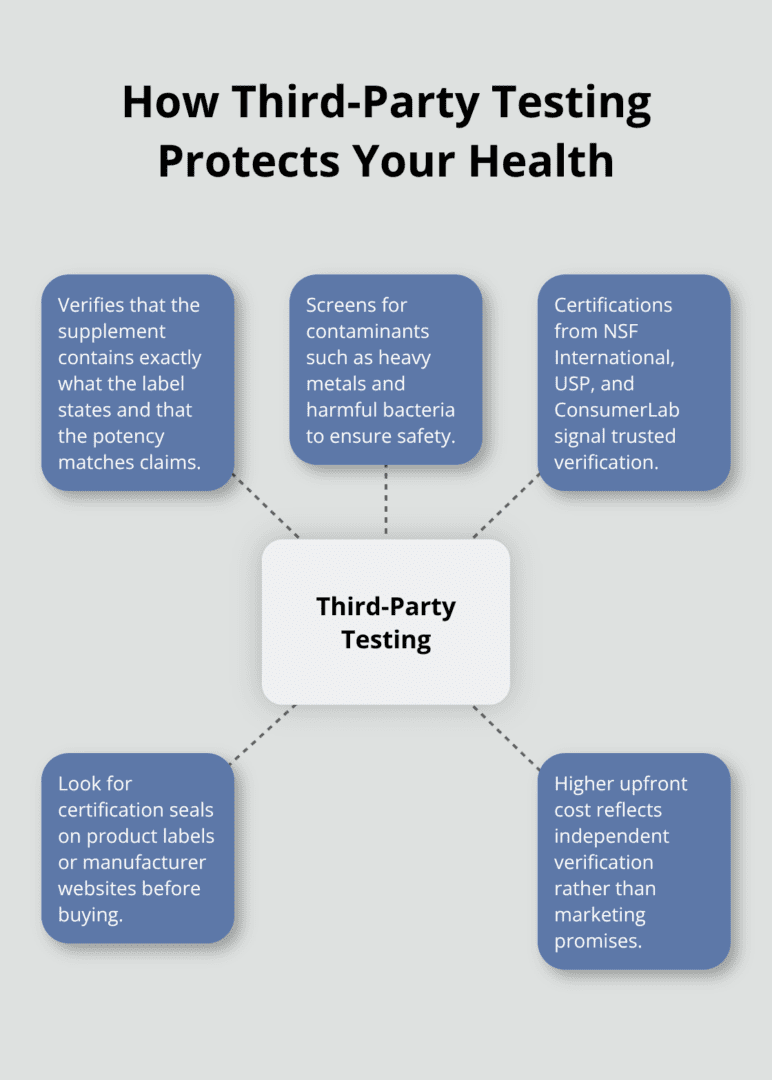
The supplement industry operates with minimal regulation, which means labels often misrepresent what’s inside the bottle. Many non-prescription supplements like fish oil, turmeric, and CoQ10 lack tight oversight and may not match their claimed ingredients or potency. Third-party testing solves this problem entirely. Organizations like NSF International, USP (United States Pharmacopeia), and ConsumerLab verify that supplements contain exactly what labels state and remain free from contaminants such as heavy metals or harmful bacteria. Look for these certifications on product labels or manufacturer websites. The higher upfront cost of third-party tested products reflects verification rather than false promises.
Dosage Matters More Than You Think
More nutrients do not equal better health with vitamins and minerals. The NIH establishes upper limits for most nutrients, and exceeding them causes harm. Women in their 40s need 1,000 mg of calcium daily, while women 51 and older need 1,200 mg. Split doses over 500 mg to improve absorption, and take calcium away from other calcium-rich meals to maximize what your body actually uses.
Vitamin D dosing varies based on individual blood levels, which is why testing makes sense before starting supplementation. A baseline vitamin D level below 29 ng/mL warrants higher supplementation, while someone with adequate levels may only need 1,000 IU daily for maintenance. Work with a healthcare provider to test your baseline levels rather than assuming a standard dose works for everyone.
Label Reading Reveals Quality Differences
Check the supplement facts panel for the form of each nutrient because absorption varies significantly. Methylcobalamin B12 absorbs better than cyanocobalamin, and 5-MTHF folate absorbs better than folic acid, particularly if you carry genetic variations that affect nutrient processing. Calcium citrate absorbs better than calcium carbonate, especially for people taking acid-blocking medications.
The ingredient list also matters because fillers and additives accumulate across multiple supplements. If you take a multivitamin plus targeted supplements like calcium, magnesium, and vitamin D, you risk doubling or tripling certain nutrients without realizing it. One practical approach involves choosing a foundational multivitamin that covers basic nutrient needs, then adding only targeted supplements for specific gaps identified through blood work.
Strategic Supplement Stacking
Many women benefit from adding magnesium for sleep support at 200 to 320 mg daily, omega-3 fatty acids for inflammation and brain health, and vitamin D if blood testing shows insufficiency. Avoid chasing single nutrients with multiple pills when one well-formulated supplement addresses several needs simultaneously. Quality supplements contain minimal extra ingredients and avoid unnecessary fillers, colorants, or binders that bloat tablet size without adding nutritional value. Before starting any new supplement regimen, discuss your plan with a healthcare provider because high doses can interact with medications or affect bleeding risk during surgery.
Final Thoughts
Choosing the right vitamins for female health comes down to understanding your body’s specific needs and selecting supplements backed by third-party testing. Iron, B12, folate, calcium, and vitamin D form the foundation for most women, but your individual requirements depend on your age, menstrual status, dietary habits, and health history. Blood work reveals exactly where you fall short rather than forcing you to guess based on generic recommendations.
The most common mistake women make involves buying supplements without knowing whether they actually need them. Taking a multivitamin when you already meet nutrient needs through food wastes money and risks exceeding safe upper limits for certain minerals, while ignoring clear deficiencies like low vitamin D or iron stores leaves you fatigued and vulnerable to bone loss. Quality matters enormously in the supplement world because third-party certifications from NSF International or USP verify that what’s on the label actually exists in the bottle.
We at Mosaic Medicine Clinic recommend discussing any supplement plan with your healthcare provider before starting, as they can order blood work to identify real deficiencies and review your medications for potential interactions. A Direct Primary Care practice like ours gives you unrushed time to explore these questions thoroughly rather than rushing through a standard appointment, and if you’re ready to take control of your nutritional health with professional guidance, visit Mosaic Medicine Clinic to learn how we support women’s wellness through comprehensive, personalized care.