
Women’s hormones control far more than reproduction. They influence your energy, mood, weight, and sleep quality every single day.
At Mosaic Medicine Clinic, we see how hormonal imbalances affect women’s daily lives. Small shifts in estrogen, progesterone, or thyroid hormones can create symptoms that impact your work, relationships, and overall wellbeing.
This guide breaks down the science behind your hormones and provides practical steps to restore balance naturally.
What Do Your Key Hormones Actually Do
Estrogen Coordinates Your Body’s Complex Systems
Estrogen acts as your body’s master coordinator and manages far more than your menstrual cycle. This hormone regulates bone density, cardiovascular health, and brain function. Harvard Health Publishing research shows that women with balanced estrogen levels experience better cognitive performance and mood stability. When estrogen drops during menopause, women face an increased risk of osteoporosis and higher cardiovascular disease rates.
Your estrogen levels fluctuate throughout your cycle, peak mid-cycle, and drop before menstruation. This explains why you might feel more energetic and confident around ovulation, then experience mood dips before your period starts.
Progesterone Controls Your Sleep and Stress Response
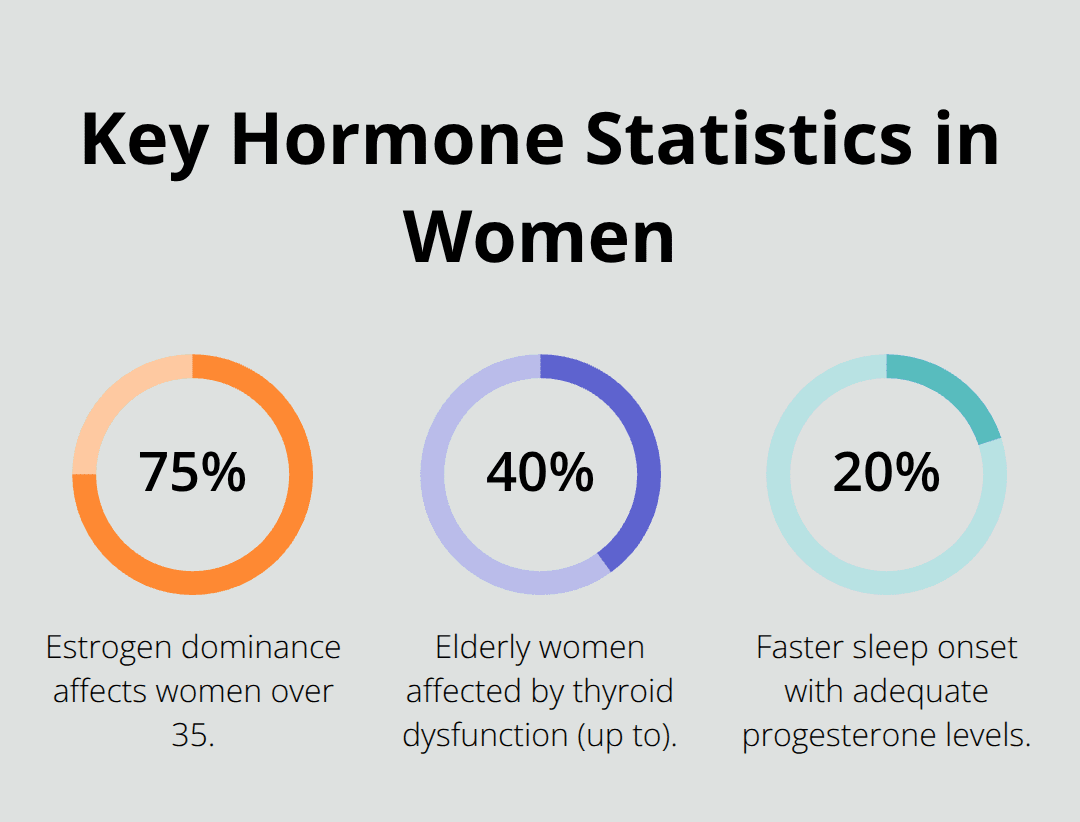
Progesterone works as nature’s sedative, promotes deep sleep, and calms your nervous system. The University of Rochester Medical Center found that women with adequate progesterone levels fall asleep 20% faster and experience better sleep quality. This hormone peaks after ovulation and drops sharply if pregnancy doesn’t occur.
Low progesterone causes insomnia, anxiety, and irritability during the second half of your cycle. Women with progesterone deficiency often report they wake up multiple times per night and feel unrested despite adequate sleep hours. Stress directly suppresses progesterone production and creates a cycle where poor sleep leads to more stress hormones.
Thyroid Hormones Drive Your Metabolic Engine
Thyroid hormones T3 and T4 control your metabolic rate, body temperature, and energy production. The Mayo Clinic reports that thyroid dysfunction affects up to 40% of elderly women, with many cases that go undiagnosed for years. These hormones determine how efficiently your cells convert food into energy.
When thyroid function slows, your metabolism drops by 15-40% and leads to unexplained weight gain, fatigue, and cold sensitivity. Hyperthyroidism accelerates metabolism excessively and causes rapid weight loss, heart palpitations, and anxiety. Your thyroid needs adequate iodine, selenium, and zinc to function properly (nutrients often lacking in processed food diets).
These hormonal fluctuations create symptoms that many women dismiss as normal parts of life, but recognizable patterns often signal specific imbalances that require attention.
What Hormonal Imbalances Look Like
Estrogen Imbalances Create Predictable Patterns
Estrogen dominance affects 75% of women over 35 according to the American College of Obstetricians and Gynecologists, yet most women don’t recognize the symptoms. Weight gain around hips and thighs, heavy periods that last more than 7 days, and breast tenderness that persists beyond ovulation signal excess estrogen. Women with estrogen dominance also experience mood swings, brain fog, and sleep disruptions in the second half of their cycle.
Estrogen deficiency presents differently with hot flashes, vaginal dryness, and bone loss that accelerates after age 40. The Cleveland Clinic found that women who experience 7 or more hot flashes daily have estrogen levels 40% lower than average. Night sweats, joint stiffness, and memory problems also indicate declining estrogen production.
Thyroid Problems Masquerade as Other Conditions
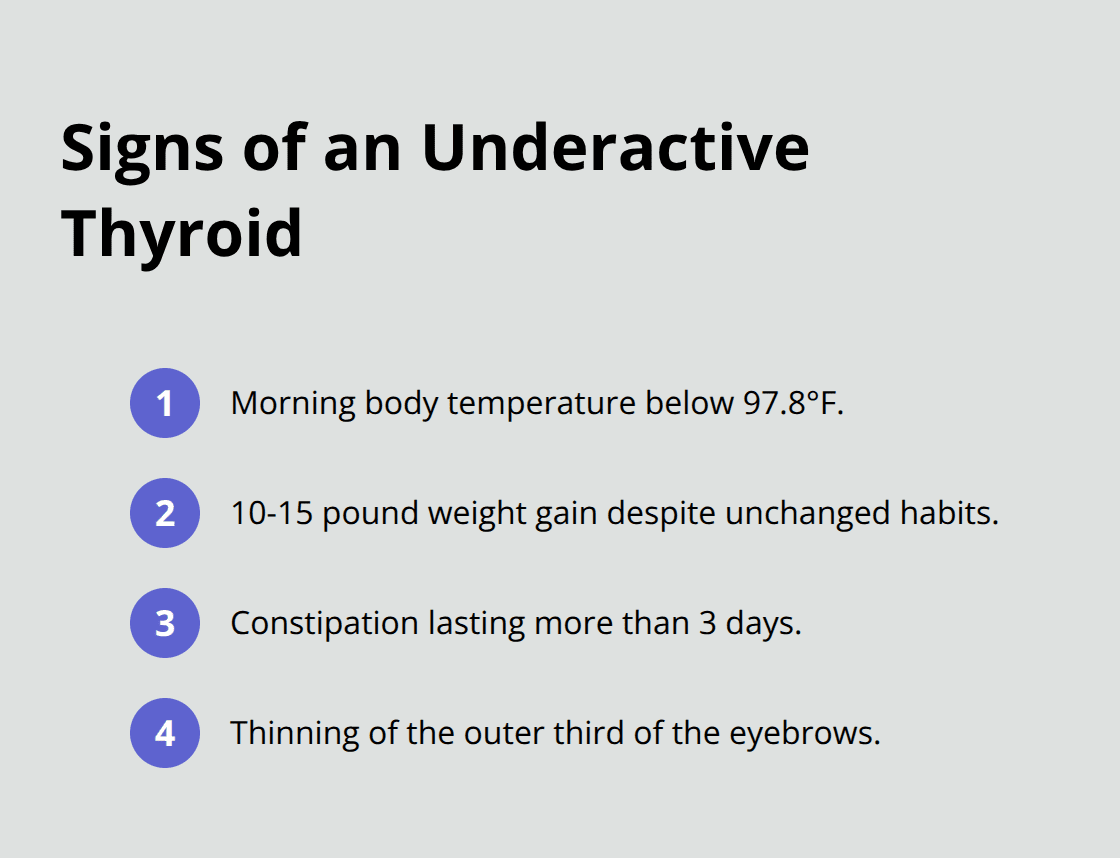
Hypothyroidism affects 20% of women over 60, but symptoms start years earlier according to the American Thyroid Association. Your morning body temperature below 97.8°F consistently indicates sluggish thyroid function. Weight gain of 10-15 pounds despite unchanged habits, constipation that lasts more than 3 days, and hair loss from the outer third of eyebrows point to underactive thyroid.
Hyperthyroidism causes opposite symptoms with a heart rate above 90 beats per minute at rest, unexplained weight loss that exceeds 2 pounds weekly, and hands that tremble. The Mayo Clinic reports that women with untreated thyroid dysfunction have 3 times higher risk of heart disease and infertility rates increase by 52%.
Insulin Resistance Develops Silently
Insulin resistance affects only 12.2% of American adults are metabolically healthy, with women who show symptoms around age 35. Waist circumference that exceeds 35 inches, skin tags on neck or armpits, and afternoon energy crashes 2-3 hours after meals indicate insulin problems. Cravings for carbohydrates or sweets that intensify throughout the day signal blood sugar instability.
The Centers for Disease Control found that women with insulin resistance gain an average of 2-3 pounds yearly and develop type 2 diabetes at rates 50% higher than men. Dark patches of skin called acanthosis nigricans appear on neck folds and underarms when insulin resistance progresses.
These warning signs often overlap and compound each other, which makes proper identification essential before you can address the root causes through targeted lifestyle changes.
How Can You Balance Hormones Naturally
Target Your Meals for Maximum Hormonal Impact
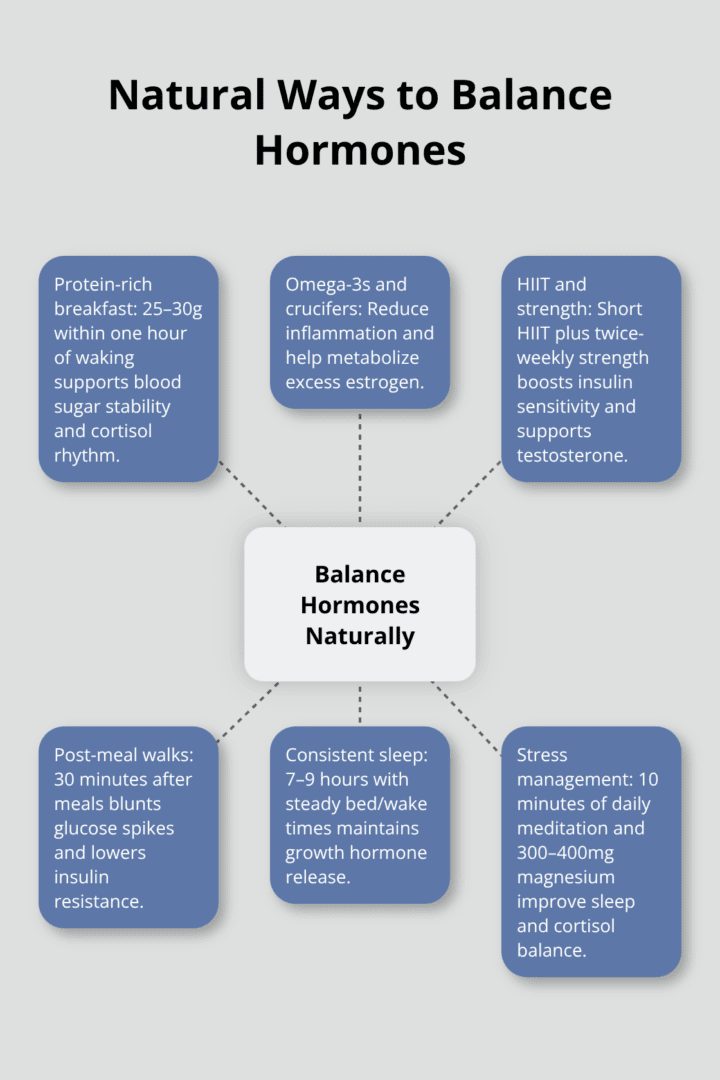
Consume 25-30 grams of protein at breakfast to stabilize blood sugar and support healthy cortisol response throughout the day according to nutritional research. Women who eat protein-rich breakfasts report fewer afternoon cravings and maintain steadier energy levels. Include eggs, Greek yogurt, or lean meats within one hour of waking to activate appetite-regulating hormones like GLP-1 and peptide YY.
Omega-3 fatty acids from wild-caught salmon, sardines, and walnuts reduce inflammatory markers that disrupt hormone production. Research shows that women who consume omega-3 rich fish weekly show improved cortisol levels and insulin sensitivity. Cruciferous vegetables like broccoli, Brussels sprouts, and kale contain compounds that help metabolize excess estrogen and support liver detoxification pathways.
Exercise Smart to Optimize Your Hormone Response
High-intensity interval training for just 15-20 minutes three times weekly increases growth hormone production and improves insulin sensitivity more effectively than steady cardio. Research shows that women who perform HIIT workouts show significant reductions in cortisol within weeks. Strength training twice weekly maintains muscle mass and supports testosterone production (which declines annually after age 30).
Walk for 30 minutes after meals to lower blood glucose spikes and reduce insulin resistance according to diabetes research. This simple practice activates glucose transporters and helps muscles absorb sugar without requiring additional insulin. Avoid excessive cardio that exceeds 60 minutes daily, which elevates cortisol chronically and can suppress thyroid function.
Master Your Sleep and Stress Cycles
Sleep deprivation for just one night reduces insulin sensitivity and increases cortisol production the following day according to sleep research. Women need 7-9 hours of consistent sleep to maintain proper growth hormone release, which occurs primarily during deep sleep phases. Create a sleep schedule where you go to bed and wake up within 30 minutes of the same time daily (even on weekends).
Chronic stress keeps cortisol elevated and blocks progesterone production, which creates a cascade of hormonal disruption. Research shows that women who practice 10 minutes of daily meditation show improved stress hormone levels within weeks. Magnesium supplementation of 300-400mg before bed supports GABA production and improves sleep quality while reducing stress hormone activity.
Final Thoughts
Women’s hormones respond remarkably well to consistent lifestyle changes when you address root causes rather than symptoms alone. Start with protein-rich breakfasts, regular sleep schedules, and stress management techniques that fit your daily routine. These foundational steps create measurable improvements in energy, mood, and metabolic function within weeks.
Professional medical evaluation becomes necessary when symptoms persist despite lifestyle modifications or interfere with daily activities. Unexplained weight changes that exceed 10 pounds, sleep disruption that lasts more than two weeks, or mood changes that affect relationships warrant hormone testing and medical assessment. Women who experience multiple symptoms simultaneously (like fatigue combined with weight gain and irregular periods) should seek comprehensive evaluation.
Sustainable wellness habits require patience and consistency rather than perfection. Focus on one change at a time and track your symptoms to identify what works best for your body. We at Mosaic Medicine Clinic provide comprehensive hormone evaluation and personalized treatment plans that address your unique needs through our Direct Primary Care approach.