
Thyroid Issues in Women Treatment: Understanding Symptoms, Causes, and Solutions
Thyroid issues play a crucial role in women’s overall well-being. When the thyroid gland doesn’t function optimally, it can lead to various symptoms that affect energy, mood, weight, and more. At Mosaic Med, we specialize in functional thyroid optimization to help women regain balance and improve their health.
What is the Thyroid Gland, and Why Is It Important?
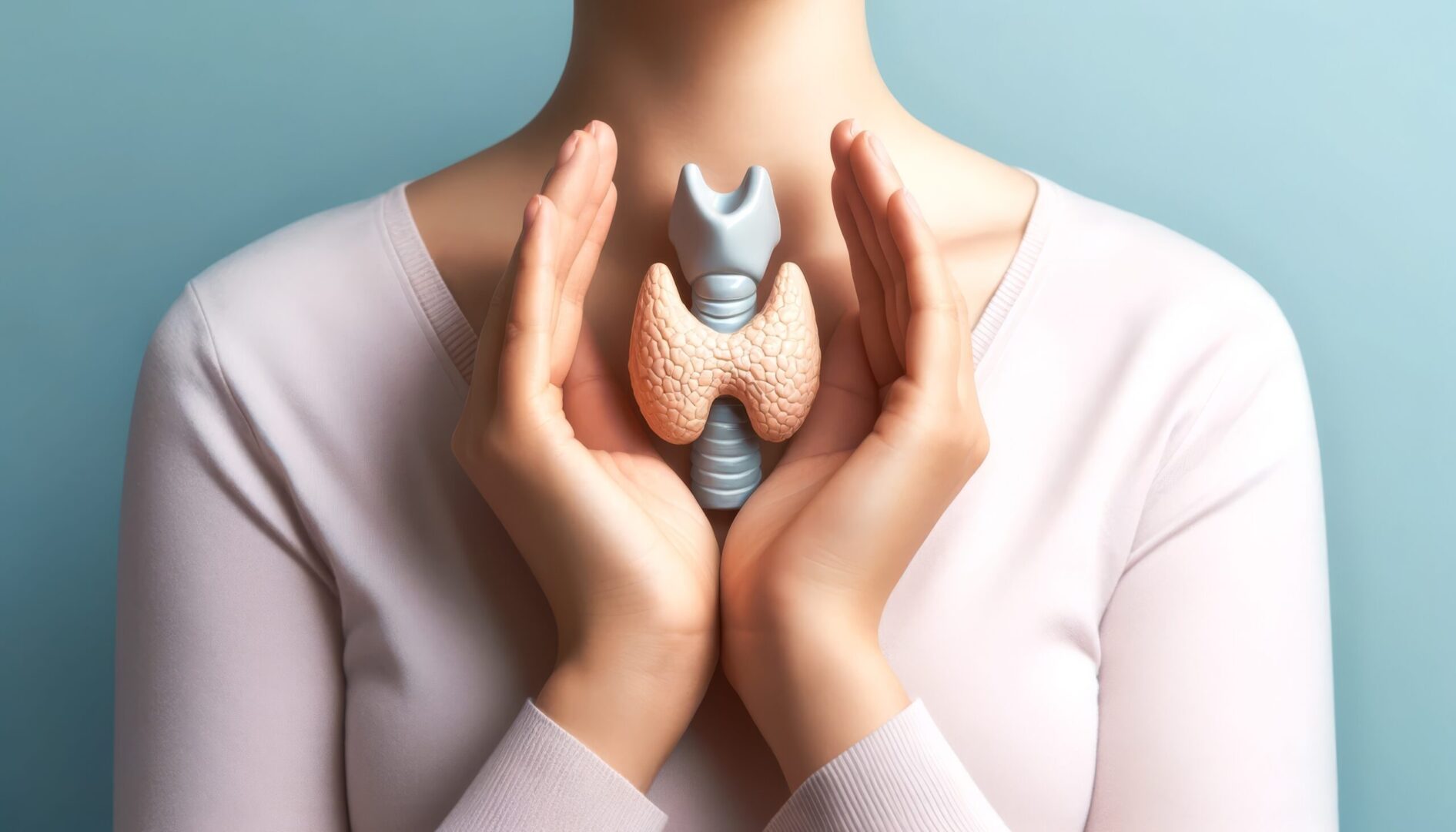
The thyroid is a small, butterfly-shaped gland located in the base of the neck. Despite its modest size, it significantly influences the body’s biology, energy production, and hormonal balance. For women, thyroid issues are critical because the gland impacts reproductive health, mental clarity, skin, and hair quality and often intersect with other common female health issues.
When the thyroid gland underperforms, it causes hypothyroidism, commonly known as a slow thyroid; conversely, an overactive thyroid results in hyperthyroidism.
Common Symptoms of Thyroid Issues: Symptoms of Hypothyroidism (Slow Thyroid)
Symptoms of an underactive thyroid often develop gradually, which makes them easy to overlook. Recognizing these signs early can lead to better management of thyroid issues. Common symptoms include:
- Fatigue and low energy levels
- Unexplained weight gain related to thyroid dysfunction
- Sensitivity to cold

- Dry skin and brittle hair
- Constipation
- Depression or mood changes that may require targeted support for female mental health and wellbeing
- Brain fog or difficulty concentrating
- Irregular menstrual cycles

Suppose you experience several of these symptoms; seeking medical advice is important. Mosaic Med offers comprehensive testing to determine if thyroid issues might be affecting your health.
Causes of Thyroid Issues in Women
Several factors contribute to thyroid issues, including:
- Autoimmune disorders: Conditions like Hashimoto’s disease are autoimmune conditions in which the immune system attacks the thyroid gland; it is the most common cause of hypothyroidism, and women are more likely to develop it than men.
- Nutritional deficiencies: Lack of iodine, selenium, or zinc can impair thyroid function.
- Stress: Chronic stress disrupts hormonal balance and may negatively affect the thyroid.
- Hormonal changes: Pregnancy, menopause, and menstrual cycles can influence thyroid health.
- Radiation exposure or therapy: Radiation treatment can damage the thyroid and cause hypothyroidism, including after radioactive iodine treatment.
- Certain medications: Some drugs can interfere with thyroid hormone production.
- Surgical removal of the thyroid: A thyroidectomy always results in hypothyroidism.
Understanding the root causes of thyroid issues is essential for effective treatment. Mosaic Med’s functional thyroid optimization approach centers on this.
The Broader Impact of Unaddressed Thyroid Issues on Women.
The direct symptoms, unaddressed thyroid issues, can have far-reaching consequences for a woman’s quality of life. For instance, chronic fatigue can impact career productivity and personal relationships. Despite efforts to diet and exercise, persistent weight gain can lead to frustration and decreased self-esteem. Mood changes, including depression and anxiety, can significantly affect mental well-being and daily functioning, especially given the complex ways female hormones affect mental health.
Furthermore, thyroid issues can complicate reproductive health. Irregular menstrual cycles are a common symptom of hypothyroidism, potentially affecting fertility and making it challenging for women to conceive, making it even more important to understand female reproductive system health. For those who do become pregnant, understanding how women can balance thyroid health during pregnancy is crucial, since untreated thyroid dysfunction can increase the risk of complications for both mother and baby. This highlights the critical importance of early diagnosis and management of thyroid issues, especially for women in their reproductive years. Another area of concern is the.
The connection between thyroid health and cardiovascular well-being is important. Hypothyroidism can lead to elevated cholesterol levels and an increased risk of heart disease. Over time, the body’s metabolism slows down, affecting various systemic functions, including how the heart operates, and in severe untreated cases many of your body’s processes slow as the body’s functions slow, which can progress to myxedema coma, a life-threatening condition. Addressing thyroid issues is thus not just about managing symptoms but about safeguarding long-term health.
 Deep Dive: Recognizing Subtle Signs of Thyroid Issues
 Deep Dive: Recognizing Subtle Signs of Thyroid Issues
While many symptoms of thyroid issues are well-known, some can be more subtle or easily mistaken for other conditions. For example, hair thinning or loss, particularly in the outer third of the eyebrows, can be a less obvious sign of hypothyroidism. Similarly, brittle nails, puffiness in the face or hands, and a hoarse voice might indicate underlying thyroid issues.
Digestive problems extend beyond just constipation; some women with hypothyroidism might experience a general slowing of the digestive system, leading to bloating and discomfort. On the cognitive front, “brain fog” isn’t forgetfulness; it can manifest as difficulty concentrating, slower thought processes, and impaired memory, making everyday tasks challenging. Understanding these nuanced indicators is crucial for women to advocate for thorough testing and avoid misdiagnosis.
The Role of Lifestyle in Managing Thyroid Issues
While medical intervention and specific treatments are often necessary for significant thyroid issues, lifestyle choices profoundly support thyroid health and management. It’s not just about what you avoid but what you actively incorporate into your daily routine. Many women benefit from safe, natural ways to boost thyroid function without medication, and dietary adjustments can also play a role in supporting overall thyroid function as part of a broader treatment plan.
1. Nutrient-Rich Diet: Fueling Your Thyroid Hormones
A diet rich in specific nutrients is fundamental for optimal thyroid function, though iodine deficiency is extremely rare in the United States. Beyond iodine, selenium, and zinc, other micronutrients like iron, vitamin D, and B vitamins also play supporting roles, and many women benefit from guidance on choosing the best vitamins for female health. Selenium supports thyroid function and is found in foods such as nuts and grains. For example, iron deficiency can impair thyroid hormone production, and vitamin D is crucial for immune system regulation, which is vital for autoimmune thyroid conditions like Hashimoto’s. Various colorful fruits and vegetables, including various colorful fruits and vegetables, provide antioxidants that can reduce inflammation, which is often a contributing factor in thyroid issues. Limiting processed foods, excessive sugar, and unhealthy fats can reduce systemic inflammation and support overall metabolic health. Pregnant women require more iodine for fetal development and should ask a clinician how much iodine is appropriate.
2. Stress Management: Calming the Endocrine System
Chronic stress directly impacts the endocrine system, including the thyroid. The body’s response can suppress thyroid hormone production and interfere with converting inactive thyroid hormone (T4) to its active form (T3). Implementing stress-reduction techniques such as deep breathing exercises, mindfulness meditation, yoga, or spending time in nature can help regulate the hypothalamic-pituitary-adrenal (HPA) axis, which is intricately linked to thyroid function. Prioritizing adequate sleep is another critical component of stress management and overall hormonal balance.
3. Regular Exercise: Boosting Metabolism and Mood
Moderate, consistent exercise is beneficial for managing thyroid issues by improving metabolism, increasing energy levels, and enhancing mood. It helps combat weight gain often associated with hypothyroidism and can improve insulin sensitivity. However, it’s important to find a balance; over-exercising, especially high-intensity training, can sometimes place additional stress on the body if thyroid function is already compromised. Activities like walking, swimming, cycling, or strength training are generally well-tolerated and effective for supporting overall well-being.
Environmental Factors and Thyroid Disease
Beyond diet and stress, environmental toxins can also contribute to thyroid issues. Exposure to certain chemicals, known as endocrine-disrupting chemicals (EDCs), can interfere with thyroid hormone synthesis, metabolism, and action, so integrating evidence-based self-care strategies for overall health can be a valuable part of prevention. These can be found in plastics (BPA, phthalates), pesticides, and personal care products. Reducing exposure by choosing organic foods, using natural cleaning products, and opting for chemical-free personal care items can be proactive in protecting thyroid health. Understanding and mitigating these environmental influences is an evolving area of focus in functional medicine approaches to thyroid issues.
Mosaic Medicine’s approach to Thyroid Issues
At Mosaic Med, we know therapeutic approaches for thyroid disorders are tailored to individual patient needs. Our integrative medicine clinic uses a functional thyroid optimization program that includes:
- Comprehensive Testing goes beyond a standard blood test to evaluate thyroid function thoroughly. Testing commonly includes TSH, T3, and T4 for diagnosis and management, and may also check for thyroid antibodies, reverse T3, and nutrient levels to get a complete picture of the body’s biochemistry. Regular monitoring of TSH levels helps guide treatment adjustments, and labs are commonly repeated 6 to 8 weeks after starting treatment to check thyroid hormone levels.
- Customized Treatment Plans: Tailored to your unique needs, which may include targeted nutritional support, specific supplements to address deficiencies, personalized dietary recommendations, lifestyle modifications, and, if necessary, thyroid hormone replacement or other medical interventions. Levothyroxine is the standard treatment when your own thyroid is not making enough hormone. The goal is the right dose to restore hormone levels, since too much thyroid hormone can be harmful.
- Ongoing Support: Dedicated to helping you achieve lasting health improvements through continuous monitoring, adjustments to thyroid medication, and educational resources to empower you in your health journey. We believe in building a partnership with our clients.
When to Seek Help for Thyroid Issues
Suppose you notice symptoms of an underactive thyroid or face unexplained health challenges; don’t hesitate to seek medical support. Early diagnosis and treatment can significantly improve your quality of life. Ignoring subtle or persistent signs of thyroid issues can lead to more severe complications down the line. Mosaic Medicine is ready to guide you toward better thyroid health, offering a holistic perspective that considers all contributing factors to your well-being.
Take the First Step Toward Better Thyroid Health
Your thyroid health is vital to your overall wellness. At Mosaic Medicine, we empower women to take control through functional thyroid optimization. Contact us today to schedule a consultation and discover how we can help you feel your best. We are committed to helping you understand the complexities of your body and provide a clear path forward for managing thyroid issues effectively.
[/et_pb_text][/et_pb_column][/et_pb_row][/et_pb_section]