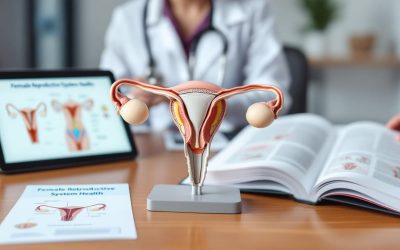
Stress and sexual performance share a complex relationship that affects millions of people worldwide. When anxiety levels rise, the body’s natural sexual response often suffers. At Mosaic Medicine Clinic, we see patients struggling with erectile issues and intimacy problems linked directly to chronic stress levels. Understanding this connection is the first step toward reclaiming your sexual wellness.
How Does Stress Sabotage Your Sexual Response?
Chronic stress floods your body with cortisol, the hormone that blocks testosterone production and disrupts blood flow to sexual organs. When cortisol levels stay elevated for weeks or months, testosterone levels decrease due to stress system genes affecting cortisol, which reduces libido in both men and women. This hormonal disruption affects more than half of men between ages 40 and 70 who experience erectile dysfunction, with stress as a primary factor. Women face equally serious issues, as elevated cortisol interferes with estrogen balance and causes decreased vaginal lubrication and painful intercourse.
Stress Rewires Your Brain Against Intimacy
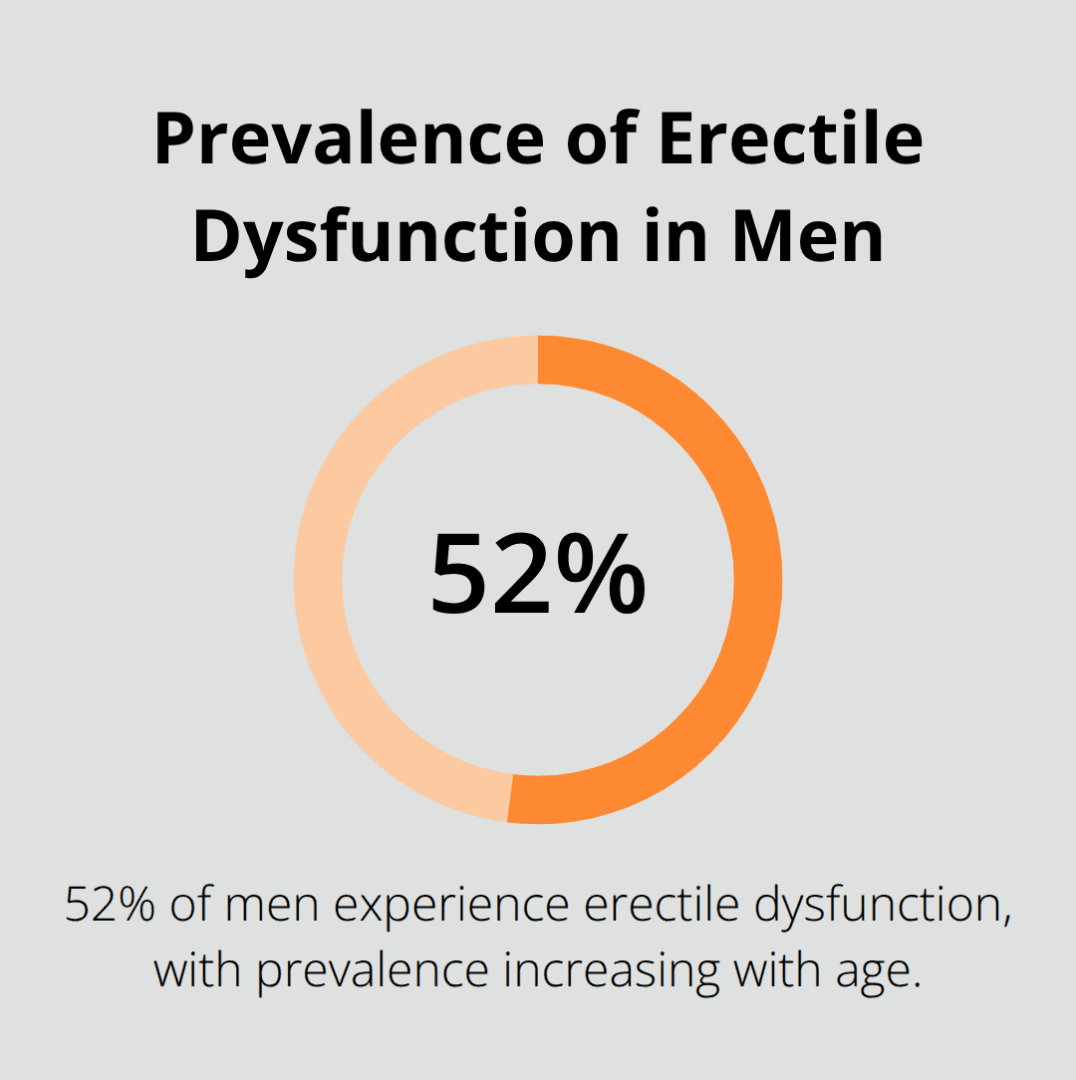
The fight-or-flight response shuts down non-essential body functions, which includes sexual arousal mechanisms. Your nervous system prioritizes survival over reproduction and makes it nearly impossible to achieve sexual satisfaction when anxiety dominates your thoughts. Research shows that 52% of men experience erectile dysfunction with prevalence increasing with age, which creates a destructive cycle where fear of sexual failure generates more stress. Women with high anxiety levels show significantly lower genital arousal responses during sexual activity, even when they feel mentally interested in intimacy.
Physical Damage Accumulates Over Time
Months of chronic stress damage blood vessels throughout your body and reduce circulation to genital areas, which makes arousal physically difficult. Sleep deprivation from stress decreases dopamine levels, which directly impacts your ability to feel pleasure during sexual activity. Stress also triggers muscle tension in pelvic floor muscles and contributes to painful intercourse in women and delayed ejaculation in men. These physical changes compound psychological barriers and make sexual recovery more challenging without proper intervention.
The Cortisol-Sexual Function Connection
Studies reveal that women with increased cortisol responses during sexual arousal report lower scores on desire, arousal, and satisfaction measures compared to those with decreased cortisol levels. This stress hormone acts to mobilize energy in response to threats but inhibits reproductive functions (including sexual arousal) in the process. Individual responses vary significantly, with some people showing decreased cortisol during sexual stimulation while others experience increases that interfere with sexual function.
The next step involves understanding specific sexual performance issues that stem from these stress-related changes in your body and mind.
What Sexual Problems Does Stress Actually Cause?
Men Face Erectile Dysfunction and Vanishing Desire
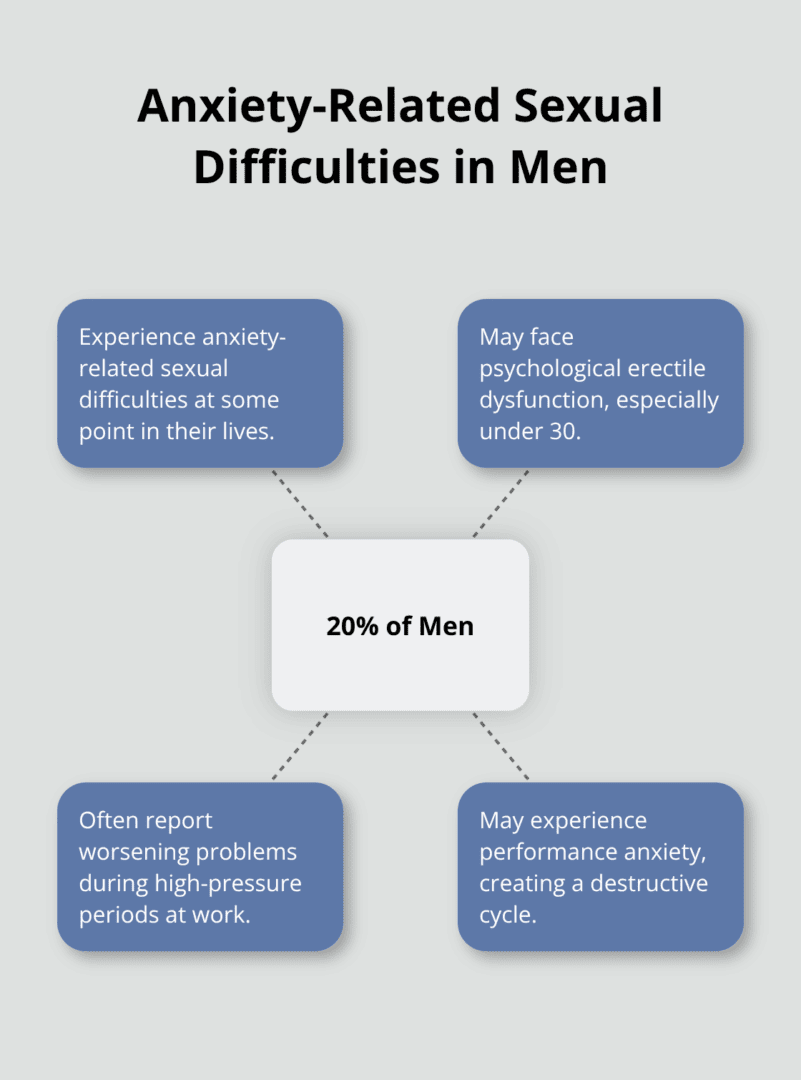
Stress attacks male sexual function through multiple pathways that create immediate and lasting problems. Elevated cortisol levels directly suppress testosterone production, which explains why 20% of men experience anxiety-related sexual difficulties at some point in their lives. Psychological erectile dysfunction affects men under 30 most frequently, while men over 30 face ongoing performance issues from work and relationship pressures.
The physical impact goes beyond hormones – chronic stress damages blood vessels and reduces circulation to the penis, which makes erections mechanically difficult to achieve. Sleep problems from stress compound these issues by lowering dopamine levels (essential for sexual pleasure and motivation). Men with stress-related erectile dysfunction often report that their problems worsen during high-pressure periods at work or during relationship conflicts.
Women Experience Pain and Lost Arousal
Women with high stress levels show significantly lower genital arousal responses even when they feel mentally interested in sexual activity. Stress disrupts estrogen balance and reduces vaginal lubrication, which leads to dyspareunia or painful intercourse in many cases. Vaginismus, characterized by involuntary vaginal muscle contractions, frequently develops from stress and anxiety about sexual performance.
Research demonstrates that women who display increased cortisol responses during sexual arousal report lower desire, arousal, and satisfaction scores compared to women with decreased cortisol levels. The psychological burden creates additional barriers – stress prevents the mental relaxation necessary for sexual enjoyment and makes it nearly impossible to focus on pleasurable sensations.
Performance Anxiety Creates a Destructive Cycle
Performance anxiety in women often manifests as inability to reach orgasm rather than problems with initial arousal, which creates frustration that feeds back into the stress cycle. Men experience a similar pattern where fear of sexual failure generates more stress, which then worsens erectile function. This vicious cycle becomes self-perpetuating (each failed attempt increases anxiety about the next encounter).
The good news is that targeted stress management techniques can break these patterns and restore sexual function for both men and women.
How Can You Break the Stress-Sexual Performance Cycle?
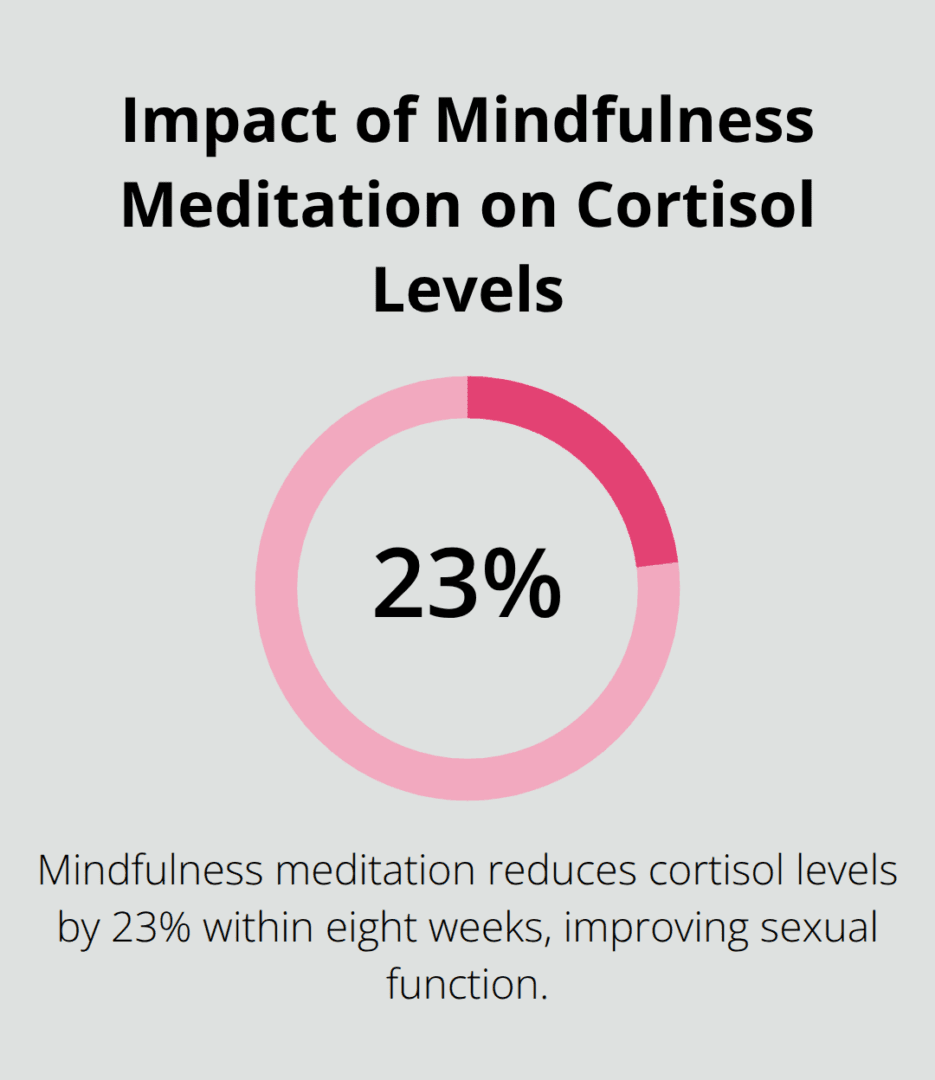
You can break free from stress-related sexual problems with targeted interventions that address both your mind and body simultaneously. Mindfulness meditation reduces cortisol levels by 23% within eight weeks according to research from Harvard Medical School, which directly improves sexual function by restoring hormonal balance. Progressive muscle relaxation techniques work even faster – participants in clinical studies showed improved erectile function within four weeks of daily practice. Deep breathing exercises activate your parasympathetic nervous system and counteract the fight-or-flight response that blocks sexual arousal.
Mindfulness Techniques That Restore Balance
Meditation practices specifically target the stress response that interferes with sexual function. You can start with just 10 minutes daily of focused breathing to see measurable improvements in cortisol levels. Yoga combines physical movement with mindfulness and provides dual benefits for stress reduction and improved blood flow to sexual organs. Progressive muscle relaxation teaches you to release physical tension that accumulates in your pelvic floor muscles (which directly impacts sexual response).
Physical Changes That Restore Sexual Function
Regular aerobic exercise reduces stress hormones while boosting endorphins that enhance sexual pleasure and desire. Studies show that weekly exercise of 160 minutes for 6 months contributes to decreasing erectile problems in men with ED caused by physical factors. Strength training provides additional benefits by increasing testosterone levels naturally, which counteracts stress-induced hormonal suppression. Sleep hygiene becomes non-negotiable – you need seven to nine hours of quality sleep to restore dopamine levels essential for sexual motivation and pleasure.
Professional Treatment Options That Work
Cognitive behavioural therapy specifically targets the thought patterns that fuel performance anxiety and shows success rates above 80% for stress-related sexual dysfunction. Couples therapy addresses relationship stressors that compound individual sexual problems and teaches communication skills that reduce sexual anxiety. Medical intervention becomes necessary when lifestyle changes alone fail to restore function – telehealth consultations provide private access to treatments for erectile dysfunction and other stress-related sexual problems without the embarrassment of in-person visits.
Final Thoughts
Stress and sexual performance share an undeniable connection that affects millions of people through hormonal disruption, reduced blood flow, and psychological barriers. Research clearly shows that elevated cortisol levels suppress testosterone production and interfere with natural arousal mechanisms in both men and women. When anxiety dominates your thoughts, your body prioritises survival over intimacy and makes sexual satisfaction nearly impossible to achieve.
You can break this cycle when you address both physical and mental health simultaneously. Mindfulness practices, regular exercise, and proper sleep hygiene work together to restore hormonal balance and improve sexual function. Professional interventions like cognitive behavioural therapy and medical treatments provide additional support when lifestyle changes alone prove insufficient.
Erectile issues and men’s intimacy problems often stem from manageable stress responses rather than permanent physical limitations (which means recovery remains possible with proper intervention). We at Mosaic Medicine Clinic understand that sexual wellness connects directly to overall health and well-being. Visit Mosaic Medicine Clinic to explore how our approach can support your path toward better sexual wellness and overall health.