

Direct primary care marketing works differently than traditional healthcare promotion. You’re not chasing patient volume-you’re building lasting relationships with people who value straightforward pricing and genuine access to their doctor. At Mosaic Medicine Clinic, we’ve seen firsthand how the right messaging attracts patients who are tired of insurance hassles and hidden costs, whether they are local to direct primary care in Bradenton, FL or exploring similar models elsewhere. This guide walks you through proven strategies to grow your DPC practice authentically.
Why Direct Primary Care Marketing Requires a Completely Different Approach
Traditional healthcare marketing chases volume. Hospitals and large practices need high patient turnover to sustain their overhead, so they focus on acquisition metrics and broad reach. Direct primary care operates on the opposite principle. Your practice builds itself on membership relationships where fewer patients generate sustainable revenue through predictable monthly fees. This fundamental difference changes everything about how you should market.
You’re not competing on convenience or brand recognition like an urgent care clinic. You’re competing on trust, accessibility, and transparent pricing. A patient considering DPC membership wants to know they’ll see the same doctor consistently, spend real time during appointments, and understand exactly what they’ll pay before committing. Traditional healthcare marketing rarely addresses these concerns because insurance-based practices don’t need to. They process claims, deal with intermediaries, and leave patients confused about actual costs.
Your messaging must directly contrast this experience. Show potential patients what they gain: same-day or next-day appointments, direct phone and email access to their physician, and pricing that doesn’t hide behind insurance bureaucracy, clearly explaining the direct primary care model. The marketing challenge isn’t filling appointment slots-it’s convincing people that membership is worth the upfront commitment when they’re used to paying only copays.
Pricing Transparency Becomes Your Strongest Marketing Asset
Insurance-based practices obscure costs deliberately because they don’t control them. Your DPC membership pricing, by contrast, should appear prominently across your website and other social media platforms. You can publish your membership fees alongside what patients actually save on labs, imaging, and medications. This transparency attracts your target demographic: cost-conscious patients and families tired of surprise bills and hidden costs.
Your website homepage, social media profiles, and initial consultations should lead with membership cost and what’s included. List exact prices for different membership tiers if you offer them. Compare annual membership cost to the average copay burden patients experience with traditional insurance. If a patient spends $2,000 annually on copays and your membership costs $1,500 per year with no additional visit fees, that’s a concrete, compelling message that mirrors what you might see in a detailed breakdown of how much direct primary care costs.

Membership-based pricing also eliminates the sales objection that healthcare is expensive. You’re offering affordability through predictability, not discounts or promotions, which maintains professional credibility while still emphasizing value and invites patients to compare direct primary care costs versus traditional insurance. Direct Primary Care for small businesses provides employees with comprehensive services for a simple, flat monthly fee that demonstrates this value proposition clearly.
Long-Term Patient Relationships Change Your Marketing Timeline
Volume-based practices measure marketing success in weeks or months. DPC practices should measure success in years. Word-of-mouth referrals from satisfied patients generate the strongest patient acquisition for direct primary care, yet these referrals build slowly through consistent care, genuine relationships, and building relationships with members over time, even as some patients weigh the potential disadvantages of direct primary care before committing. This means your marketing must support retention and satisfaction before you chase new patients aggressively.
Create systems that keep current members engaged through a referral program: quarterly health newsletters, annual wellness check-in reminders, and direct communication channels that reinforce the value of their membership. Patient success stories and outcomes matter far more in DPC marketing than flashy campaigns. A single video of a long-term patient describing how their doctor managed their chronic condition without opioids carries more weight than generic health messaging.
This approach requires patience and consistency, but it compounds over time. DPC practices have seen rapid growth as the model gains recognition, because you’re building a community, not processing transactions. As you establish this foundation of trust and satisfied members, your next challenge involves selecting the right channels to reach prospective patients who align with your practice’s values.
Where to Find Your Direct Primary Care Patients
Most DPC practices fail to reach the right patients because they spread marketing dollars across generic channels. Your goal is to attract patients by focusing on the channels where they already research healthcare alternatives online, and they’re concentrated in specific places, including people comparing concierge medicine vs. direct primary care when deciding which model fits their needs. Google searches for dissatisfaction with insurance, Reddit discussions about medical costs, and Facebook groups for small business owners represent goldmines of motivated prospects. Start by abandoning the assumption that you need presence everywhere. Instead, focus intensely on three channels where DPC patients actually search, knowing this channel-first plan works best as part of a multifaceted approach.
Optimize Your Google Business Profile First
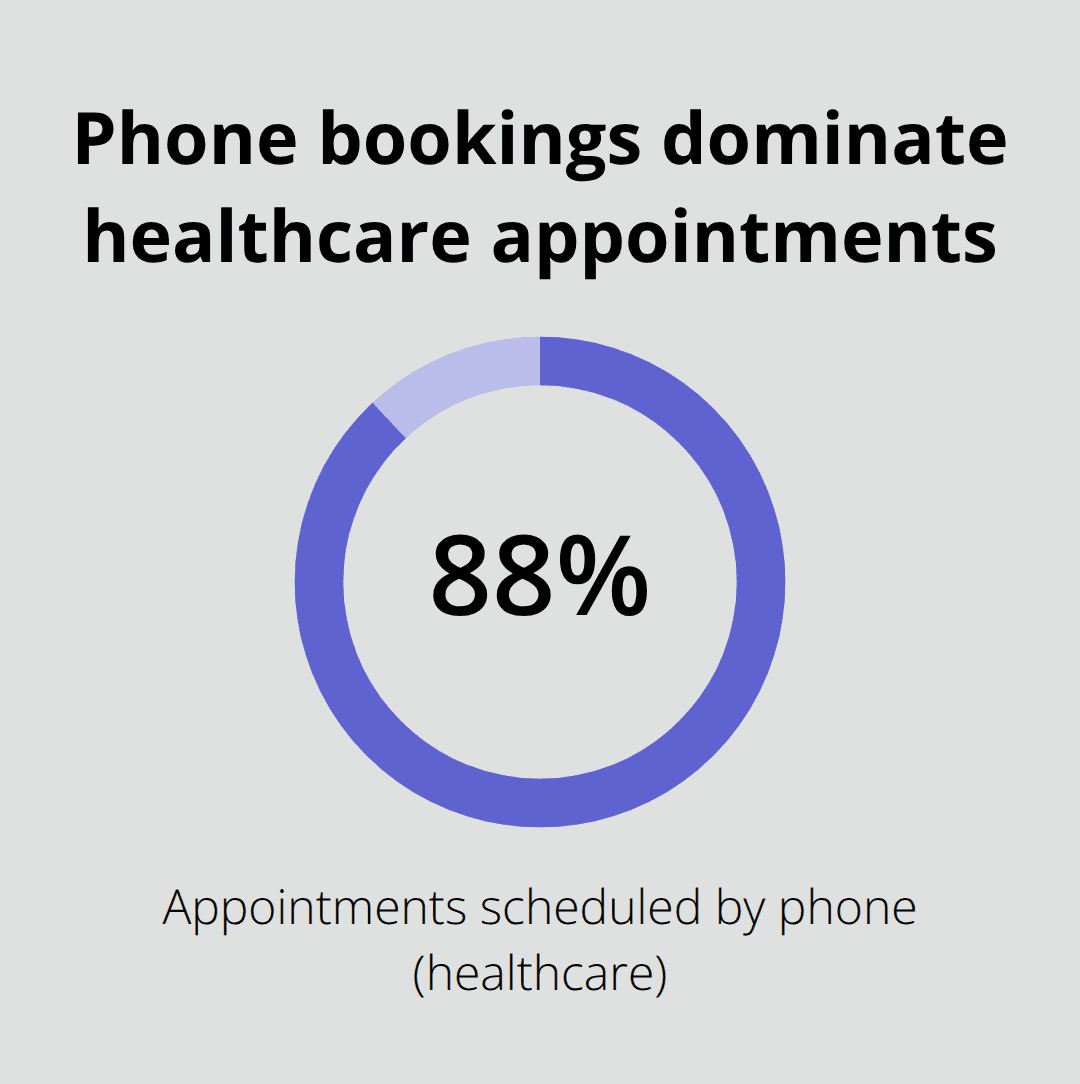
Google Business Profile optimization matters more than any other single tactic for local SEO because 88% of healthcare appointments are scheduled by phone. Your profile needs exact membership pricing listed, direct phone numbers, office hours, and a photo gallery showing your actual clinical space and staff.
Complete every field Google offers, especially the services section where you list membership types and what’s included. You should encourage satisfied patients to leave positive reviews and still respond to negative reviews within 48 hours, because response rate directly influences how Google ranks your profile in local searches. A DPC practice in a mid-sized city that maintains a fully optimized Google Business Profile with consistent monthly reviews typically sees a significant portion of new patient inquiries from that single source, which helps ensure the practice appears prominently in local results for local patients.
Create Educational Content That Addresses Real Problems
Creating engaging content through educational blog posts ranks second in importance, but only when you write specifically about problems DPC solves and explain the dpc model in practical terms rather than offering generic health information, such as helping readers understand how to choose the best primary care membership plan. Articles titled “How to Avoid Surprise Medical Bills” or “Why traditional primary care Often Feels Rushed” target the exact frustrations that drive patients toward membership models. Your posts should cover topics relevant to your audience’s common health concerns. Try writing one substantive post every two weeks, aiming for 800 to 1,200 words per piece, and include concrete data about healthcare costs or insurance bureaucracy. Link these posts from your Google Business Profile and share them in local Facebook groups where people discuss healthcare frustrations, since consistent, useful content helps position your practice as a thought leader.
Leverage Email Marketing to Current Members
Email marketing to current patients helps generate more patients through referrals from current members because satisfied members naturally recommend their doctor to friends and family. Send quarterly newsletters highlighting new services, seasonal health tips, or practice updates, and ask members to share health tips and practice updates with others who may be interested, but avoid promotional language; focus instead on actionable, evidence-based self-care strategies that actually improve health. Instead, emphasize accessibility: mention that members can text their doctor directly or book same-day appointments. Include a simple referral mechanism, such as a unique link patients can share or a printable membership overview they can give to interested colleagues. Clear communication in these emails makes referrals easier to act on. Practices that implement this approach see strong results from existing member referrals.
Build Trust Through Authentic Patient Stories
Patient testimonials and outcomes matter far more in DPC marketing than flashy campaigns because authentic stories help keep the audience engaged, not just build trust. A single video of a long-term patient describing how their doctor managed their chronic condition without opioids carries more weight than generic health messaging, especially when you share it across social media platforms as part of a strong online presence. Collect these stories systematically from satisfied members and feature them prominently on your website and social media. Real patients speaking about real experiences create the credibility that attracts prospects who are tired of traditional healthcare. This foundation of trust and satisfied members positions your practice to expand into more sophisticated marketing channels that amplify your message across your community, contributing to a robust online presence.
How Real Patients Build Your DPC Reputation
Patient Testimonials Create Authentic Credibility
Trust in a direct care practice doesn’t come from advertising claims or brand recognition. It comes from patients who’ve experienced genuine access to their physician and a strong patient experience and are willing to tell others about it. Satisfied members become your most effective marketing force because they speak from real experience, not marketing materials. The most successful DPC practices systematize how they capture and share these stories as part of effective marketing strategies and broader marketing efforts rather than leaving referrals to chance.
Start by identifying your most vocal advocates among current members, then provide them with simple ways to share their experience. Record short video testimonials where patients describe specific problems their previous healthcare created and how membership resolved them. A patient explaining how they avoided surgery through consistent preventive care carries infinitely more weight than any claim you could make. Post these testimonials on your website homepage, Google Business Profile, and social media where prospects see them during research. Positive patient stories also help demonstrate personalized care and exceptional care.
The specificity matters enormously: instead of generic praise like “excellent care,” capture stories about same-day appointment access when a member’s child had an ear infection, or how your physician spent 45 minutes developing a medication plan instead of the rushed 10-minute visits they experienced elsewhere. According to BrightLocal’s consumer review research, consumers rely heavily on online reviews before choosing a healthcare provider, and recent reviews from the past two weeks influence decisions most strongly. This means you need a steady stream of new patient testimonials rather than relying on older ones.
Build a Patient Ambassador Program
Request permission to feature patient stories in your marketing materials and consider creating a formal patient ambassador program to help grow your patient base, giving satisfied members simple talking points and referral links to share with friends and colleagues. Ambassadors represent your practice authentically at community events and health fairs, supporting community outreach and community engagement while strengthening partnerships with local businesses and nearby integrative medicine clinics when appropriate. This approach transforms your most satisfied patients into active promoters who speak credibly to prospects in their own networks.
Highlight Physician Accessibility as Your Differentiator
Physician accessibility represents your second major credibility builder, and making it central to providing exceptional care helps patients understand the value immediately. Most patients have experienced doctors who seem unreachable, unavailable, and rushed, so many naturally compare this experience with traditional primary care. Your marketing should directly address this contrast by highlighting how members can text their physician directly, receive response within hours rather than days, and book same-day or next-day appointments consistently.
Emphasize direct communication channels prominently because this accessibility differentiates DPC fundamentally from traditional practices. Feature this accessibility in your email signatures, social media bios, and website copy with specific examples: members can text questions about medication side effects instead of scheduling another appointment, or call directly when they need guidance about whether an urgent care visit is necessary. These concrete details resonate far more powerfully than abstract claims about “better access” because they help explain how DPC operates and why direct care feels different from insurance-based medicine.
Demonstrate Transparent Cost Structures
Transparency about costs completes this credibility picture because, in today’s digital age, patients expect hidden fees and surprise bills from traditional healthcare while comparison-shopping for care. Document your actual cost structure on your website and during initial consultations, showing membership fees alongside what members save on labs through wholesale pricing, imaging through at-cost rates, and medications through bulk discounts; if you offer educational sessions or screenings, explain those free services clearly as well. If your membership costs $1,500 annually and members save an average of $800 on labs and imaging alone, that calculation speaks louder than any marketing message.
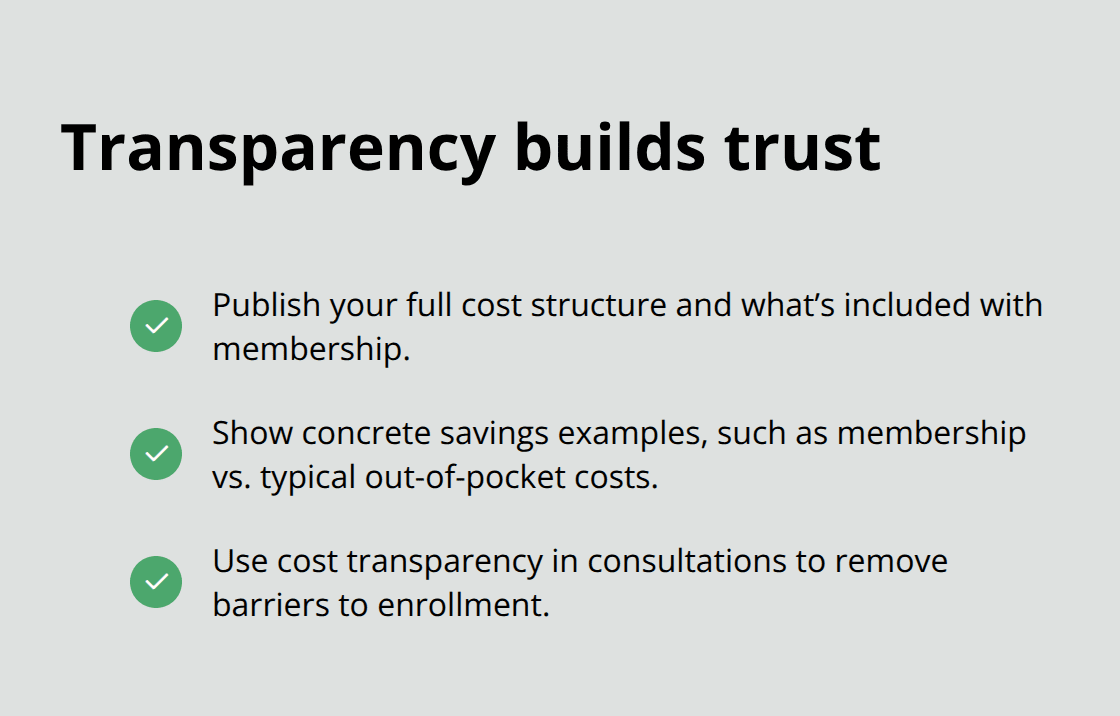
Practices that publish specific pricing information and cost comparisons to traditional insurance see higher patient satisfaction because prospects eliminate the uncertainty that typically stalls healthcare decisions. Transparent pricing also strengthens your online presence when prospects research Direct Primary Care (DPC). This transparency removes a major barrier to membership commitment and positions your practice as fundamentally different from insurance-based providers that obscure actual costs.
Final Thoughts
Direct primary care marketing succeeds when you stop thinking like a traditional healthcare business and start thinking like a membership organization. Your best marketing tool already exists in your practice-every satisfied patient who experiences same-day appointments, direct communication with their physician, and predictable costs becomes a natural advocate. These authentic voices carry far more weight than any advertisement you could purchase, which is why retention and patient satisfaction must come before aggressive acquisition.
Implementing direct primary care marketing requires consistency over months and years, not weeks. Start by claiming and optimizing your Google Business Profile completely, then commit to publishing one substantive educational post every two weeks. Request testimonials from your most satisfied members and feature them prominently on your website and social media, while sending quarterly newsletters to current members that emphasize accessibility rather than promotion. These foundational tactics compound over time as word-of-mouth referrals accelerate and your online presence strengthens.
If you’re ready to implement these strategies in your own practice, visit Mosaic Medicine Clinic to see how membership-based healthcare creates sustainable growth through authentic patient relationships.