
Direct primary care transforms how patients access healthcare by removing insurance barriers and creating direct relationships with physicians. The life cycle of direct primary care membership offers distinct phases that maximize health outcomes when navigated properly.
We at Mosaic Medicine Clinic see patients thrive when they understand each stage of their membership journey. This guide walks you through every phase to help you get the most from your healthcare investment.
What Happens During Each DPC Membership Phase
Your direct primary care membership moves through three distinct phases that shape your healthcare experience and outcomes. Each phase offers specific benefits and opportunities to optimize your health management.
Initial Enrollment Process
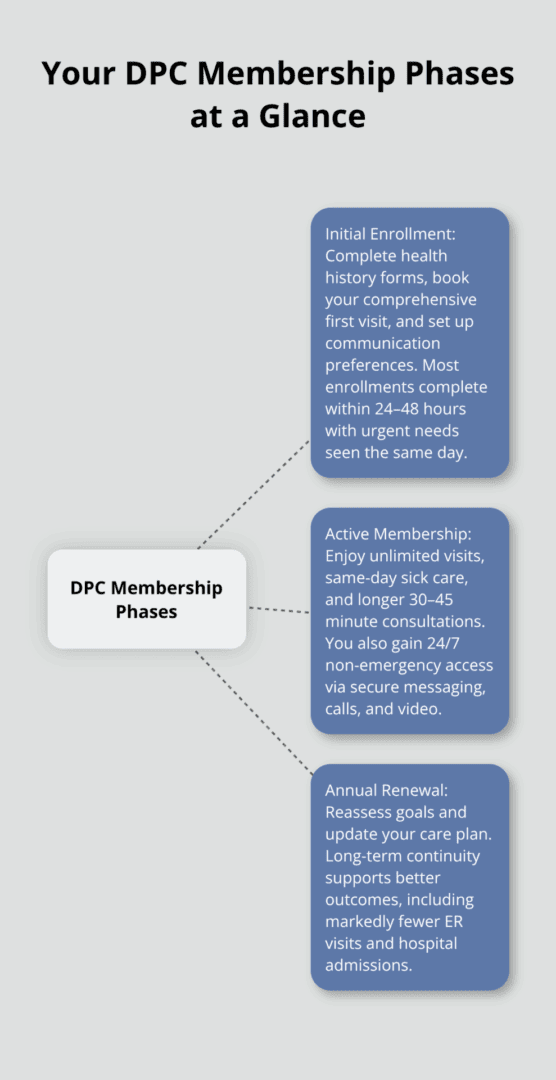
The enrollment process takes 24-48 hours and requires you to complete health history forms, schedule your initial comprehensive visit, and set up your preferred communication channels. Most patients book their first appointment within one week of enrollment, though urgent health needs receive same-day attention.
Your physician reviews your complete medical history, current medications, and health goals during onboarding. This comprehensive assessment creates the foundation for your personalized care plan and establishes clear expectations for your ongoing healthcare journey.
Active Membership Access
Members receive immediate access to unlimited office visits, same-day sick appointments, and extended consultation times that average 30-45 minutes (compared to traditional 15-minute appointments). Direct communication through secure messages, phone calls, and video consultations becomes available 24/7 for non-emergency concerns.
Your physician addresses multiple health concerns during single visits, which reduces the need for follow-up appointments. Members save an average of 20-30% on healthcare costs when they pair DPC with high-deductible health plans, according to employer utilization reports.
Annual Renewal and Planning
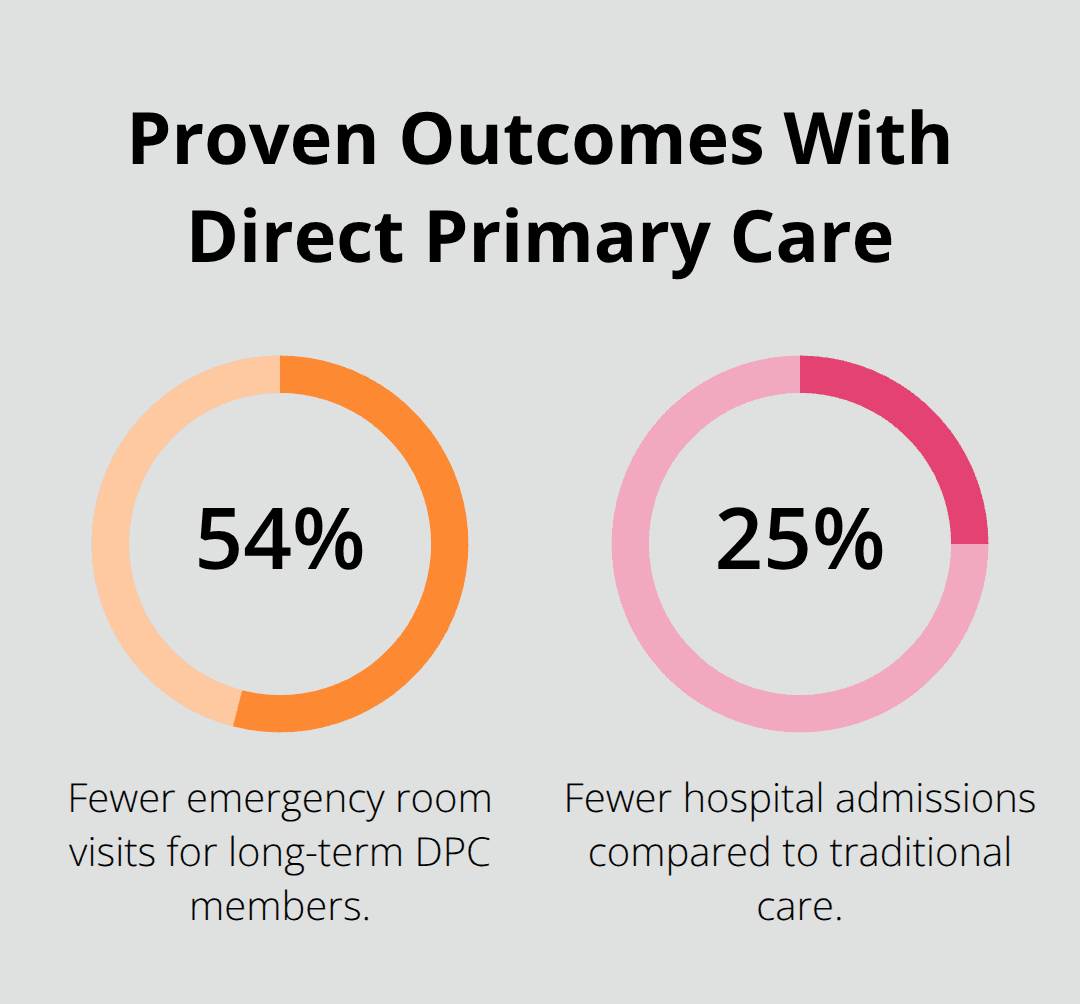
Annual membership renewal provides an opportunity to reassess your health goals and adjust your care plan based on new needs. Long-term members experience better health outcomes through consistent preventive care, with DPC practices reporting 54% fewer emergency room visits and 25% fewer hospital admissions.
Planning ahead includes coordination of specialist referrals when needed, maintenance of your preferred pharmacy relationships for discounted medications, and scheduling of routine screenings based on your age and risk factors. Members who stay enrolled for three or more years show improved management of chronic conditions and higher satisfaction scores.
These membership phases work together to create a healthcare experience that adapts to your changing needs while maintaining consistent, high-quality care throughout your journey.
How Do You Get Maximum Value From Your DPC Investment
Your direct primary care membership becomes most valuable when you actively engage with the relationship-based model and take advantage of services that traditional healthcare rarely provides. The key lies in treating your physician as a healthcare partner rather than a transactional provider, which requires a fundamental shift in how you approach medical care.
Transform Your Doctor Visits Into Strategic Health Planning
Schedule quarterly wellness visits even when you feel healthy, because these appointments identify health risks before they become expensive problems. Patients who use these visits discuss nutrition plans, exercise routines, and stress management strategies that prevent chronic diseases. Bring written questions to each appointment and use the extended consultation time to address multiple concerns in one visit.
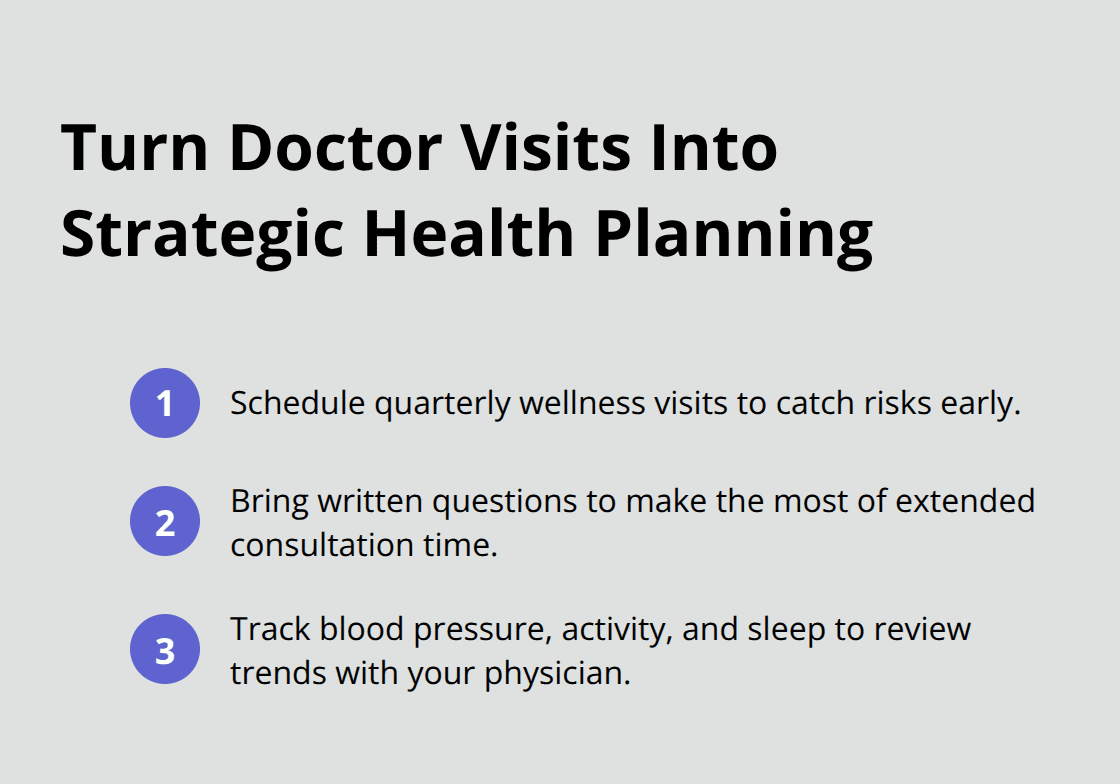
The American College of Lifestyle Medicine reports that lifestyle medicine treats, reverses, and prevents chronic conditions like type 2 diabetes, obesity, and cardiovascular disease through evidence-based approaches. Track your health metrics between visits with simple tools like blood pressure monitors or fitness trackers, then review trends with your physician to make data-driven health decisions.
Leverage Direct Communication for Real-Time Health Management
Send secure messages to your physician when symptoms first appear rather than wait for them to worsen, because early intervention prevents minor issues from becoming major health crises. Use video consultations for follow-up appointments, medication adjustments, and routine check-ins that would normally require office visits. Text or call your physician about medication side effects, travel health questions, or urgent concerns that arise outside business hours. Research shows that strong patient-physician relationships and accessible primary care can reduce unnecessary emergency department visits significantly. Set up medication reminders through your physician’s preferred communication platform and ask for prescription refills before you run out to avoid treatment interruptions.
Maximize Preventative Care Services
Take advantage of comprehensive screenings that your membership includes without additional copays or deductibles. Annual physical exams, routine blood work, and age-appropriate cancer screenings become cost-effective when bundled into your monthly membership fee. Request lifestyle counseling sessions to address weight management, smoking cessation, or chronic disease prevention before problems develop. Studies show that chronic conditions can often be prevented through healthy lifestyle choices, yet many adults don’t receive all recommended preventive services in traditional healthcare settings.
While these strategies help you extract maximum value from your membership, even the most engaged patients face challenges when transitioning from traditional healthcare models.
What Challenges Will You Face in Your DPC Transition
The transition from traditional healthcare to direct primary care creates specific friction points that catch most patients off-guard during their first six months. Your biggest adjustment involves abandoning the insurance-driven mindset where you wait for approval before seeking care. Instead of calling insurance companies or worrying about copays, you contact your physician directly for any health concern. This shift feels uncomfortable initially because patients expect restrictions that no longer exist. Start using your membership immediately rather than save it for emergencies, because unlimited access means you should address minor health issues before they become major problems.
Break Free From Insurance-Dependent Thinking
Stop asking whether services are covered and start asking whether they benefit your health, because your monthly membership fee includes most primary care services without additional charges. Traditional healthcare trains patients to avoid care due to cost concerns, but DPC membership works opposite to this model. Schedule appointments for preventive care, minor symptoms, and health optimization rather than wait for severe problems. Contact your physician about medication questions, lifestyle changes, or health concerns immediately instead of delaying care. The Medical Group Management Association found that 74% of healthcare leaders remain unaware of DPC benefits, which explains why patients struggle with this mental shift initially.
Coordinate Specialist Care and Insurance
Your DPC physician becomes your healthcare quarterback who coordinates specialist referrals and helps you navigate insurance requirements for complex care. Insurance companies still cover specialist visits, hospital stays, and emergency care exactly as they did before you joined DPC. Request referrals from your DPC physician rather than self-refer to specialists, because physician-coordinated referrals receive better scheduling priority and clearer communication. Up to 65% of patients fail to follow through with specialty referrals when not actively managed (according to care coordination studies). Ask your DPC physician to contact specialists directly about your case and request copies of all specialist reports to maintain continuity of care.
Manage Your Healthcare Budget
DPC membership fees range from $55 to $150 monthly for individuals, with family plans typically costing $300 or less per month, making budget planning straightforward compared to unpredictable traditional healthcare costs. Pair your DPC membership with high-deductible health plans to achieve 20-30% overall healthcare savings while maintaining coverage for major medical events. The One Big Beautiful Bill Act allows HSA-eligible patients to use pre-tax dollars for DPC membership fees starting January 2026 (with contribution limits of $150 for individuals and $300 for families). Calculate your total healthcare costs including DPC membership, high-deductible insurance premiums, and potential out-of-pocket expenses to compare against traditional insurance options accurately.
Final Thoughts
The life cycle of direct primary care membership delivers compounding health benefits that grow stronger with each year of enrollment. Long-term members experience 54% fewer emergency room visits and 25% fewer hospital admissions compared to traditional healthcare patients.
Your investment pays dividends through consistent preventive care, immediate access to your physician, and comprehensive health management that prevents costly medical crises.
Active engagement with your membership from day one maximizes value and transforms your healthcare experience. Schedule regular wellness visits, use direct communication channels for minor concerns, and treat your physician as a healthcare partner rather than a transactional provider. Members who stay enrolled for three or more years show improved chronic disease management and higher satisfaction scores.
Your next step involves choosing a DPC practice that aligns with your health goals and communication preferences. We at Mosaic Medicine Clinic provide membership-based healthcare with unrushed appointments, direct physician access, and transparent pricing (including labs and medications). Start your DPC journey by scheduling a consultation to discuss how this model transforms your healthcare experience and supports your long-term wellness objectives.