
Your body sends clear signals when hormones fall out of balance, but many people miss these warning signs. Hormone imbalance affects millions of Americans, causing symptoms that range from weight gain to mood swings.
We at Mosaic Medicine Clinic see patients daily who’ve struggled with unexplained fatigue, sleep problems, and emotional changes for months or years. The good news is that recognising these patterns early can lead to effective treatment and restored well-being.
Common Physical Signs of Hormone Imbalance
Your metabolism shifts without warning when hormones stop working properly. Weight gain becomes stubborn despite maintaining the same diet and exercise routine, with many patients gaining 10-20 pounds over six months. Thyroid dysfunction affects metabolism dramatically, with thyroid hormone serving as an endogenous modulator that may affect disease prognosis.
Unexplained Weight Changes and Difficulty Losing Weight
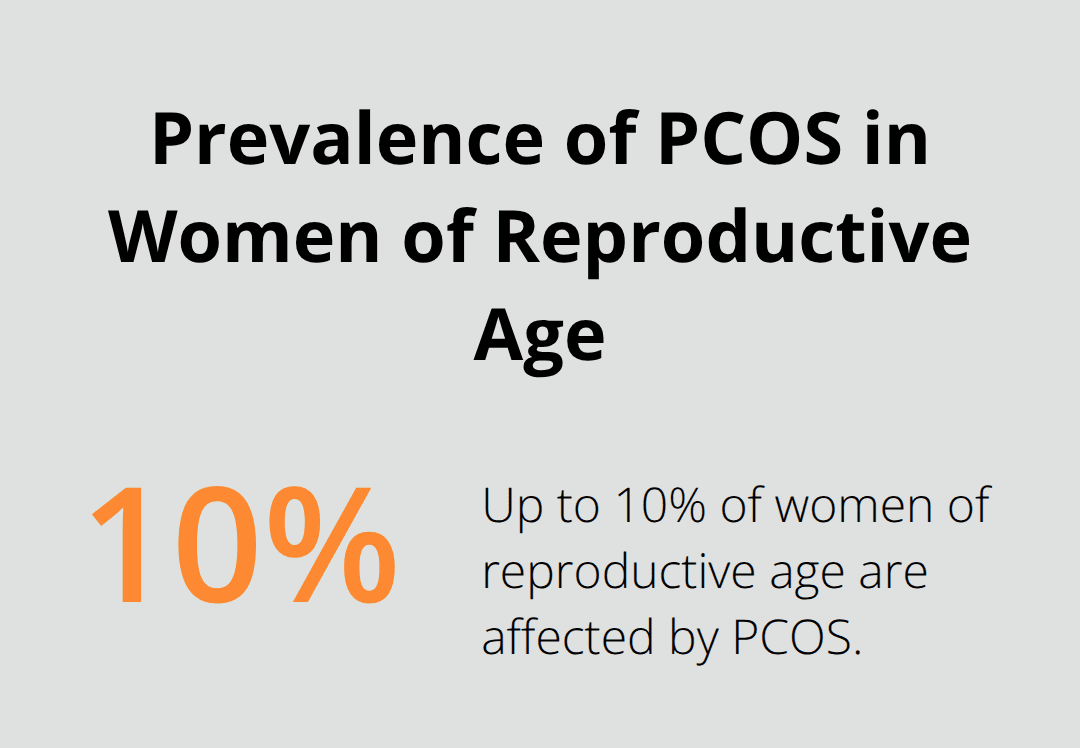
Women with PCOS face additional challenges, as insulin resistance makes weight loss nearly impossible through traditional methods. The condition affects 5-10 percent of women of reproductive age and creates a perfect storm for weight gain.
Men experience similar struggles when testosterone levels drop below normal ranges. Low testosterone reduces muscle mass and increases fat accumulation, particularly around the waist. These changes happen gradually but become noticeable within 3-6 months of hormone decline.
Persistent Fatigue and Low Energy Levels
Deep exhaustion hits differently than normal tiredness. Patients describe feeling drained even after eight hours of sleep, struggling to complete daily tasks that once felt effortless. Low thyroid hormone levels cause this profound fatigue in approximately 5 percent of Americans, according to the American Thyroid Association.
High cortisol from chronic stress compounds the problem and creates a cycle where your adrenal glands work overtime. Many people mistake this for aging or stress, but hormone testing reveals the real culprit within weeks. The fatigue persists regardless of caffeine intake or lifestyle changes until hormone levels return to normal ranges.
Sleep Disturbances and Insomnia Patterns
Hormone disruption destroys sleep quality in specific patterns that doctors recognize immediately. Progesterone deficiency prevents deep sleep stages, while elevated cortisol keeps your mind racing at 3 AM. Hot flashes wake women every 90 minutes during menopause and fragment sleep cycles completely.
Sleep disturbances increase in prevalence during the menopausal transition, with the most common complaint being nighttime awakenings. Men with low testosterone also report frequent nighttime awakenings and difficulty falling back asleep. These patterns persist for months until hormone levels stabilize through proper treatment.
Physical symptoms often mask deeper emotional and mental health changes that hormone imbalance creates.
Emotional and Mental Health Indicators
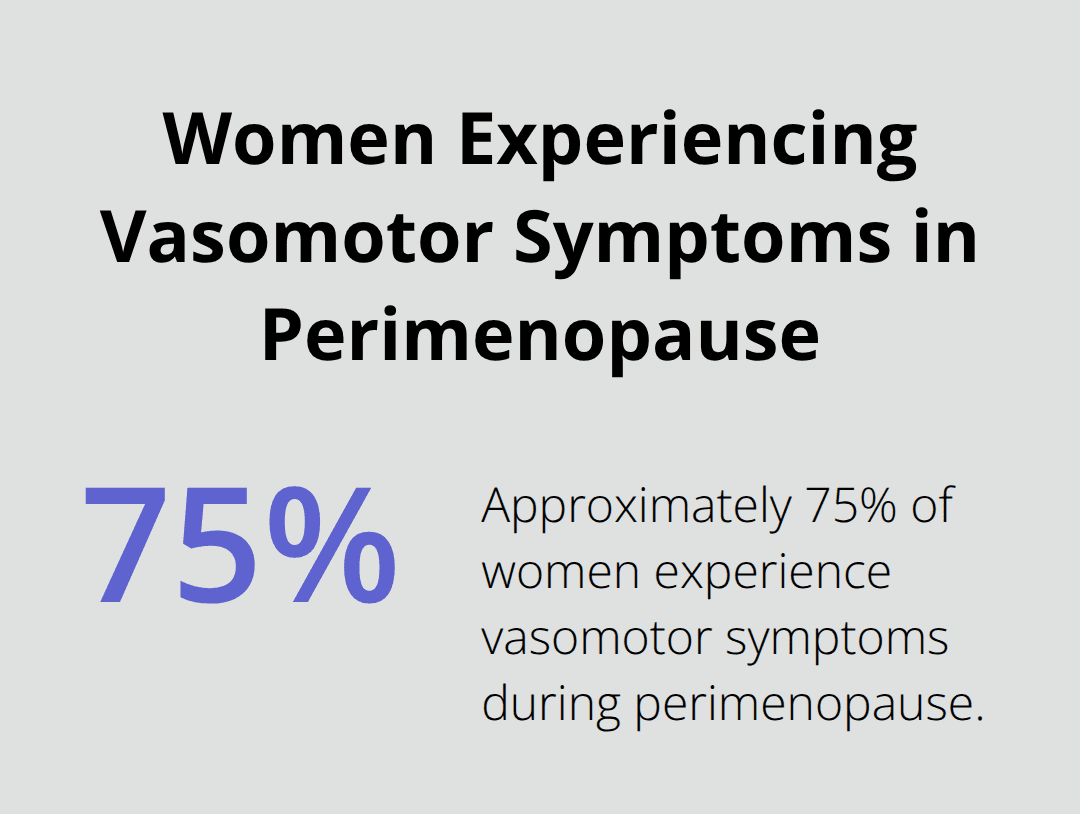
Hormone imbalance attacks your emotional stability in ways that catch most people off guard. Estrogen fluctuations trigger sudden mood swings that transform pleasant conversations into heated arguments within minutes. Women report they feel like strangers in their own bodies during perimenopause, with approximately 75% experiencing vasomotor symptoms of varying severity.
Low testosterone creates persistent irritability in men over 40, making simple daily frustrations feel overwhelming. Cortisol elevation from chronic stress amplifies every emotional response, turning minor setbacks into major crises that linger for hours.
Mood Swings and Increased Irritability
Hormonal shifts create emotional volatility that feels completely out of character. One moment you feel calm and collected, the next you explode over minor inconveniences that normally wouldn’t bother you. Progesterone deficiency removes your natural emotional buffer, leaving you reactive to situations that once rolled off your back.
Testosterone decline in men produces similar effects, with irritability spiking during afternoon hours when hormone levels naturally dip. These mood changes strain relationships and create workplace tension that compounds the underlying stress.
Anxiety and Depression Symptoms
Hormone disruption creates anxiety symptoms that mimic panic disorders but respond differently to traditional treatments. Thyroid dysfunction affects approximately 20 million Americans and triggers racing thoughts, heart palpitations, and constant worry about everyday situations.
Low progesterone removes your natural calming mechanism, leaving your nervous system in perpetual overdrive. Depression symptoms emerge when estrogen drops below optimal levels, affecting serotonin production in ways that antidepressants alone cannot fix. Patients often try multiple medications without success, only to find relief once hormone levels normalize through targeted therapy.
Brain Fog and Memory Issues
Mental clarity disappears like a thick wall that makes simple tasks feel impossible. Patients describe forgetting familiar words mid-sentence, losing track of conversations, and struggling to complete work projects that once felt effortless.
Low thyroid hormone reduces cognitive processing speed significantly. Memory problems worsen during menopause when estrogen levels plummet, affecting both short-term recall and the ability to form new memories. Men with testosterone deficiency report similar cognitive decline, particularly with spatial reasoning and problem-solving abilities that directly impact job performance.
These mental and emotional changes often coincide with specific life stages where hormonal shifts become more pronounced.
Age-Related Hormone Changes to Watch For
Age brings predictable hormone shifts that create distinct symptom patterns most doctors recognize immediately. Women enter perimenopause around age 45 and experience estrogen fluctuations that trigger irregular periods, hot flashes, and sleep disruption for 2-8 years before menopause arrives. The North American Menopause Society reports that 52 is the average age for menopause in the United States, with symptoms that last an average of 7.4 years.
Perimenopause and Menopause Symptoms in Women
Perimenopause symptoms often start subtly but escalate quickly without intervention. Periods become unpredictable and arrive every 21 days or stretch to 45-day cycles that leave women in constant uncertainty. Hot flashes strike 75 percent of women during this transition, wake them multiple times nightly, and disrupt work presentations during daytime episodes.
Weight gain accelerates despite unchanged habits, with most women who add 5-10 pounds annually during the perimenopausal years. Night sweats soak through clothes and bedding, force complete wardrobe changes at 2 AM, and fragment sleep cycles completely.
Low Testosterone Signs in Men Over 40
Male testosterone drops 1-2 percent annually after age 30 and creates noticeable symptoms by the mid-40s that affect both physical and mental performance. Energy crashes hit hardest during afternoon hours when testosterone naturally dips and make 3 PM feel like midnight regardless of sleep quality.
Muscle mass decreases while belly fat accumulates, even with consistent exercise routines that previously maintained lean physiques. Libido declines gradually but persistently, affects relationships and self-confidence in ways that compound over months. Memory problems emerge during high-stress situations when cognitive demands exceed hormonal support systems.
Thyroid Function Changes with Age
An estimated 20 million Americans have some form of thyroid disease, with up to 60 percent of those affected unaware of their condition. Hypothyroidism develops slowly and creates fatigue that patients attribute to normal decline until blood tests reveal the truth.

Cold intolerance becomes pronounced and requires sweaters in 75-degree rooms while others feel comfortable. Hair loss accelerates beyond typical age-related changes, with eyebrow loss that serves as a telltale sign that thyroid function needs immediate evaluation.
Taking Action for Better Hormonal Health
Hormone imbalance symptoms persist and worsen without proper medical intervention. Schedule testing when you experience three or more symptoms for longer than six weeks, particularly if they interfere with work performance or relationships. Blood tests reveal hormone levels within days and provide clear answers about thyroid function, testosterone, estrogen, and cortisol patterns.
We at Mosaic Medicine Clinic understand that traditional healthcare often rushes through hormone concerns in 15-minute appointments. Our Direct Primary Care model provides thorough consultations where we evaluate your symptoms and create personalized treatment plans. Members receive direct access to physicians and benefit from wholesale lab prices (which make comprehensive hormone testing more affordable).
Don’t wait for symptoms to resolve naturally. Hormone problems compound over time and create additional health complications when left untreated. Contact Mosaic Medicine Clinic today to discuss your symptoms and explore treatment options that restore your energy, mood, and overall well-being.