Choosing the perfect healthcare provider shapes your entire medical experience and long-term wellness outcomes. The wrong match can lead to frustration, delayed care, and missed health opportunities.
We at Mosaic Medicine Clinic understand that Bradenton healthcare offers numerous options, from traditional practices to innovative membership models. Each approach serves different patient needs and preferences.
What Do You Really Need From Healthcare?
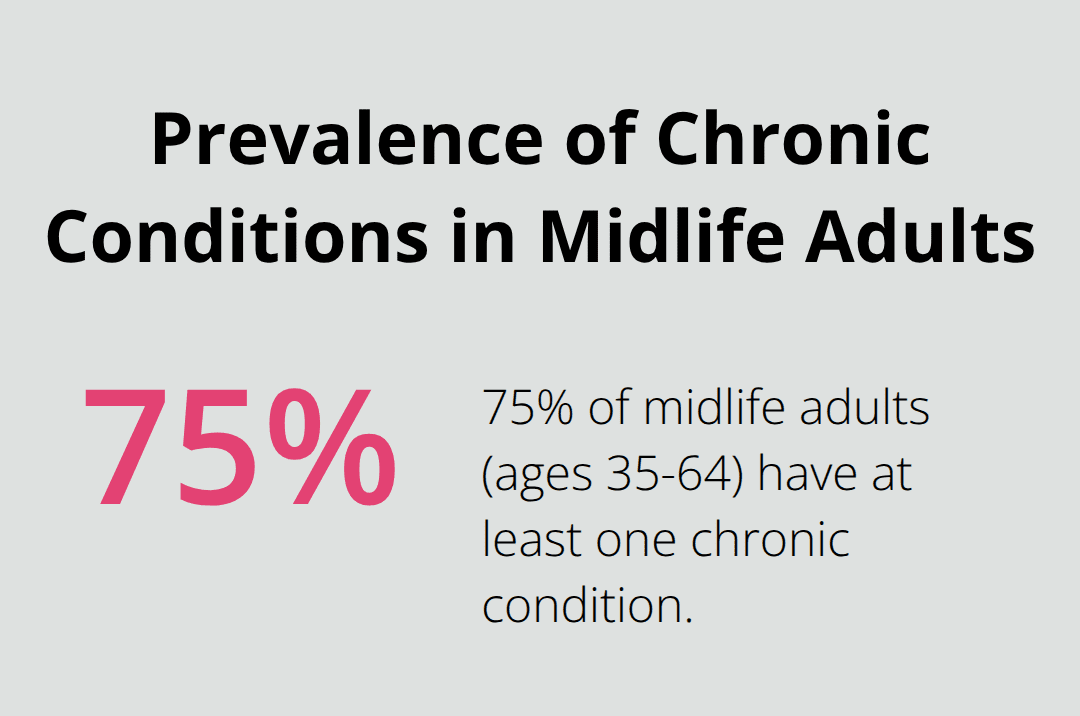
Start with an honest assessment of your health reality. Document your current medications, existing conditions, and family medical history in one comprehensive list. Among midlife adults ages 35-64, more than 75% have at least one chronic condition according to the CDC, which makes this inventory more important than most people realize.
Include specialists you see regularly, symptoms that recur, and any conditions that run in your family. This baseline becomes your roadmap for compatible care.
Communication Preferences Shape Your Experience
Your communication style directly impacts health outcomes. Some patients thrive with detailed explanations and frequent check-ins, while others prefer concise updates and minimal contact. Studies show patients who match their preferred communication style with their provider have 40% better medication adherence rates.
Consider whether you want same-day responses to messages, prefer phone calls over patient portals, or need evening and weekend availability. Traditional practices often limit communication to office hours, while Direct Primary Care models offer direct physician access through multiple channels.
Appointment Frequency Varies by Health Status
Factor in how often you need medical attention. Preventive patients might need quarterly visits, while those who manage chronic conditions often require monthly touchpoints. Your health complexity determines the level of access you need from your provider.
Insurance Versus Membership Models Change Everything
Traditional insurance-based care averages $2,400 annually per person in premiums plus copays and deductibles. Compare this against Direct Primary Care memberships that typically run $50-150 monthly with no additional fees for visits, basic procedures, or communication.
Calculate your total healthcare costs from the past two years (include premiums, copays, deductibles, and out-of-network expenses). High-deductible plan holders often find membership models more predictable and affordable, especially when combined with catastrophic coverage for major medical events.
Insurance networks also limit provider choice, while DPC practices offer unrestricted access to your chosen physician. These financial and access differences become the foundation for evaluating different healthcare models available in Bradenton.
Which Healthcare Model Fits Your Lifestyle
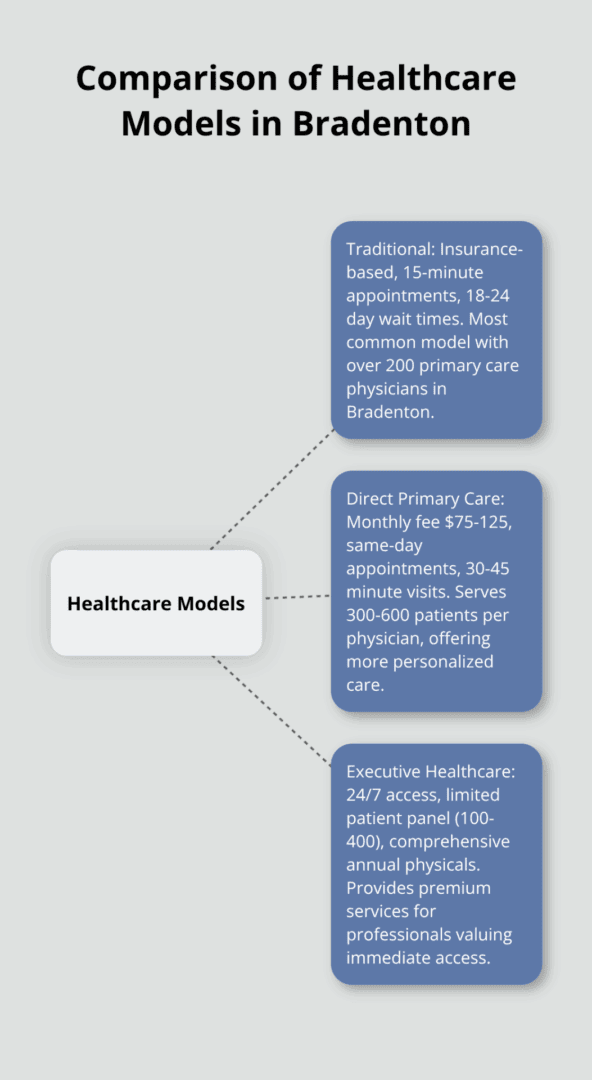
Bradenton offers three distinct healthcare approaches, each with different cost structures and access levels. Traditional insurance-based practices dominate the market with over 200 primary care physicians who accept various insurance plans, but these providers average just 15 minutes per appointment due to volume pressures. Patients typically wait 18-24 days for routine appointments and face additional copays that range from $25-50 per visit on top of monthly premiums.
Traditional Practices Follow Insurance Rules
Most Bradenton physicians operate within insurance networks, which means your coverage determines available providers and services. These practices handle 25-30 patients daily, which limits meaningful relationship development. Insurance authorization requirements often delay care, and many services require separate specialist referrals that extend treatment timelines. However, these practices offer the widest acceptance of insurance plans and typically provide the most comprehensive specialist networks in the region.
Membership Models Change the Game Completely
Direct Primary Care practices operate outside insurance constraints and charge a flat monthly fee between $75-125 per adult. Members receive same-day or next-day appointments, direct physician communication via text and email, and appointments that last 30-45 minutes instead of the typical 15-minute rush. These practices serve 300-600 patients per physician compared to 2,000-3,000 in traditional models, which creates space for genuine relationships and proactive care.
Executive Healthcare Targets High-Demand Professionals
Concierge medicine provides enhanced services that include 24/7 physician access, same-day appointments, and comprehensive annual physicals that last 2-3 hours. These practices limit patient panels to 100-400 individuals and provide white-glove service for professionals who value immediate access and premium amenities. Executive healthcare often includes additional services like nutrition counseling, advanced diagnostic testing, and coordination with top specialists nationwide.
Each model serves different priorities and budgets, but your choice impacts more than just cost. The provider credentials, location convenience, and community reputation within your chosen model will determine your actual healthcare experience.
What Really Matters When Selecting Your Provider
Location determines your healthcare consistency more than most people realize. Studies show that distance and travel time can impact healthcare service access, particularly for residents in rural and remote areas. Choose a practice within 15 minutes of your home or workplace to avoid the temptation to skip routine visits. Bradenton’s traffic patterns mean practices on your side of the Manatee River offer significantly better access during peak hours.
Consider parking availability, public transportation options, and whether the facility accommodates patients with mobility challenges. Practices with multiple locations provide backup options when your preferred site faces schedule constraints.
Board Certification Separates Qualified From Exceptional
Never compromise on board certification in family medicine or internal medicine. The American Board of Medical Specialties maintains public records of every physician’s certification status, which you can verify online. Board-certified physicians complete rigorous tests every 10 years and maintain education requirements that non-certified doctors avoid.
Look for additional specialty training in areas that match your health needs. Family medicine physicians with sports medicine certification better serve active patients, while those with geriatrics training excel with older adults. Experience matters significantly – physicians with 10-15 years of practice typically provide the optimal balance of current knowledge and clinical wisdom.
Patient Reviews Reveal Practice Culture
Healthgrades, Zocdoc, and Google Reviews provide unfiltered insights into actual patient experiences. Focus on reviews that mention appointment punctuality, staff responsiveness, and whether physicians listen thoroughly during visits. Patterns matter more than individual complaints – multiple reviews that cite rushed appointments or difficulty to reach the practice signal systemic problems.
Pay attention to how practices respond to negative reviews, as this indicates their commitment to patient satisfaction. Practices with consistently high ratings across multiple platforms demonstrate reliable quality.
Staff Quality Affects Your Experience
Front desk efficiency and nurse competence directly impact your care quality. Observe how staff members interact with patients during your initial visit (both in person and over the phone). Professional staff return calls promptly, handle insurance questions accurately, and maintain organized patient records. Practices with high staff turnover often struggle with consistency and patient relationship continuity.
When evaluating providers, consider whether they offer same-day appointments for urgent needs, as this flexibility can be crucial for busy families. Additionally, explore direct primary care options that provide transparent pricing and enhanced access to your healthcare provider.
Final Thoughts
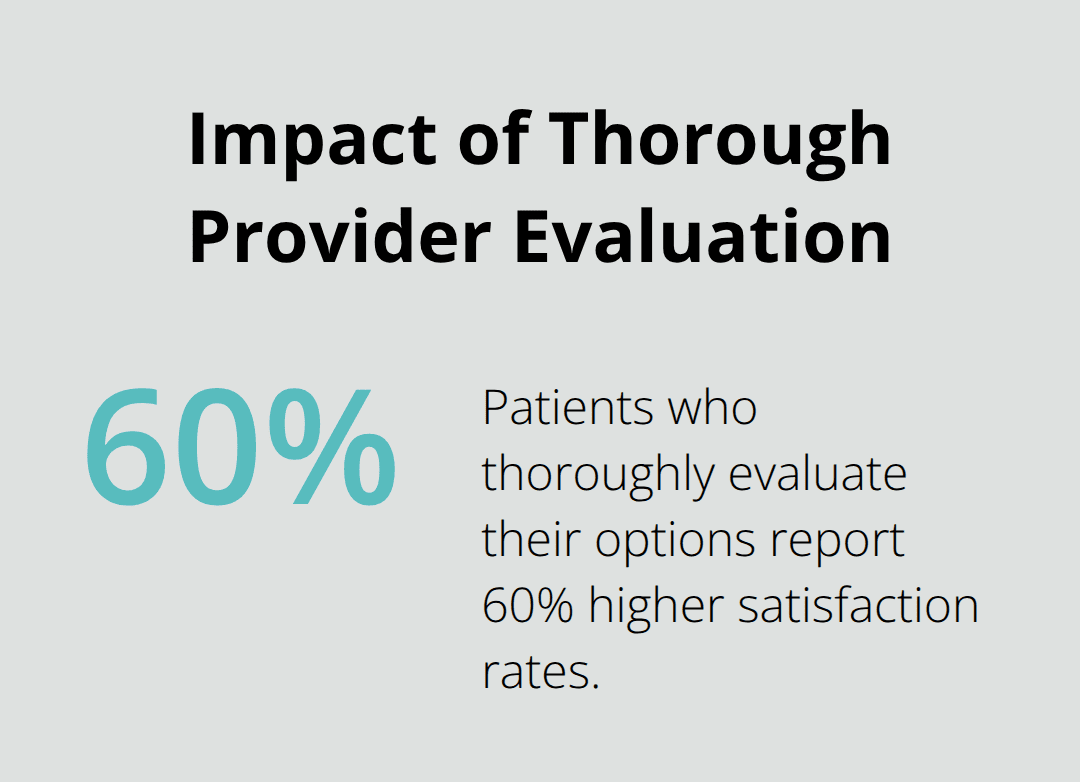
Your healthcare provider choice impacts every aspect of your medical experience, from routine checkups to urgent care needs. The selection criteria we’ve covered form the foundation for finding your ideal match in Bradenton healthcare. Patients who thoroughly evaluate their options report 60% higher satisfaction rates and better health outcomes compared to those who choose hastily.
Start your search by listing your top three priorities from our discussion. Contact practices that align with these needs and schedule brief consultations to assess compatibility. Ask specific questions about appointment availability, communication methods, and cost transparency during these meetings (this prevents costly provider switches later).
For families who seek personalized care with direct physician access, consider exploring membership-based healthcare models that prioritize relationship development over volume. These practices often provide the comprehensive attention and accessibility that traditional insurance-based models struggle to deliver. Your perfect healthcare match exists in Bradenton – the key lies in matching your specific needs with the right practice model and provider credentials.