
![Breaking the Silence on Erectile Dysfunction [Men's Health Guide]](https://getmosaicmed.com/wp-content/uploads/emplibot/ed-treatment-hero-1760659690.jpeg)
Erectile dysfunction affects 30 million American men, yet most suffer in silence. The shame and embarrassment prevent many from seeking help when effective solutions exist.
We at Mosaic Medicine Clinic see men regain their confidence through proper ED treatment every day. This guide breaks down the real causes, proven treatments, and when professional help makes the difference.
What Really Causes Erectile Dysfunction
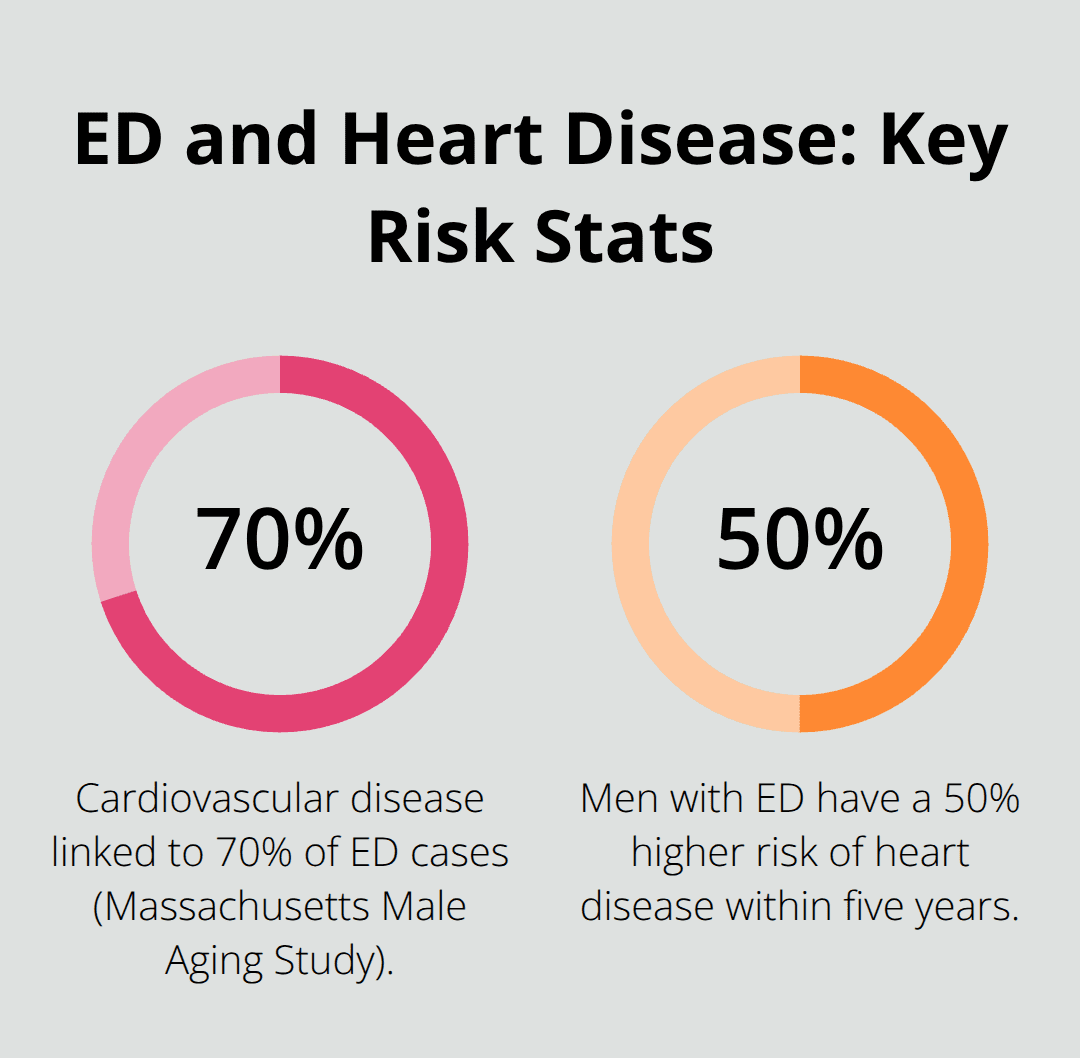
Cardiovascular disease stands as the primary cause of erectile dysfunction, affecting 70% of men with ED according to the Massachusetts Male Aging Study. The connection runs deeper than most realize – men with ED face a 50% higher risk of heart disease within five years.
High blood pressure damages the delicate blood vessels in the penis, while diabetes affects 35% to 50% of the 10.9 million diabetic men in America with ED symptoms. Neurological disorders, hormonal imbalances, and certain medications (including antidepressants and blood pressure drugs) create additional pathways to sexual dysfunction.
The Lifestyle and Risk Factors That Change Everything
Smoking doubles your ED risk by constricting blood vessels and reducing nitric oxide production. Men who carry excess weight around their midsection face stark numbers – those with a 42-inch waistline show 50% higher ED rates than men with 32-inch waists.
Physical inactivity compounds these issues, while research demonstrates that regular daily walking can help improve erectile function. Excessive alcohol consumption disrupts hormone production and nerve function, creating a cascade of sexual health problems that worsen over time.
Age and the Numbers That Matter
ED prevalence climbs predictably with age – 40% of men at age 40, rising to 70% by age 70. However, age alone doesn’t cause ED. The real culprit lies in accumulated chronic health conditions that develop over decades.
Performance anxiety affects younger men disproportionately, and broader mental health concerns can also affect erectile function by creating psychological barriers that persist without proper intervention. Chronic stress can further disrupt hormones and blood flow, illustrating how stress levels affect sexual performance for many men. Aging may also reduce sexual desire, even though other aspects of sexual function can vary widely between men. The global ED population will reach 322 million by 2025 (driven primarily by rising diabetes and cardiovascular disease rates rather than natural aging processes).
Understanding these root causes points directly to the next critical question: what treatment options actually work to address these underlying issues?
What Erectile Dysfunction Treatment Options Actually Deliver Results
Oral medications lead the treatment landscape with sildenafil, tadalafil, and vardenafil showing 70-85% success rates in clinical trials. Tadalafil stands out with its 36-hour effectiveness window, making it the preferred choice for many men who want flexibility without planning around medication timing. These PDE5 inhibitors increase blood flow and improve penile blood flow during arousal, but they still require sexual stimulation and healthy blood vessels to work properly.
The Lifestyle Changes That Work Fast
Research shows that weekly exercise of 160 minutes for 6 months contributes to decreasing erectile problems in men with ED caused by physical inactivity. Building these evidence-based self-care habits into daily life also supports long-term cardiovascular and sexual health. Weight loss shows dramatic results – men who lose just 10% of their body weight see significant improvement in erectile function within six months.

Smoking cessation produces measurable benefits within 2-6 months for men with mild ED, while those with severe vascular damage may need longer recovery periods. Diet modifications focusing on fruits, vegetables, and whole grains while reducing processed foods can improve vascular health within 3-4 months.
Advanced Options When First-Line Treatments Fail
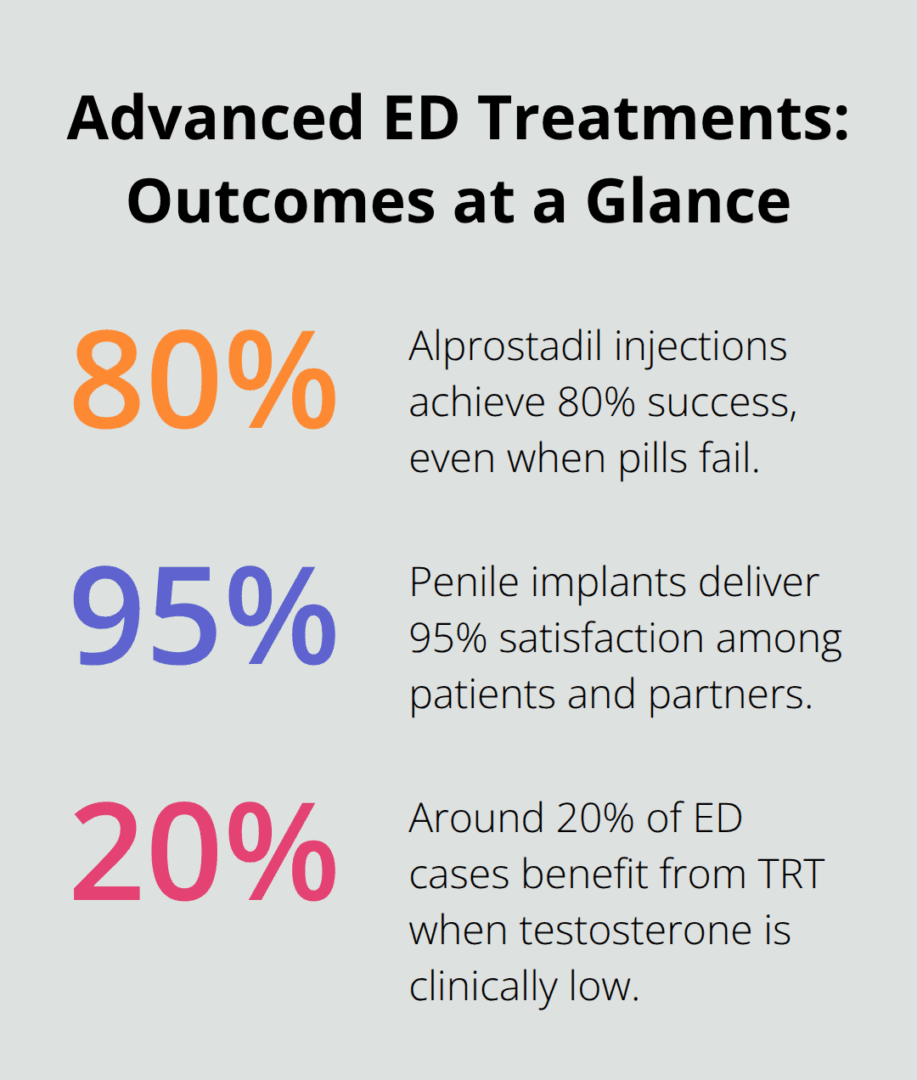
Penile injections using alprostadil achieve 80% success rates, even in men who don’t respond to oral medications, though they can cause a prolonged erection and, if it does not resolve, a painful erection. A vacuum erection device is a noninvasive option when oral medications are ineffective or unsuitable. Low-intensity shockwave therapy, including options like GAINSWave therapy for men’s sexual health, shows promise in clinical studies, with 60-70% of men reporting improved function after 6-12 sessions (though results may take up to two months to appear).
A penile implant is a surgical treatment when other therapies fail, delivering 95% satisfaction rates among patients and partners according to American Urological Association data. Penile prostheses come in inflatable and malleable forms. Testosterone replacement therapy benefits the 20% of ED cases linked to clinically low testosterone levels, but testing is essential since normal testosterone levels won’t improve with supplementation, and many men can also support hormone balance through natural strategies to boost testosterone.
When Psychological Factors Play a Role
Performance anxiety affects younger men disproportionately and often responds well to counseling or therapy, especially when broader mental health concerns or low testosterone–related mood and motivation changes are part of the picture. Stress management techniques and relationship counseling can address underlying psychological contributors, including relationship problems that strain a couple’s sexual relationship, which medications alone cannot fix.
Sex therapy specialists work with couples over several months to rebuild confidence and communication patterns, often by involving the sexual partner and helping restore sexual intimacy. These interventions prove particularly effective when combined with medical treatments (creating a comprehensive approach that addresses both physical and mental aspects).
Counseling can also improve sexual satisfaction and support a healthier sex life while medical treatment is ongoing. While these treatment options offer hope, knowing when to seek professional help can make the difference between years of frustration and rapid improvement.
When Should You See a Doctor About ED
Most men wait 2-3 years before they seek medical help for erectile dysfunction (ED), but persistent symptoms of erectile dysfunction can point to an underlying health condition, and certain warning signs demand immediate attention. Sudden onset ED without gradual progression could signal serious cardiovascular problems or neurological issues that require urgent evaluation, though many effective options can treat erectile dysfunction once the cause is identified. The American Heart Association reports that men with ED face twice the risk of heart attack, stroke, or cardiovascular death within five years, which makes early medical consultation a potentially life-saving decision.
2.1 Erectile Dysfunction Symptoms and Red Flags That Require Immediate Care
ED accompanied by chest pain, shortness of breath, dizziness, or leg pain during physical activity often indicates blocked arteries that supply both the heart and penis. These symptoms warrant emergency medical evaluation since they may signal imminent cardiovascular events. Men who experience complete loss of morning erections, loss of nocturnal erections, or inability to achieve any firmness should also seek prompt medical attention.
2.2 What Happens During Your Medical Evaluation to Diagnose Erectile Dysfunction
Your first appointment will include a comprehensive medical history that frames erectile dysfunction as one form of male sexual dysfunction and evaluates both physical and psychological causes, with attention to cardiovascular risk factors, diabetes screening, and medication review. The doctor will perform a physical examination that checks blood pressure, heart rate, and genital area for anatomical issues, signs of poor circulation, or structural problems such as peyronie’s disease.
Blood tests typically measure testosterone levels, blood sugar, cholesterol, and thyroid function (results available within 24-48 hours at most clinics). Some prescription drugs and certain over the counter drugs or supplements can worsen erectile problems, so they should also be reviewed during evaluation. The Massachusetts Male Aging Study surveyed 1,709 men aged 40–70 years between 1987 and 1989, so this systematic approach identifies root causes rather than just treats symptoms.
Advanced Testing When Initial Tests Fall Short
Your physician may recommend a nocturnal penile tumescence test or ultrasound to assess sexual function and blood flow, particularly if oral medications prove ineffective. In some cases, they may also discuss shockwave therapy benefits beyond ED when evaluating options for vascular or chronic pain issues that overlap with sexual health. Normal or absent nocturnal erections can help distinguish psychological causes from physical ones. These tests help distinguish between psychological and physical causes of ED. Doppler ultrasound can reveal specific blood vessel problems that guide treatment decisions. These studies can also evaluate penile blood flow and other aspects of the erectile response.
The Right Questions That Get Results
Ask your doctor about your cardiovascular risk profile and whether ED indicates underlying heart disease or vascular disease that requires immediate intervention. For men over 50, questions about maintaining overall men’s health after 50 can help align ED treatment with broader prevention goals. Ask which options may best fix erectile dysfunction based on your age, health status, and ED severity, since generic statistics don’t apply to individual cases.
Discuss timeline expectations for different treatment options since some men see improvement within days while others need months for lifestyle changes to take effect. Talk about treatment goals around returning comfortably to sexual activity. Direct conversations about treatment goals and realistic outcomes lead to better patient satisfaction and treatment adherence.
Most men try natural approaches first, but certain warning signs require professional medical evaluation regardless of personal preferences for natural remedies. The same is true for women, who benefit from understanding why female health matters more than ever and scheduling a complete female health check when concerns arise.
Final Thoughts
Erectile dysfunction affects millions of men, but silence and shame prevent most from seeking the help they need. The statistics show clear patterns – cardiovascular disease causes 70% of ED cases, while lifestyle factors like smoking and obesity dramatically increase risk. These numbers point to one reality: ED treatment works best when it addresses root causes rather than just symptoms.
The path forward starts with honest conversations with healthcare providers who understand the connection between sexual health and overall wellness for both men and women, including the common female health issues every woman should know. Men who seek help within the first year of symptoms show better treatment outcomes than those who wait years to address the problem. Professional medical care can restore both physical function and personal confidence.
We at Mosaic Medicine Clinic provide comprehensive men’s health services that make discussing sensitive health topics easier and more effective. Our approach focuses on proper diagnosis, targeted treatment, and ongoing support (creating the foundation for long-term sexual health improvement). The combination of medical expertise and personalized care extends benefits far beyond the bedroom.