
Finding a women’s fitness program that actually fits your life is harder than it should be. Most programs treat all bodies the same, ignoring the unique needs women face around hormones, bone health, and pelvic floor strength.
At Mosaic Medicine Clinic, we believe women’s fitness programs in 2025 should be built around your specific goals and schedule, not generic templates. This guide walks you through what makes these programs different and how to pick one that works for you.
Best Wellness Programs for Women’s Weight Loss 2025 2026: Why Your Body Responds Differently to Fitness
Hormonal Cycles and Metabolic Health Shape Your Training Response
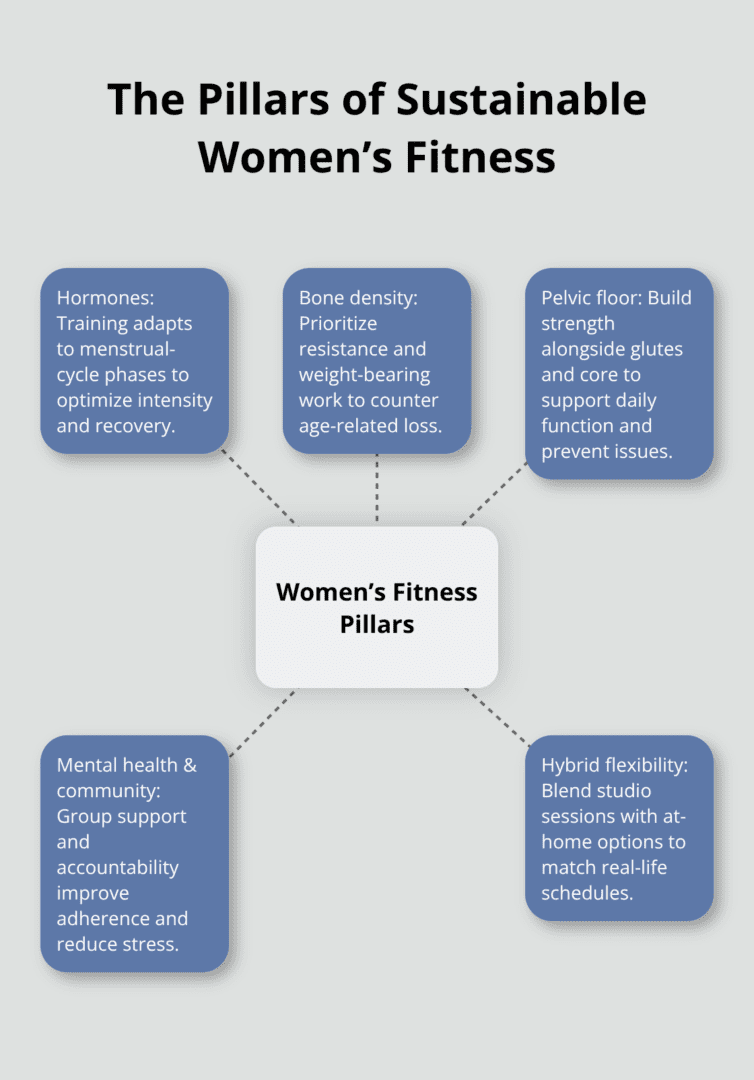
Women’s bodies handle training stress in ways that generic fitness programs completely miss. Hormonal fluctuations across your menstrual cycle directly influence how your muscles recover, how hard you can push, and which types of exercise deliver the best results, and they often intersect with common female health issues like hormonal imbalance, thyroid conditions, and PCOS. During the follicular phase, your estrogen levels rise, which means your body handles higher-intensity work more efficiently and recovers faster. During the luteal phase, your body burns more calories at rest but needs longer recovery windows. A 2025 fitness program designed for women accounts for these shifts rather than treating every day the same. This isn’t theoretical-it changes what you should actually do on Tuesday versus Thursday.
Bone Density and Pelvic Floor Strength Require Specific Training
Women face distinct health priorities that strength training directly addresses. Bone density loss accelerates after menopause, making weight-bearing and resistance exercises non-negotiable rather than optional. The World Health Organization recommends 150 to 300 minutes of moderate-intensity aerobic activity weekly plus muscle-strengthening activities at least twice weekly for all adults, but women over 40 need to prioritize the strength component aggressively. Pelvic floor strength matters too, and many women don’t realize that certain high-impact movements can weaken this critical area if done without proper preparation. A program built for women includes exercises that strengthen your pelvic floor alongside your glutes and core, not as an afterthought.
Mental Health, Community, and Support System Drive Long-Term Success
Mental health benefits from fitness hit differently when a program acknowledges what’s actually stressing you. Women managing multiple roles-work, family, caregiving-need fitness options that fit irregular schedules, not rigid class times. Community matters enormously. Integrated support is crucial for success in weight loss programs, and behavior coaching can improve outcomes by strengthening adherence over time. A strong support system helps turn motivation into lasting behavior change. Research consistently shows that support groups and built-in support communities in online programs can improve long-term adherence far more than solo home workouts. Small-group strength classes around 30 minutes deliver personalized attention in a social setting, making consistency easier to maintain. Programs with live coaching retain up to 70% of clients at 6 months, and effective options often include registered dietitians and coaches through group coaching. Hybrid programs combining in-studio sessions with at-home options solve the scheduling problem without sacrificing the community element and complement evidence-based self-care strategies for improving overall health. Weight Watchers meetings and Noom support communities are two familiar accountability models women often recognize.
What This Means for Your Sustainable Weight Loss Fitness Choice
When a fitness program addresses hormonal realities, bone health, pelvic floor function, and the mental health boost that comes from fitting movement into your actual life, you stop treating fitness as punishment and begin honoring why comprehensive female health care matters so much. Instead, you treat it as something you can sustain for decades. This foundation matters as you evaluate which specific programs align with your lifestyle and goals.
What Women Are Actually Training for in 2025
Strength Training Replaces Cardio as the Priority
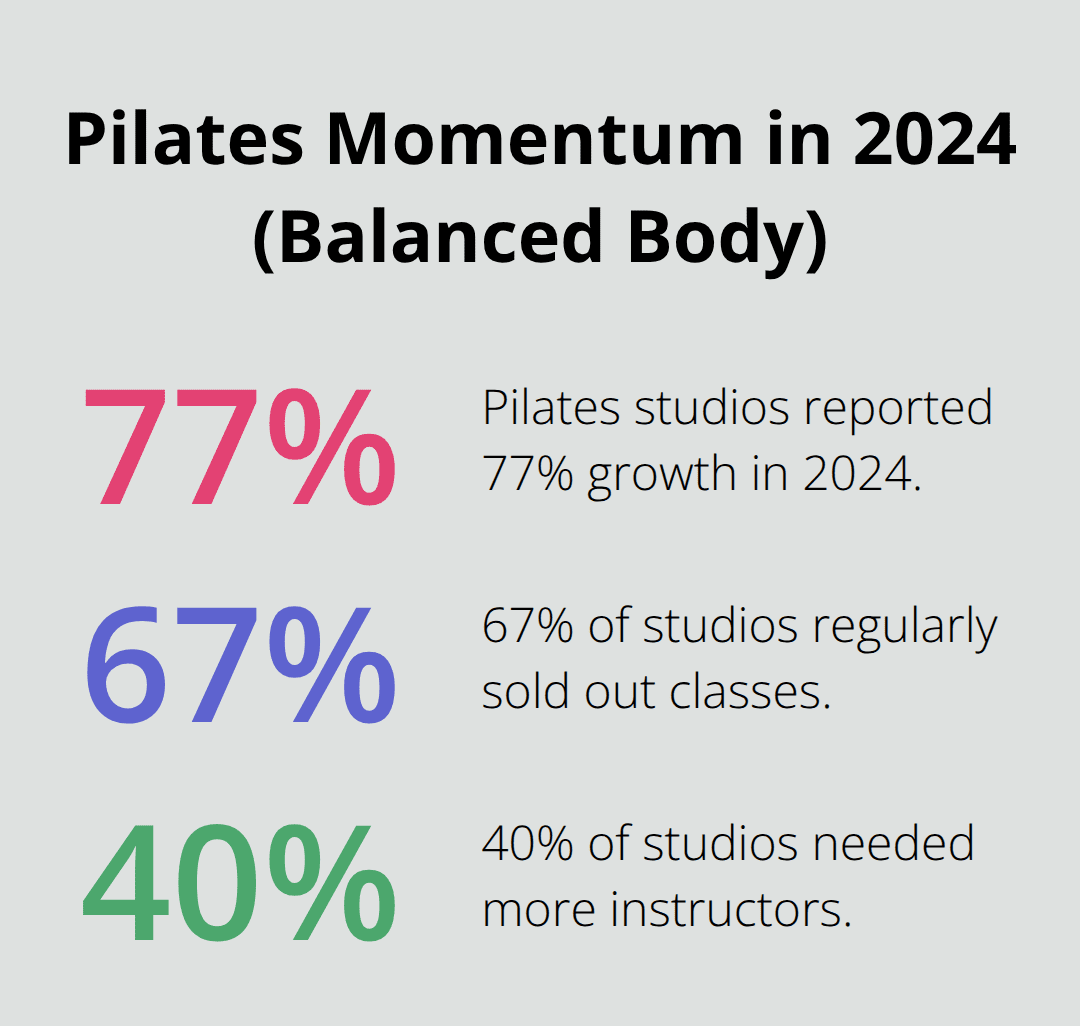
Strength training has stopped being about looking a certain way and started being about what your body can do. Women now lift heavier weights, prioritize functional movements that translate to real life, and reject the idea that cardio alone builds the fitness they need. Pilates studios reported 77 percent growth in 2024, with 67 percent regularly selling out classes according to Balanced Body data, and instructors are in such high demand that 40 percent of studios need more staff.
This shift matters because strength training directly supports bone density, prevents falls as you age, and builds the metabolic resilience that protects against chronic disease.
Heavy resistance training, not light weights, drives metabolic health and bone density. The American Heart Association recommends 150 minutes of moderate-intensity activity weekly, but for women over 40, the resistance training component is where the real protection against aging happens. Programs designed around functional fitness emphasize multi-joint movements like squats, deadlifts, and loaded carries that work your entire body in patterns you actually use. Small-group classes lasting 30 minutes deliver personalized form corrections while keeping costs lower than one-on-one training, and the social accountability keeps you showing up when motivation dips.
Low-Impact Work Prevents Burnout and Injury
High-intensity training every single week leads to burnout and injury, not better results. Barre, yoga, and mobility-focused sessions complement strength work by improving flexibility, reducing injury risk, and managing the nervous system stress that constant intensity creates. Sustainable weight loss also depends on eating habits and a healthy eating pattern, not just workouts. Programs like Pvolve focus on low-impact full-body mobility and functional movements with cardio bursts, recognizing that sustainable fitness means protecting your joints while building real strength.
For many women, weight loss programs work better when lower-impact training is paired with hormone-conscious nutrition, such as a Mediterranean diet approach built around whole foods, lean proteins, legumes, and healthy fats. The Mayo Clinic Diet similarly emphasizes habit changes, while mindful eating can support sustainable habits, reduce burnout, and improve your relationship with food.
Recovery and stress management embedded into weekly plans directly support mental health and prevent the burnout that kills long-term adherence. Wearables tracking heart-rate variability, sleep, and cycle data help you understand when your body is ready for hard sessions versus when it needs gentler work. This personalization through technology means your Tuesday workout doesn’t look like your Thursday workout because your hormonal and recovery status has changed.
Hybrid Programs Solve the Scheduling Problem
Rigid schedules make consistency impossible for most women. Hybrid programs that blend in-studio classes with at-home options solve this real problem by letting you attend in person when your schedule allows and train at home when life gets chaotic. A program offering both studio classes and virtual sessions removes the excuse that fitness requires perfect conditions.
The fitness industry in 2025 has finally stopped treating women’s bodies as smaller versions of men’s bodies and started building programs around the reality that hormones, life stage, and individual capacity demand different approaches on different days. This foundation of personalized, sustainable training sets the stage for choosing a program that actually matches your lifestyle and goals.
How to Choose the Right Fitness Program for Your Lifestyle
Assess Your Current Fitness Level and Goals
Start with an honest evaluation of what you can actually commit to so you can build a personalized plan, not what you think you should do. If you have 45 minutes three times weekly, a program requiring six sessions per week will fail before it starts. The right approach should also fit your physiology, schedule, and preferred weight loss methods. Write down your current fitness level-are you returning after years away, maintaining baseline activity, or already training regularly-because this determines whether you need beginner progressions or advanced variations. Your goals matter equally, whether you’re focused on body weight, reaching a healthy weight, or broader fat loss. Women training for bone density need consistent resistance work, while women managing stress through movement might prioritize flexibility and mobility, especially when paired with a complete female health check focused on prevention and early detection. The World Health Organization recommends at least 150 minutes of moderate-intensity physical activity throughout the week, or at least 75 minutes of vigorous-intensity physical activity, plus muscle-strengthening twice weekly, but your specific goal shapes which of those minutes matter most. In most cases, pairing physical activity with an eating plan works better than relying on either alone.
Account for Life Stage and Schedule Realities
Your schedule determines whether you’ll actually show up. If your schedule shifts unpredictably, hybrid programs offering both studio and at-home options eliminate the excuse that life got in the way. Women in perimenopause or menopause need programs addressing joint pain, muscle loss, and cardiovascular health directly-these become non-negotiable rather than optional add-ons, and some online weight loss programs, such as Reverse Health, are designed specifically for women over 40 and can fit a busy weight loss journey, much like broader guidance on how to maintain your health as a female in your 30s encourages tailoring habits to each life decade. Optional coaching tailored for women over 40, along with regular progress check-ins with a health coach, can improve adherence at this life stage, and Reverse Health earned a 5 out of 5 rating for user experience, which also matters when schedules are packed. Hybrid models let you attend in person when your schedule allows and train at home when life gets chaotic, removing the barrier that rigid class times create for most women.
Evaluate Program Cost and True Accessibility
Cost determines whether you’ll stick with a program past month two. Compared with studio memberships, a weight loss app is usually the most accessible entry point, while commercial weight loss programs and medically supported care often cost more but include broader support, similar to how direct primary care pricing offers transparent, membership-based access to medical care. At-home apps range from 10 to 20 dollars monthly, making them accessible when studio costs feel prohibitive. A free weight loss program or lower-cost app can be a smart starting point if it still includes food tracking or food and activity tracking.
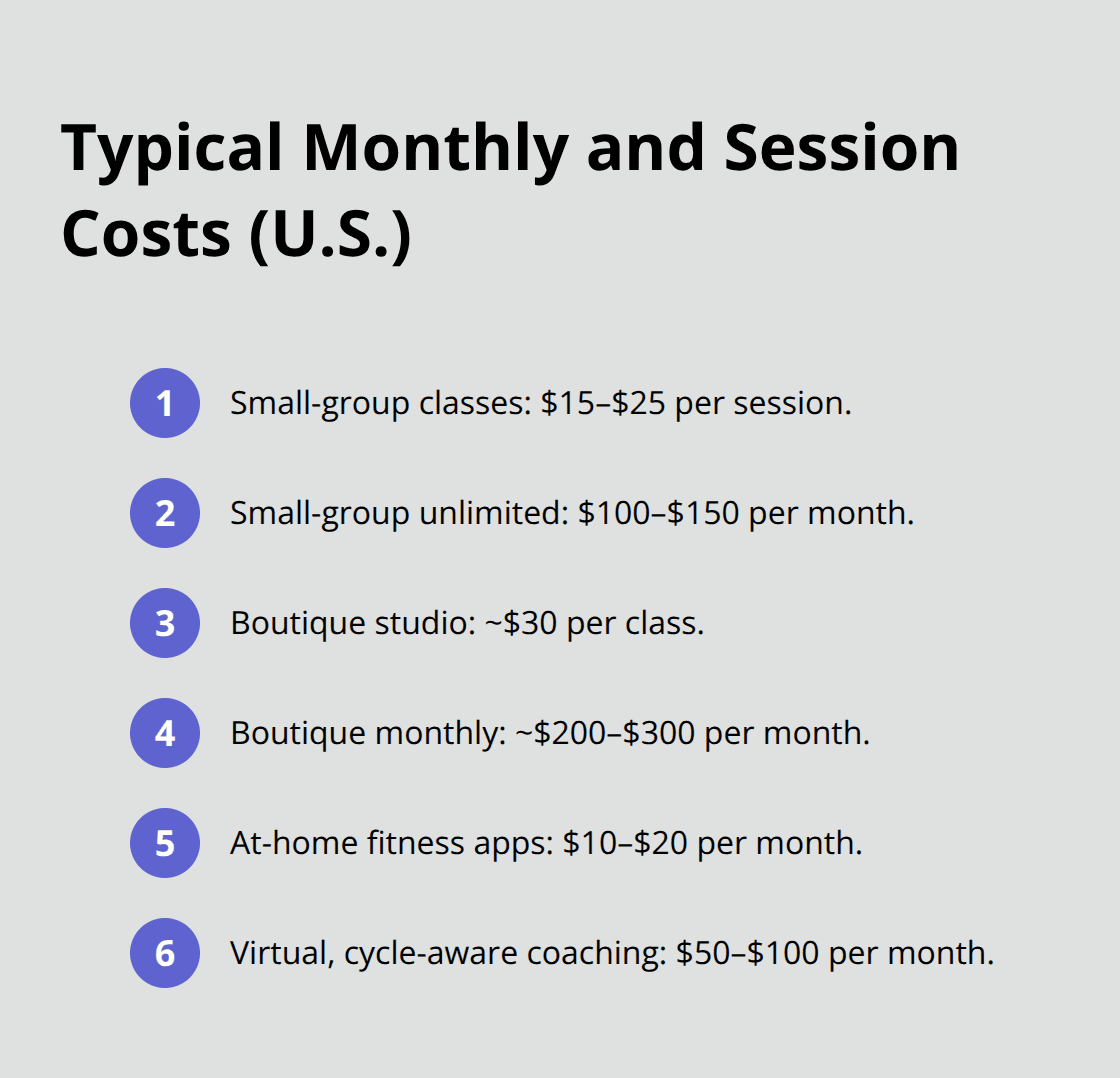
Virtual training through platforms offering cycle-aware or hormone-informed coaching runs 50 to 100 dollars monthly. The cheapest option isn’t always the best-a 10 dollar monthly app you never open wastes money-but the most expensive program means nothing if you quit after three months due to financial strain. Costs also rise when a plan includes medical supervision, obesity medicine expertise, or access to weight loss medications such as glp 1 medications, which may be worth it for some women depending on body mass index and health history, especially when combined with an integrative medicine clinic approach that addresses root causes and lifestyle.
Evaluate accessibility honestly: can you get to the studio location during offered class times, or does commute time eliminate the option? Does the program offer modifications for your current fitness level, or will you spend sessions feeling lost? Compare program focuses before joining, including whether you want meal plans, meal delivery, one-on-one coaching, calorie counting, or simpler support tools. Search for programs offering free trial classes or introductory weeks before committing money. The Mayo Clinic Diet program offers eight different meal plans, including Mediterranean and vegetarian options, to help build weeks of balanced meals. Noom includes built-in coaching plus health-conscious recipes without a fixed plan, and one tester reported losing nearly 70 pounds in nine months. Weight Watchers includes a personalized Points budget, access to over 13,000 healthy recipes, meetings, and individual nutrition coaching. Found offers one-on-one coaching for personalized weight loss support. This prevents wasting funds on programs that don’t match your actual needs once you experience them firsthand rather than reading descriptions online.
Final Thoughts
Women’s fitness programs 2025 offer real choices that didn’t exist five years ago. You can choose strength-focused training that builds bone density and metabolic resilience, low-impact work that protects your joints while improving flexibility, or hybrid programs that blend studio energy with at-home convenience. Some plans also lean on intermittent fasting or a low carbohydrate diet, but those approaches still need realistic structure and clinician oversight. The program that works best is the one you’ll actually do, which means matching your schedule, budget, and life stage matters more than chasing the trendiest option.
Consistency beats perfection every single time. Missing one workout won’t derail your progress, but showing up imperfectly three times weekly for months will transform your results. A program you can sustain for years supports sustainable weight loss, helps reduce weight regain, and works better when it respects your personal food preferences, which is why choosing something realistic for your actual life matters so much.
If you’re unsure where to start or want personalized guidance on building a fitness plan that accounts for your health history and goals, Mosaic Medicine Clinic offers comprehensive primary care and preventative medicine designed around your actual needs within a direct primary care model that emphasizes access and relationship-based care. Our direct primary care model means unrushed appointments and real conversations about what fitness approach makes sense for your body and life. Starting a fitness program becomes easier when you have medical support backing your decisions.