
Why Low-Quality Testosterone Products Are a Problem
If you’ve been feeling run down, noticing increased body fat, or dealing with low libido, you may have started researching testosterone replacement therapy. The problem is that the market is flooded with over-the-counter “testosterone boosters” and discount testosterone treatments that use cheap, under-dosed, or outright unsafe ingredients. Low-quality testosterone replacement therapy products pose significant health risks, and most operate with minimal medical oversight – yet they’re marketed as though they’re the real thing.
This article is for men, typically age 30 to 65, who are considering testosterone treatment and want to understand what separates a safe, effective therapy from a product that could quietly harm their health. Common symptoms of low testosterone include fatigue, low libido, erectile dysfunction, loss of muscle mass, irritability, and depression – and a testosterone level below 300 ng/dL is generally considered low.
At Mosaic Medicine in Bradenton, Florida, we provide physician-guided, prescription testosterone therapy with pharmaceutical-grade medication shipped directly to your home via telehealth. Our focus here is straightforward: how low quality TRT differs from medical testosterone treatment, what ingredients to watch for (from low-end to high quality), and the real health risks of cutting corners with your hormones.

TRT vs. Over-the-Counter “Testosterone Boosters”
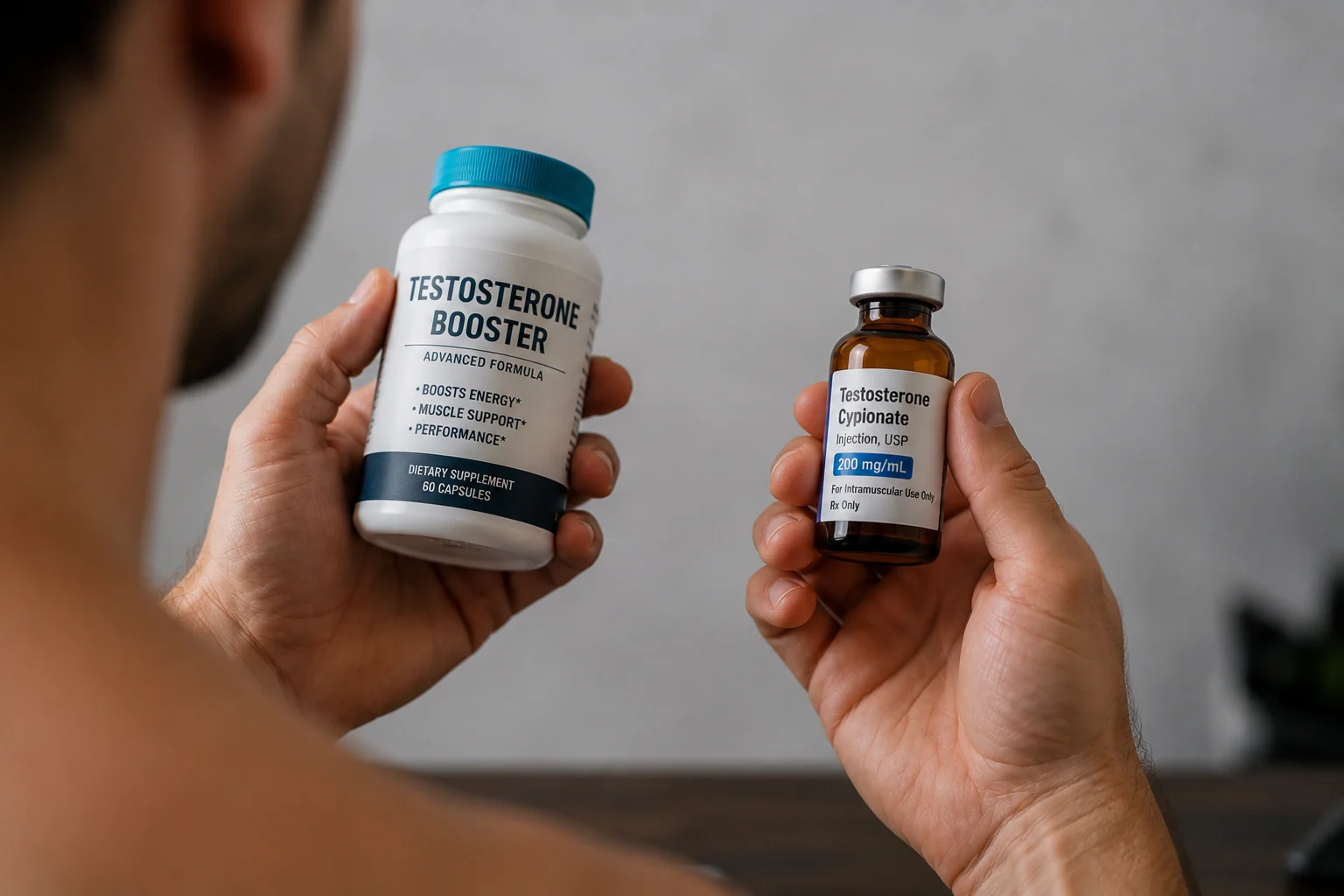
There’s a meaningful difference between evidence-based hormone replacement therapy prescribed by a doctor and a pill you grab from a gas station shelf or find through a social media ad. Medical TRT uses physician-prescribed testosterone – such as testosterone cypionate, testosterone enanthate, or FDA-approved topical gels – dosed to correct a documented low testosterone level confirmed by a blood test.
Most OTC “boosters” contain no testosterone at all. Instead, they rely on herbs, stimulants, and minerals with inconsistent or weak clinical research behind them. A descriptive study of 50 OTC testosterone boosters found that roughly 90% claimed to raise testosterone levels, yet only about 10–12% had even one or two supporting human trials.
Low quality TRT can also mean non-pharmacy compounded testosterone from unverified sources, self-injected black-market testosterone, or “clinic” programs that skip lab work entirely. Legitimate TRT uses FDA-approved products sourced from licensed pharmacies, and high-quality TRT is characterized by personalized, medically supervised care. Testosterone replacement therapy can be administered via injections or gels, and at Mosaic Medicine, every treatment plan includes baseline and follow-up labs, symptom tracking, and dose adjustments by a licensed healthcare provider.
Red Flags of Low-Quality TRT and Testosterone Supplements
The packaging can look impressive, but several patterns reliably signal a low quality product. Before spending your money – or risking your health – watch for these:
- No requirement for a blood test or lab work before purchase
- No mention of total or free testosterone levels or what normal levels look like
- Promises of “instant muscle mass” or “20 years younger in 2 weeks”
- Proprietary blends that don’t disclose exact milligrams of each ingredient – labels like “maximum test matrix” or “androgenic surge complex” that never define target testosterone level ranges (e.g., 300–900 ng/dL)
- Products sold primarily on social media without a real clinic address or named healthcare provider
- No follow-up plan, no mention of monitoring, no diagnosis required
Reputable TRT always involves a provider visit (in person or telehealth), a lab-confirmed diagnosis of hypogonadism or low t, and clear, trackable dosing. High-quality TRT involves careful evaluation of symptoms and lab results before any treatment begins. TRT telehealth options for legitimate care are now available in all 50 states, so geography is rarely a barrier to doing this the right way.

Low-End Ingredients: What to Avoid in Testosterone Products
“Low-end” refers to ingredients that are either unsafe, irrelevant to hormone balance, or commonly abused in cheap testosterone boosters. These are the ones most likely to cause real harm, and they show up more often than you’d expect.
- Harsh stimulants (high-dose caffeine, synephrine, yohimbine): These spike heart rate and high blood pressure while doing essentially nothing for testosterone. They increase risk of arrhythmias, anxiety, and insomnia – which can paradoxically worsen low testosterone levels over time. If you’re curious about the connection between sleep and testosterone, poor sleep is a well-documented contributor to hormonal decline.
- Prohormones and designer steroids: Sometimes hidden in unregulated supplements, these can shut down the pituitary gland’s signaling to the testicles, suppress natural testosterone production, and damage the liver. The FDA documented over 35 serious liver injury cases between 2009 and 2016 tied to bodybuilding and “testosterone-boosting” products containing hidden steroids.
- Heavy metals and contaminants: Poorly regulated imports have been found to contain lead, mercury, or arsenic. FDA warnings on tainted sexual-enhancement products have been issued repeatedly over the past decade.
- Inflammatory seed oils: Many low-quality clinics use inflammatory seed oils like cottonseed and grapeseed oils as carriers in their testosterone injections, while some pharmacies use sesame seed oil. These seed oils are known to promote inflammation in the body, which can counteract the benefits of hormone therapy and contribute to discomfort at the injection site. In contrast, at Mosaic Medicine, we use a superior carrier oil—MCT (medium-chain triglyceride) oil. MCT oil is thinner, easier to inject, and does not cause inflammation, providing a safer and more comfortable TRT experience.
Oral testosterone or synthetic compounds found in these products can cause liver damage. Low-quality TRT products often lack sterility, potentially leading to contamination, and injection of low-quality testosterone from unverified sources can cause severe tissue necrosis or scarring. Some formulations combine multiple stimulants and diuretics, leading to dehydration, mood changes, and sleep disruption – all of which mimic or worsen symptoms of low testosterone, especially when men ignore natural strategies to support testosterone like sleep, training, and nutrition.
Mid-Tier Ingredients: Common but Overhyped Testosterone “Boosters”
Many “natural testosterone boosters” use mid-tier ingredients that aren’t inherently dangerous but are often overdosed, under-dosed, or oversold. Here’s what the research actually shows:
- Tribulus terrestris: Widely marketed, but human data for raising testosterone levels is inconsistent. It may support libido more than actual hormone change.
- D-aspartic acid (DAA): An early study by Topo et al. found a ~42% testosterone increase in untrained men over 12 days. But later trials in resistance-trained men showed mixed or even negative results – one study found that 6g/day of DAA for 14 days actually decreased both total and free testosterone.
- Fenugreek extract: Modest evidence for libido and body composition, but effects on testosterone are generally small and not comparable to prescription androgen replacement.
- Maca root: Can improve perceived energy and sexual desire, but does not reliably change blood testosterone levels.
- Generic zinc and magnesium blends: Helpful only when there’s a documented deficiency – a healthy diet usually provides adequate amounts. Mega-dosing can cause nausea, diarrhea, or mineral imbalance.
Testosterone levels decline about 1% per year after age 30, and mid-tier supplements simply cannot reverse that trajectory in a clinically meaningful way. These ingredients are not a substitute for proper diagnosis of male hypogonadism and can delay men from getting the testosterone therapy they actually need. For a broader look at men’s health and testosterone treatment options, lab-guided care still matters more than any over-the-counter pill. If you’re wondering whether your mood and motivation may be affected, that’s worth exploring with lab work, not a pill.
Higher-Quality Support Ingredients: When “Natural” Actually Helps
Some non-hormonal ingredients can meaningfully support men’s health alongside medical TRT, especially for stress, sleep, and metabolic function. Testosterone therapy can improve sexual function in some men, and the right adjunctive support can enhance those benefits when it’s paired with evidence-based self-care strategies.
- Ashwagandha (KSM-66 or Sensoril-standardized extracts): Studies from 2012–2020 suggest support for stress reduction, sleep quality, and modest testosterone improvements in stressed or subfertile men.
- Vitamin D3: Many men in the U.S. test low. Repletion supports bone density, hormone balance, and energy – but should be dosed based on blood levels, not guesswork. Learn more about how vitamin D impacts men’s health.
- Omega-3 fatty acids (EPA/DHA): Support cardiovascular health and inflammation balance – a meaningful complement to TRT in reducing cardiometabolic risk.
- Magnesium and zinc at physiologic doses: Appropriate when lab testing confirms a deficiency, not as blind high-dose “test boosters.”
Even “good” ingredients become low quality when sourced from unverified suppliers, used at non-clinical doses (too low to work or high enough to cause skin reactions and GI upset), or combined without any lab monitoring or medical oversight. At Mosaic Medicine, we can recommend evidence-based supplements as an adjunct to TRT – but never as a replacement for properly diagnosing and treating low testosterone.
Prescription TRT: Pharmaceutical-Grade Testosterone and Safety Standards
Pharmaceutical-grade testosterone used in modern TRT includes testosterone cypionate or enanthate injections and FDA-approved transdermal preparations like a skin patch or gel. Here’s what separates high-quality prescription TRT from everything else:
- Medication produced in FDA-regulated or 503B/503A-compliant U.S. pharmacies
- Lot-tracked, sterile injectable testosterone with verified potency and stability
- Clear dosing schedules (e.g., 80–120 mg testosterone cypionate weekly for typical starting regimens, adjusted individually)
Mosaic Medicine uses licensed compounding and partner pharmacies that provide documentation of sterility testing, potency verification, and absence of contaminants. Prescriptions are individualized to your lab results and symptoms – not “one dose fits all” vials from a generic kit. High-quality TRT requires thorough initial testing and ongoing monitoring, and follow-up monitoring is critical to ensure safety throughout your treatment. If you’re comparing options, the same principles that define a reputable testosterone optimization clinic in Florida apply here: transparent pricing, individualized care, and long-term safety. Membership at The HRT Club costs $12 per month, members save hundreds on testosterone treatments annually, and free shipping is offered on orders over $50. These cost structures make quality, monitored TRT accessible without compromising standards.

Health Risks of Poor-Quality TRT and Unsupervised Testosterone Use
The main danger of low quality TRT isn’t just wasted money – it’s the potential to harm your heart, liver, fertility, and mental health. Testosterone therapy may increase the risk of heart disease when used without monitoring, and incorrect doses of TRT can lead to cardiovascular complications including increased heart risks.
- Cardiovascular strain: Unmonitored testosterone use can lead to increased red blood cell count (elevated hematocrit), thickening the bloodstream and raising the risk of blood clots, pulmonary embolism, or heart attack. Research into prostate specific antigen changes and heart disease risk underscores why regular tests matter.
- Liver toxicity: Oral designer steroids and tainted supplements can elevate liver enzymes and, in severe cases, cause acute liver injury requiring hospitalization.
- Fertility suppression: Unregulated products increase the risk of infertility and gynecomastia. High or unregulated doses can shut down sperm production in the testicles – men considering TRT must discuss potential fertility impacts with their provider.
- Hormone imbalance: Low-quality TRT may cause hormonal imbalance and endocrine disruption. Excess testosterone can convert to estrogen, potentially triggering breast tissue changes (a concern distinct from breast cancer, but still requiring attention), water retention, and mood swings. Compromised quality can result in unpredictable hormone spikes, and improper dosages can result in severe mood swings and behavioral changes.
- Undiagnosed medical conditions: Men with untreated sleep apnea, prostate cancer risk factors, or underlying cause cardiovascular disease can have worsened outcomes without proper screening. Older men especially benefit from comprehensive evaluation. Even fewer spontaneous erections and changes in body hair patterns warrant investigation by a doctor, not self-medication.
At Mosaic Medicine, we routinely check total and free testosterone, estradiol, hematocrit, PSA, lipids, and other treatments as indicated – because testosterone therapy is a medical treatment, not a casual supplement regimen. Testosterone use without this level of oversight puts your body at unnecessary risk, which is why having access to a medical clinic offering same-day appointments for urgent concerns and follow-up can be so valuable.
Mosaic Medicine’s Approach to High-Quality TRT and Health Optimization
Mosaic Medicine is a Direct Primary Care and functional medicine clinic in Bradenton, Florida, offering telehealth TRT where legally permitted. We believe that high-quality TRT focuses on improving patient symptoms rather than just chasing a number on a lab report. Our broader health tips and wellness resources reflect that same focus on practical, evidence-based care. A testosterone level below 300 ng/dL is considered low, but your person-al experience – your energy, your mood, your libido, your ability to maintain muscle mass and stay engaged with life – matters just as much as the number.
Our standards for testosterone treatment include:
- Comprehensive evaluation: Detailed history, assessment of health conditions and medical conditions including losing weight challenges, baseline lab panel, and review of any other medical conditions or medication use – including screening for prostate concerns, depression, and menopause-related hormonal shifts in partners when relevant to family health planning, with referrals to specialized women’s health and hormone care when appropriate.
- Personalized plan: Selection of delivery method (injections, topical options) tailored to your lifestyle, travel schedule, and preferences. We don’t use mystery blends, imported vials, or unverified “test boosters” as primary therapy.
- Ongoing monitoring: Scheduled follow-up visits, repeat labs after dose changes (typically 6–12 weeks), and adjustment based on both objective testosterone levels and how you actually feel. Legally prescribed TRT is monitored to manage potential side effects, and we take that responsibility seriously.
We also offer services that support whole-person health optimization alongside TRT: medical weight loss programs, IV nutrient therapy, men’s hormone optimization, and executive healthcare memberships with same-day and next-day access, as well as executive women’s hormone optimization and female hormone therapy in Bradenton – all built around a membership fee model that prioritizes your wellness journey over insurance-driven volume.
If you want to stop TRT down the road, we’ll guide that transition with the same level of care. And if you’re not sure whether TRT is right for you, that conversation is exactly where we start. Take our Low Testosterone Quiz or schedule a telehealth consultation to review your testosterone levels, your symptoms, and whether a personalized treatment plan aligns with your long-term health goals. Your health deserves more than a mystery blend in a flashy bottle – it deserves a real plan built around you.